

Returning to Regent’s Park in London from October 14 to 18, 2026, Frieze Masters prepares to bring together human creativity spanning thousands of years and rare objects under one roof. Bringing together over 140 galleries from 30 countries, the fair transforms details left on dusty history pages, forgotten masteries, and intercultural dialogue into living visual experiences. Spanning from ancient civilizations to Renaissance cabinets of curiosities, and Eastern mysticism to 20th-century modernism, this selection features objects that transcend the boundaries of time and material.
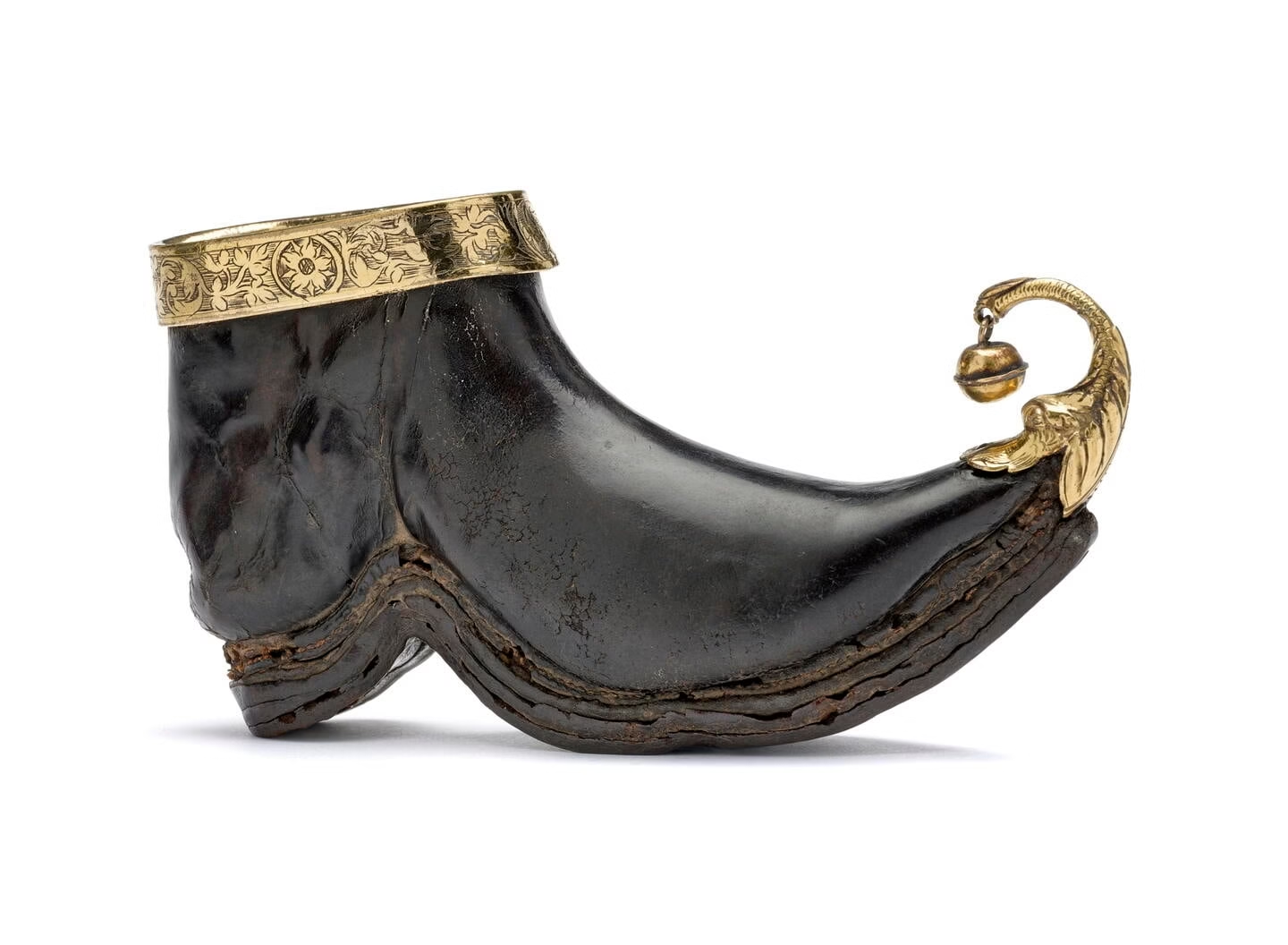
One of the presentations at the fair conveying the spirit of the historic cabinet of curiosities (Kunstkammer) belongs to Kunstkammer Georg Laue. Produced in Southern Germany and dating to 1567, an exceptionally rare leather and gilded copper goblet in the shape of a Gothic shoe carries the extraordinary aesthetic used in wedding ceremonies of the period to the present day. Following the traces of body and faith, we encounter the monumental bust of the Egyptian goddess Sekhmet, placed at the center of ArtAncient gallery’s presentation. Dating back approximately 3,400 years to the reign of Pharaoh Amenhotep III, traces of red pigment can still be read in the eyes of this granodiorite sculpture. Navigating the depths of Eastern mysticism, Carlton Rochell Asian Art presents the Cosmic Buddha (Vairocana) at the center of the universe in the focus of hundreds of small figures in a 14th-century Tibetan Thangka painting, while a sacred Pichvai painting dated 1850 presented by Prahlad Bubbar features the divine love of Krishna and Radha among peacocks and lotuses.
Turning to the language of textiles and master weavers, the transparent white unicorn figure hidden in Gallery Moshe Tabibnia’s 17th-century Northern German tapestry offers a world woven of purity and mythological narratives. Meanwhile, the four-panel Late Ming dynasty silk embroidery panels exhibited by Jacqueline Simcox represent a craft heritage shaped by hand-dyeing threads obtained from silkworm cocoons, matching examples in the National Palace Museum in Taipei. Illustrating the intersection of East and West on material, a 19th-century wooden model of Delhi’s Qutb Minar stands in the Mohtashemi gallery, while a playful Iznik ceramic plate adorned with deer, owl, and rabbit figures from the second half of the 16th century of the Ottoman Empire shines at the Kent Antiques booth.
Confronting classical antiquity with 20th-century modernism, Galerie Chenel places Pablo Picasso’s Tête de Faune terracotta plate, produced in Madoura in 1947, alongside Roman-era marble sculptures, recalling the artist’s passion for ancient mythology. In Thomsen Gallery’s selection brought from Japan’s Taisho and Showa periods, a flower basket crafted by Maeda Chikubōsai I in the 1920s by weaving antique arrow shafts with bamboo and rattan demonstrates how traditional techniques push design boundaries. Meanwhile, the monumental hippopotamus sculpture carved from dark green jade from the Late Ming / Early Qing period, placed at the center of Rasti Fine Art’s booth, along with Qianlong period mountain-form rocks, emphasizes the unshakeable place of nature, stone, and cosmic symbolism in Chinese culture.
Taking place in Regent’s Park in mid-October, this gathering shows that history is not merely a past sitting in museum display cases, but a living memory constantly rediscovered today through new research and visual encounters.