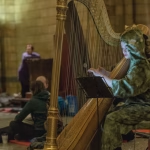


Music Discovery of the Day: A Timeless Interpretation of “Lilac Wine” from Arooj Aftab and Beck


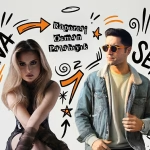
When you listen to Arooj Aftab and Beck’s interpretation of “Lilac Wine” for the first time, what greets you is not a flashy chorus or a grand musical explosion. The song does not reveal itself immediately; instead of instantly filling the room, it creates an atmosphere expanding with tranquility. Conscious pauses between the vocals, combined with the delicate touches of guitar and keyboard, yield an almost dreamlike setting.
Sitting as the sixth track on the HELP(2) album released by War Child Records, this recording carries the direct purpose of supporting children affected by war. All proceeds from the album are directed to War Child’s field operations. When this humanitarian foundation meets the song’s introverted and melancholic nature, it leaves the listener in the middle of a personal vulnerability while making them part of a meaningful solidarity.
The Story of “Lilac Wine” and Its Journey Through the Years
Written and composed by James Shelton, “Lilac Wine” transformed over time into a timeless classic passed through the emotional filters of musicians across generations. Nina Simone’s deep, dramatic, and theatrical interpretation, along with Jeff Buckley’s fragile recording on his Grace album, stand among the song’s most famous versions etched into music history.
While Simone carried the sadness in the song with a dark and heavy tone, Buckley redefined the track with the famous cracks in his voice and fluctuating emotional timbre. Arooj Aftab and Beck, however, do not attempt to imitate this legacy. Rather than copying iconic past renditions, their recording carries that intoxicating state of love at the piece’s core into a calmer, contemporary, and serene sonic world.
Depth in Arooj Aftab’s Vocals
The first element catching attention in Arooj Aftab’s vocals is a deliberate unhurriedness. She carries no anxiety to resolve every line immediately; by retreating her voice down to a whisper at times and expanding it gently at others, she enlarges the song’s emotional domain. This vocal attitude aligns perfectly with the feeling of intoxication and ambiguity in “Lilac Wine.”
In Aftab’s interpretation, the narrator does not give the impression of someone analyzing the emotion from the outside, but rather someone completely lost within that feeling. While where the relationship is heading or who is right remains uncertain, the magic of the song resides precisely in this vagueness. The silences Aftab places between phrases leave a wide space for listeners to deposit their own feelings.
Beck’s Invisible Yet Decisive Production
Beck’s presence in this recording is far from dominating the song with his personal style. Playing guitar and keyboard alongside vocals, taking on production, and sitting at the mixing board, Beck establishes a balanced space alongside Aftab. Shaped by Jason Falkner’s contributions on guitars, bass, drums, and piano, this arrangement prevents sounds from overpowering one another.
Rather than suffocating emotion under layers, the production chooses to retreat at the right moment. While Arooj Aftab’s voice floats in the foreground, Beck’s arrangement acts like an invisible hand adjusting the ambient light.
Position on the HELP(2) Album
HELP(2) serves as the contemporary continuation of War Child Records’ legendary 1995 HELP project. Bringing together names such as Arctic Monkeys, Olivia Rodrigo, Beth Gibbons, Depeche Mode, Damon Albarn, Arlo Parks, Pulp, Sampha, Fontaines D.C., and Wet Leg, the album transforms the listening economy of music directly into humanitarian aid.
“Lilac Wine” functions as a serene stop slowing down the listener within this dense and dynamic selection. Within the political and social framework of the album, it offers the listener an opportunity to return to their inner world for a moment.
Frequently Asked Questions
Who wrote the song “Lilac Wine”? The music and lyrics of the song belong to James Shelton.
Where is Arooj Aftab and Beck’s interpretation of “Lilac Wine” featured? The recording is included on the benefit album HELP(2) compiled by War Child Records.
Who has performed the song before? The most well-known renditions belong to Nina Simone and Jeff Buckley. The 2026 version by Arooj Aftab and Beck brings a minimalist and modern interpretation to the piece.
Where are the proceeds from this recording directed? All streaming and sales proceeds from the HELP(2) album are used for the protection and education of children in war zones through the War Child foundation.