

As the nineteenth century drew to a close, a quiet yet seismic proposition took root across Parisian art circles: stripped of its grand narratives, painting was, at its core, nothing more than pigment meeting canvas. This austere realization, unburdening the medium from its historical freight, became in André Derain’s hands the spark that ignited the tempest of Fauvism. The sheer audacity of detonating the conventional palette set in motion a tidal wave that would sweep through the European avant-garde for decades to come.
Yet Derain had no appetite for spending a lifetime merely dismantling rules. By the time the Cubists set about abrading and splintering form across the canvas, he was already pursuing the reconstruction of that primal, archaic image painting had forsaken. Rather than severing ties with tradition, he chose to cultivate a more mature dialogue with the accumulated weight of the past. In Derain’s hands, the monumental lineage of French painting emerged not as a conservative retreat into pastiche, but as a living, molting form—continually mutating and vibrantly alive.
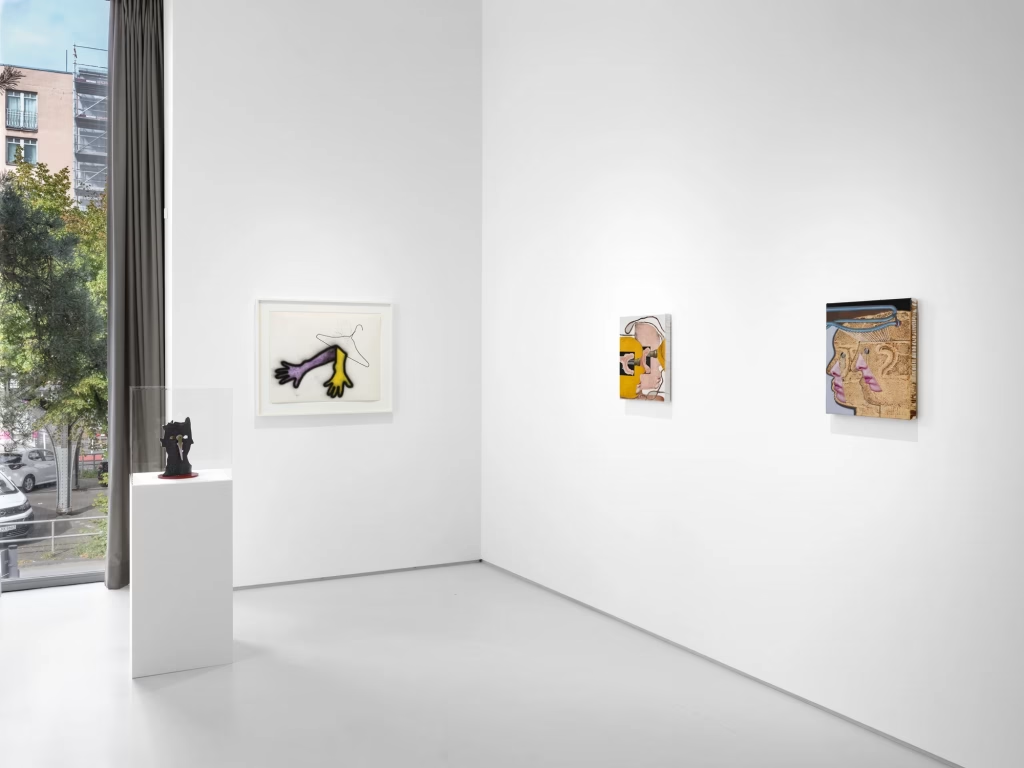
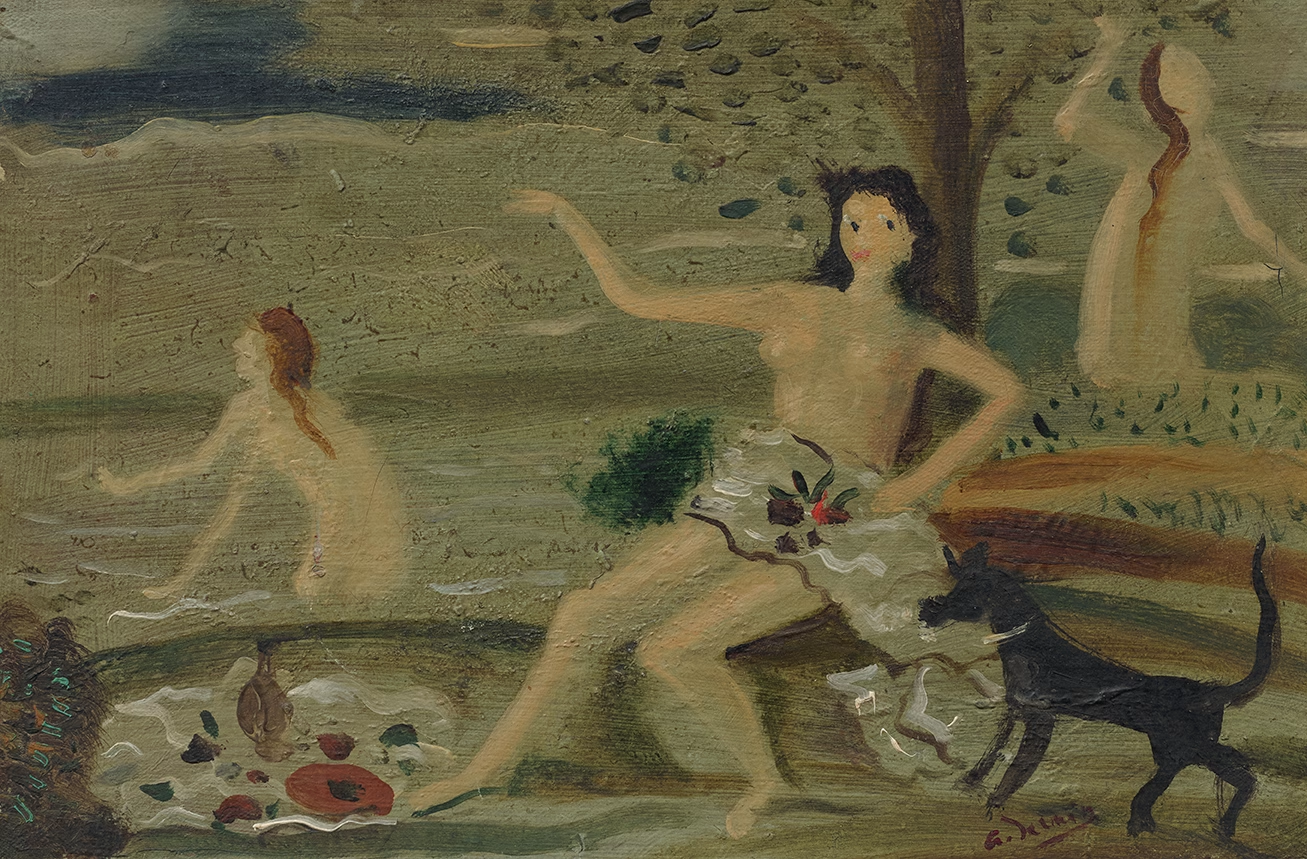
Galerie Michael Werner Berlin’s exhibition Modell für Malerei focuses squarely on this pursuit by the painter-sculptor. Comprising nudes, shadowed portraits, and still lifes steeped in the quietude of the studio—all produced against the turbulent backdrop of the 1940s—the presentation brings into sharp relief the equilibrium the artist struck as he moved beyond youthful insurrection toward the enduring depths of the classical.
The accompanying exhibition catalogue features critical essays by Mėta Valiušaitytė and Danièle Cohn alongside historical reflections by Alberto Giacometti, a close friend whose own formal language was profoundly shaped by Derain’s vision.