

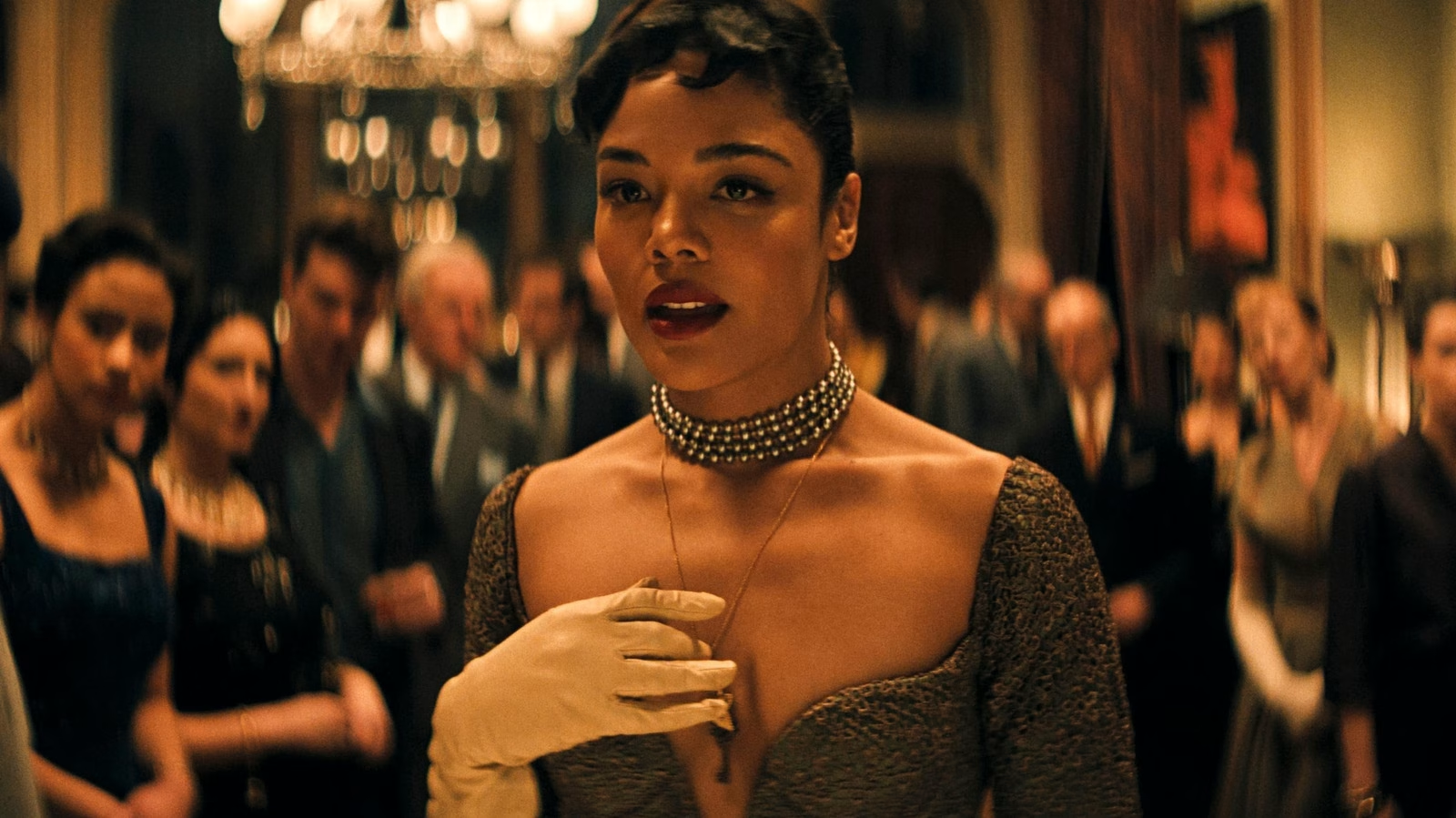
Hedda transforms Ibsen’s theatrical classic into a feverish dream of decadence and despair. Director Nia DaCosta heightens the tension by moving all the drama—most of which occurs offstage in Ibsen’s play—into a lavish Gatsby-esque mansion of wealth. The film turns the claustrophobia of house arrest into a volatile spectacle where class tensions, queerness, and rebellion collide beneath a post-war mask of respectability.
At the center is Hedda, played by Tessa Thompson—a woman terrified of easily submitting to the comfortable life marriage offers. As a Black woman, Hedda oscillates between her compliant husband George (Tom Bateman, whom she married only for comfort) and her former lover Eileen Lovborg (Nina Hoss). Changing the gender of the character Ibsen originally envisioned as male allows for a deeper, more thoughtful exploration of women who refuse to fulfill traditional gender expectations.
The Illusion of Progress and Silent Rage
While Hedda throws lavish parties to mask her boredom, she is fully aware she lives inside a lie. The film starkly highlights the opposition Hedda faces as a Black woman, burning through the illusion that progress merely disguises itself as modernity. DaCosta’s lens emphasizes that even in the 1950s, social position and race meant progress was not “better” for everyone. Shooting in real locations like Flintham Hall Manor reminds viewers that the patriarchal cages surrounding these institutions have existed even longer than Ibsen’s work.
The film is a mesmerizing character study of Hedda devouring others to fill her inner void. Hedda delivers an emotional intensity to the audience, intertwining reflections on identity, race, and privilege in the middle of a party. The finale gives new meaning to the line: “Knowing that a premeditated act of courage is still possible, despite everything, is a liberation.”
This film is a scorching experience that takes an artistic classic and transforms it into a modern discourse on identity, race, and privilege.
Film Summary
Director/Screenwriter: Nia DaCosta
Cast: Tessa Thompson (Hedda), Tom Bateman, Nina Hoss, Joe Alwyn, Andrew Lincoln
Platform: Streaming on Prime Video.