

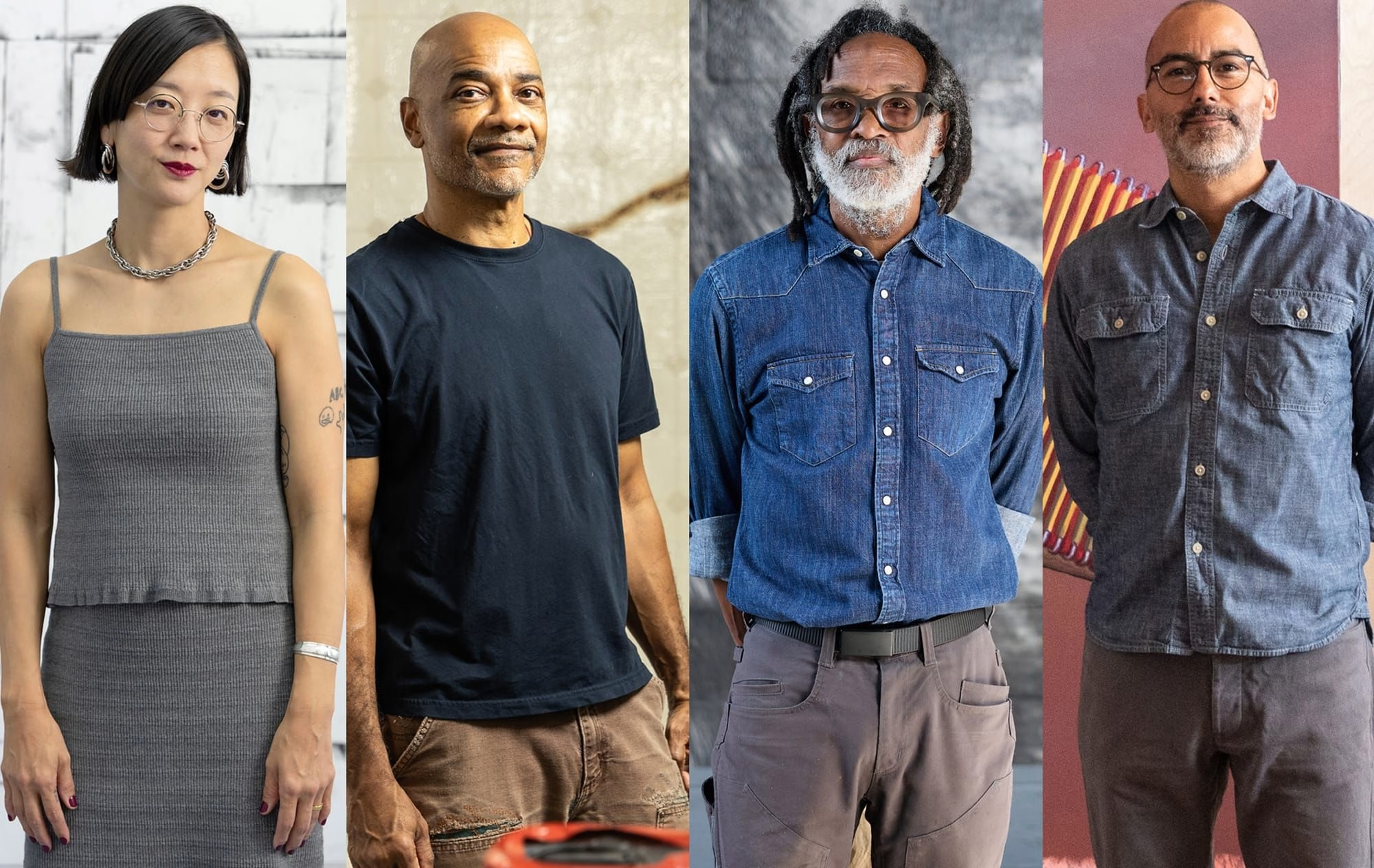
The John D. and Catherine T. MacArthur Foundation has announced the 2026 recipients of its prestigious fellowship—a coveted annual benchmark across the arts, humanities, and sciences. Awarded with no strings attached as an $800,000 stipend distributed in quarterly installments over five years, the grant provides crucial runway for 20 fellows pushing the boundaries of creative and intellectual life. Selected through an independent nomination and review process, this year’s cohort is anchored by four visual artists whose practices interrogate collective memory, social justice, and the politics of communication.
The Poetics of Sound and Sign: Christine Sun Kim
Working from Berlin, sound artist Christine Sun Kim investigates the institutional valences of language, authority, and legibility through her perspective as a Deaf artist. Translating the porous boundary between American Sign Language (ASL) and spoken English onto monumental murals, graphic notations, and performance pieces, Kim strips away the sovereign power structures encoded in verbal systems. In works such as Palm Reader, she animates the physical signs for authoritarian concepts like “state” or “rule,” imbuing silence with a startling, resonant charge.
The Memory of Objects: Rodney McMillian
Secondhand quilts, thrifted domestic wares, and cast-iron still banks: for Los Angeles–based artist Rodney McMillian, material culture serves as an active witness to lived social history. Returning to his birthplace in South Carolina for his exhibition A Son of the Soil, McMillian exposes the entrenched racial and class inequities of the American South through the raw, unvarnished materiality of everyday detritus. His installations diffuse the collective memory locked inside discarded possessions with a cinematic, brooding quietude.
Monumental Confrontations: Vincent Valdez
Houston-based painter Vincent Valdez fuses Chicano visual vernacular with the conventions of classical narrative painting across monumental canvases. Approaching the scale of public murals, Valdez’s compositions compel the viewer into an inescapable confrontation with entrenched prejudice and systemic inequality. In his eight-foot-tall canvas So Long, Mary Ann, the moment a heavily tattooed figure clasps his hands bestows the depicted subject with profound interiority, empathy, and an unshakable dignity.
Images Etched into the Land: Chip Thomas
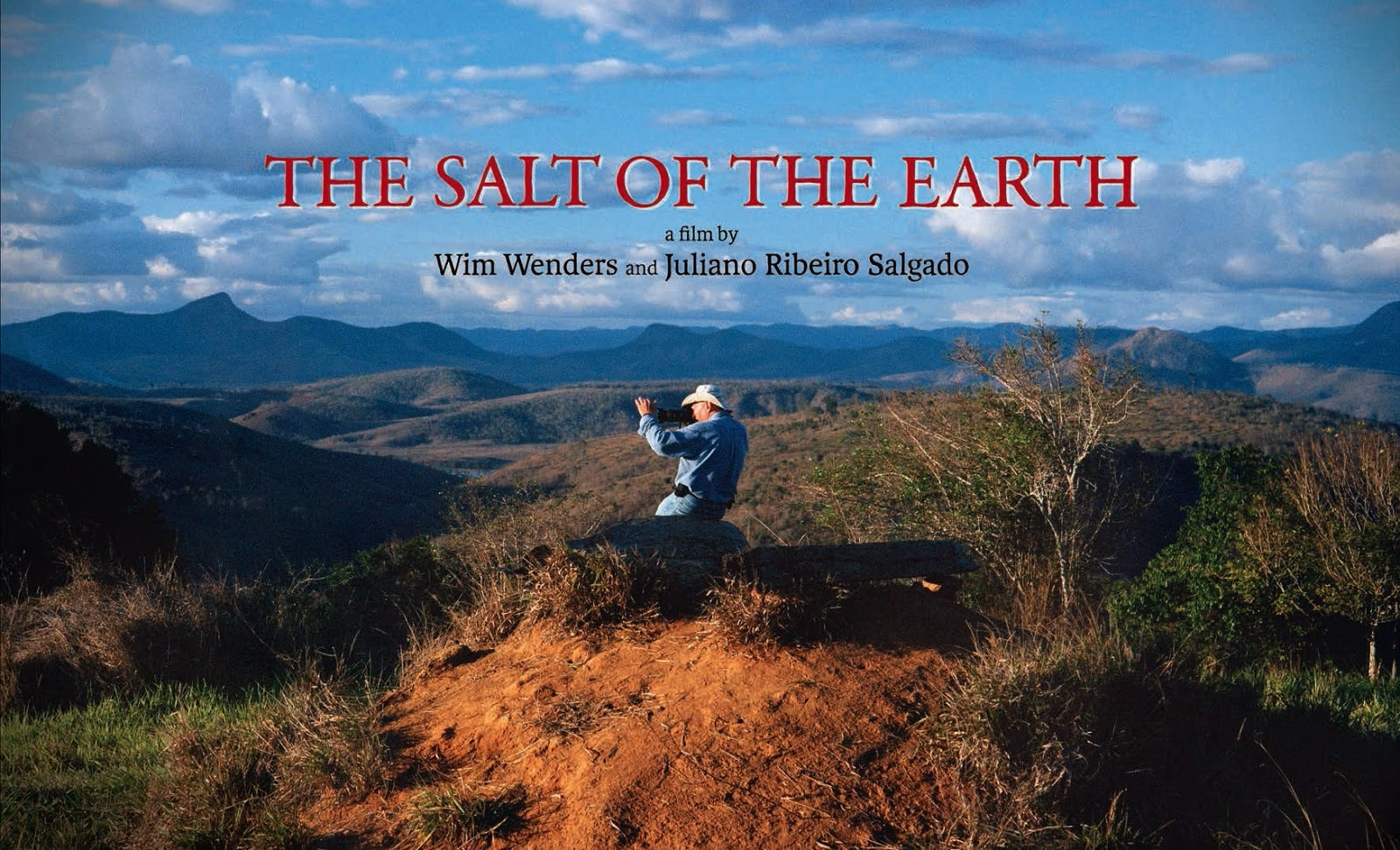
Having practiced primary care medicine across the Navajo Nation for decades before retiring in 2023, Chip Thomas continues his healing vocation through photographic lenses, brushes, and wheatpaste. Working in intimate collaboration with the Diné people, Thomas embeds large-scale black-and-white portraits directly into vernacular architecture and the desert topography. Through his self-initiated Painted Desert Project, which connects independent street artists with local residents, he reclaims public space as an open-air repository of communal memory.
Joined by boundary-pushing figures across disciplines—including poet Layli Long Soldier, writer Bryan Washington, choreographer Trajal Harrell, and saxophonist Immanuel Wilkins—this year’s MacArthur roster reaffirms that contemporary art remains not merely an aesthetic pursuit, but an indispensable arena for social witness and structural reckoning.