

A Timeless Dialogue of Intimate Spaces: Aubrey Levinthal, Biala, and Tal R in Berlin

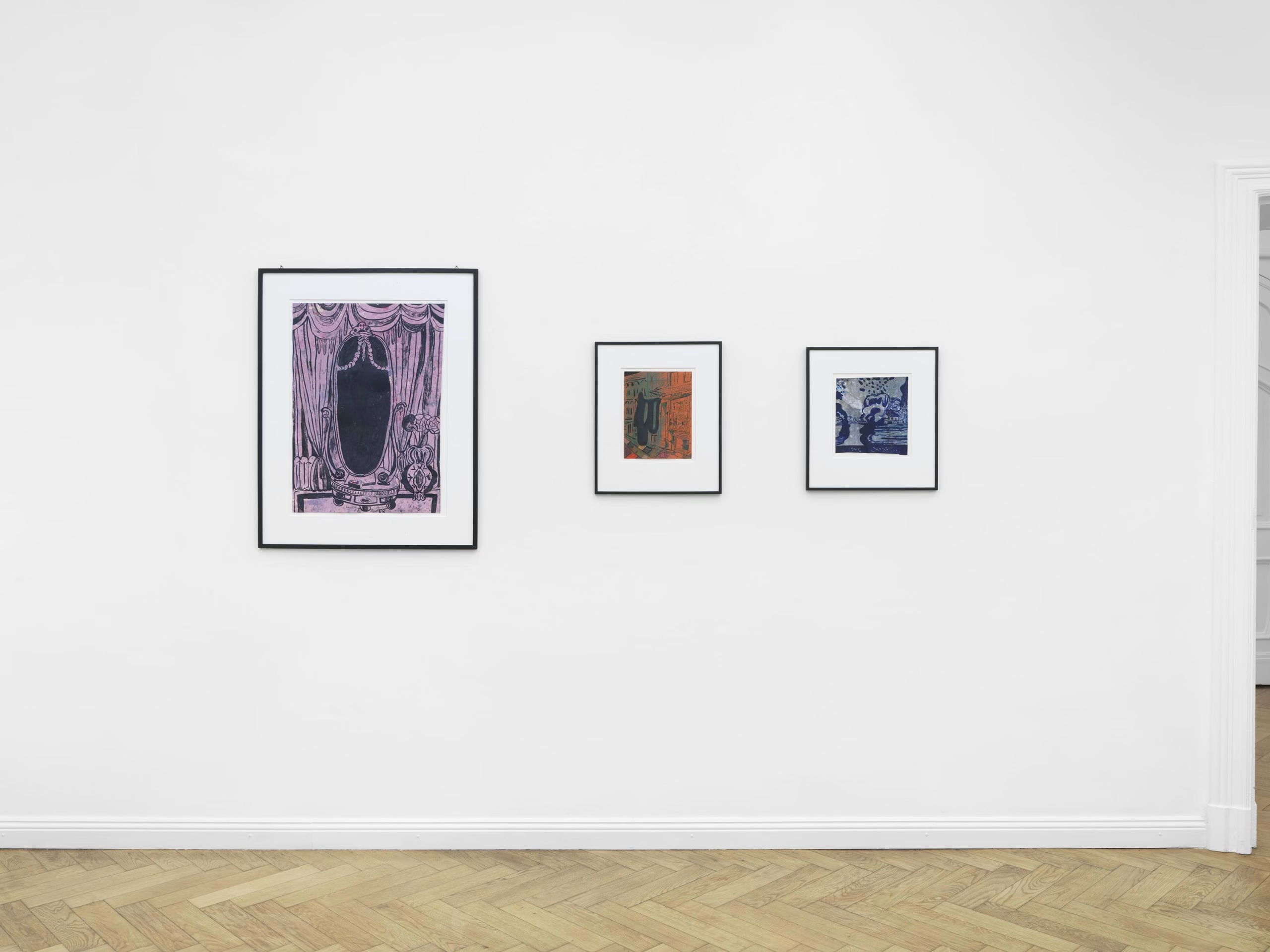
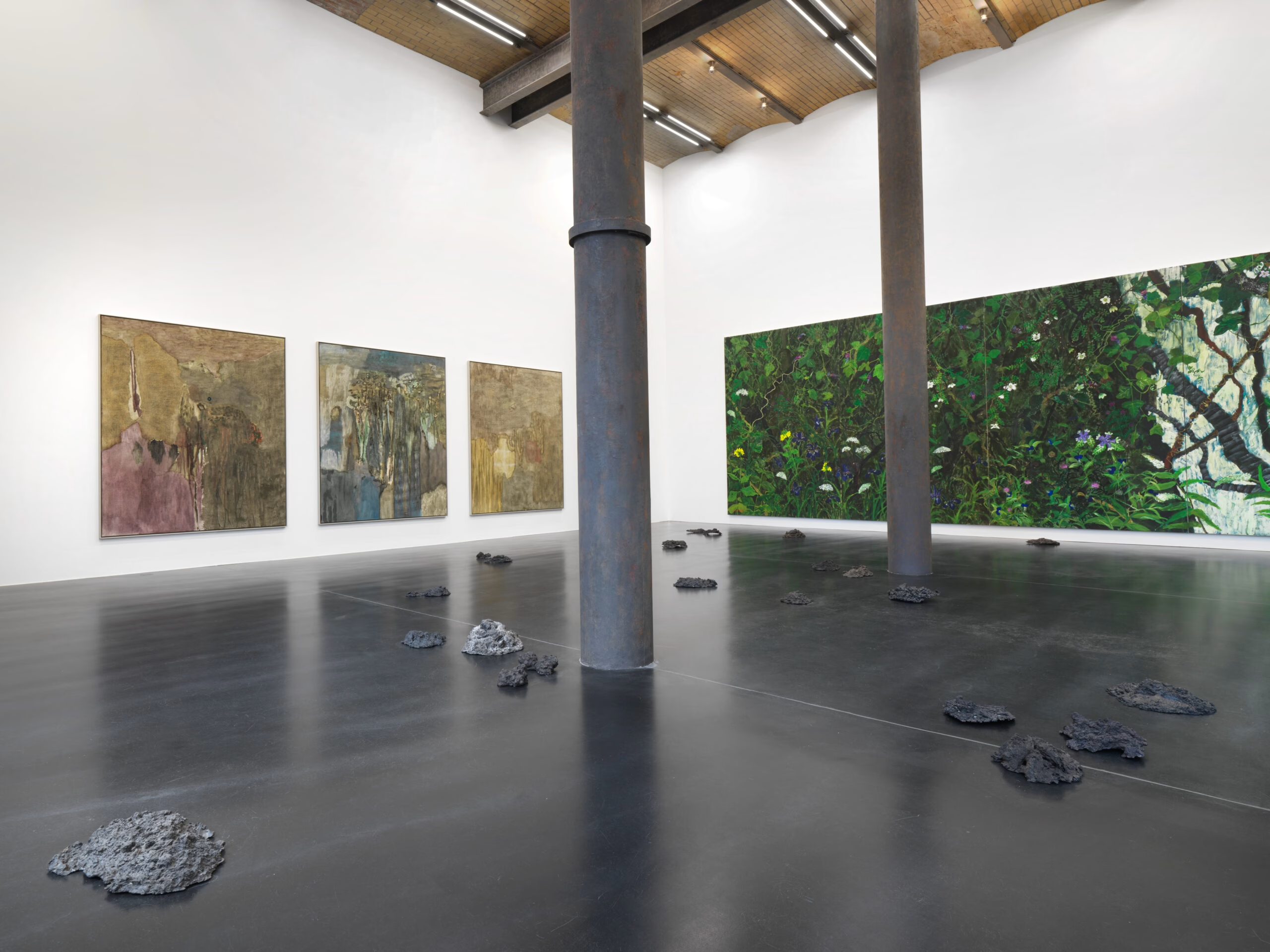
Amid the sprawling momentum of Berlin Art Week, a visit to Haverkampf Leistenschneider revealed an exceptionally nuanced exhibition that brought disparate generations and geographies into alignment across the plane of the canvas. On view from 11 September to 10 October 2026, the presentation staged a direct visual encounter between recent works by American painter Aubrey Levinthal (b. 1986) and two pivotal touchstones who have informed her practice: Biala (1903–2000) and Tal R (b. 1967).
At the heart of the exhibition was an interrogation of the depth latent within the ostensibly mundane. Training their focus on overlooked slivers of everyday life—the hush of an artist’s studio corner or the fragile minutiae of domesticity—the three painters tested the porous boundary separating personal experience from universal narrative. In Levinthal’s canvases, stagnant light filtering through windowpanes and dishevelled studio interiors entered into natural conversation with Tal R’s scenes, which distill friends, family, and private quarters through his distinctively raw visual vocabulary.
The presentation’s most commanding historical anchor was Biala. Named after the Polish town of her birth, Biala (born Schenehaia Tworkovska) emerged as a singular figure who committed still lifes and studio life to canvas with a timeless lyricism. Marrying the measured poise of the École de Paris with the bold, gestural brushwork of the New York School, her practice bridges two defining painterly traditions. Having last met Berlin audiences in a 1966 group exhibition at the Amerika-Haus, Biala’s work here marked a return to the heart of the city after an absence of exactly sixty years.
Weaving a century of painterly heritage into dialogue with contemporary figurative impulses, this encounter carved out an intimate space of exchange, meditating on the passage of time and the quiet vulnerability of the human condition.