

A Station of Silence Against the Transience of News: World Press Photo 2026 in London

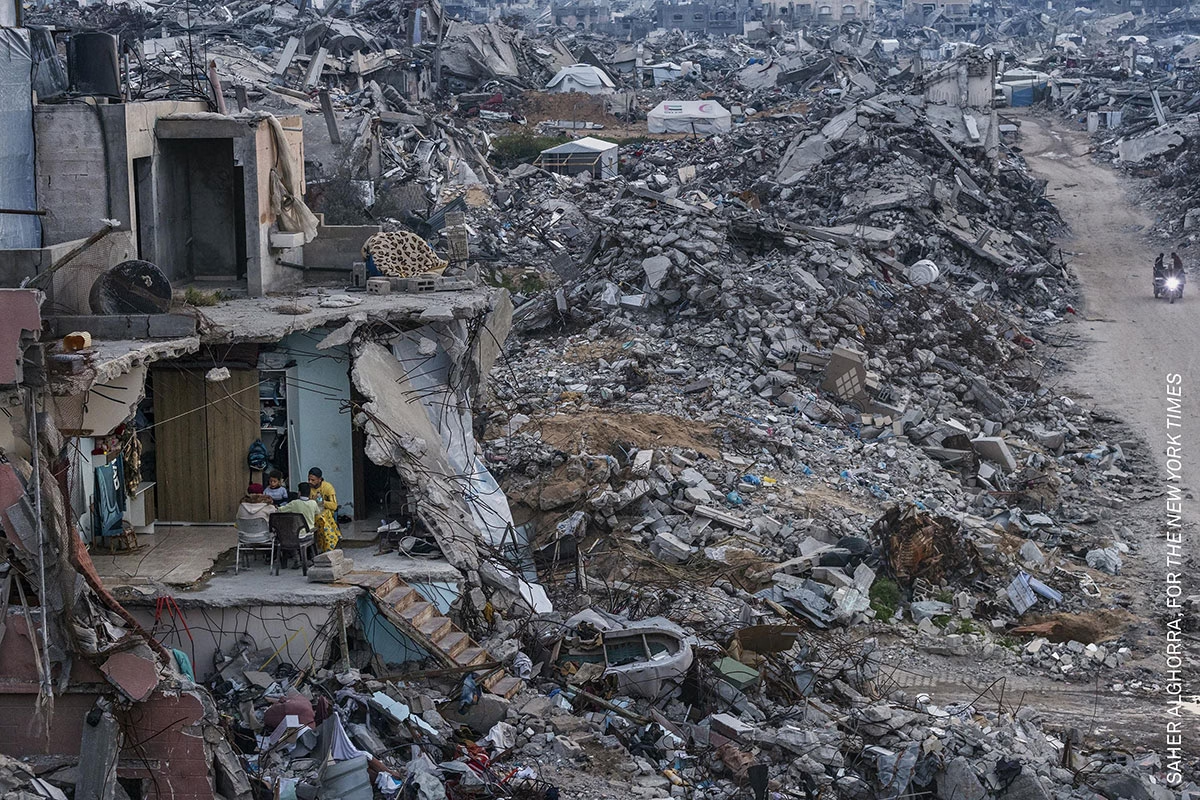
The year’s most staggering and transformative documentary photography selection makes a strong return to the London art route, just as it does every summer. The World Press Photo 2026 exhibition is preparing to meet photography enthusiasts at the MPB Gallery on Bermondsey Street between August 21 and September 30, 2026. Taking place a short walking distance from London Bridge, the tour will exhibit the collective memory of humanity through the eyes of 42 award-winning photographers, standing out among more than 57,000 photographs from around the world.
69 Years of Documentary Memory and an Independent Jury
Held continuously since 1955, the World Press Photo awards have transformed into the most prestigious reference point for quality news and documentary photography on a global scale over this historical process exceeding half a century. For this year’s edition, 57,376 photographs from 3,747 different photographers were evaluated.
The 31-member independent jury delegation, selected from 141 different countries, consists of a highly diverse structure bringing together photography critics, publication editors, and active field photographers. This broad-perspective jury work highlights not only the aesthetic value of the award-winning shots but also the journalistic ethics and social impact they carry.
Bermondsey Street: An Art Texture Integrated with the Exhibition
Hosting the exhibition, MPB Gallery (42-44 Bermondsey Street, SE1 3UD) is located at the center of the dynamic art momentum the Bermondsey neighborhood has caught in recent years. Neighboring iconic addresses of contemporary art such as White Cube Bermondsey, the venue offers an ideal scale for large-format photographic prints and comprehensive thematic exhibitions.
Easily accessible from London Bridge station (Jubilee and Northern lines) or the Borough and Bermondsey stops, the gallery is situated in a fluid location that blends neighborhood life with a high art experience.
From Phone Screens to Gallery Walls: The Weight of Reality
World Press Photo exhibitions generally welcome their visitors with an unprepared emotional depth. These frames, creating a sudden feeling of pause in the gallery corridors, do not merely promise visual beauty; on the contrary, they lay bare the harsh realities our world faces, from the climate crisis to armed conflicts, forced migration to human breaking points.
These images, which we swipe past in a second on our smartphone screens or newspaper pages in the daily hustle, gain a completely different weight in the silence of the gallery space and in giant print sizes. The most vital function of the World Press Photo tour lies exactly here: Standing against the consumption-focused transience of news and visuals, inviting the viewer to stop, look, and think deeply.
We highly recommend not missing this remarkable confrontation.