

On the Threshold of a Familiar Void: ‘There Is a Dog in the Corridor’ at Galeri Nev


Most of us know the uncanny dread that catches at the heel as we walk toward the end of a dim hallway: an alien presence, or an indefinable shadow, suddenly surfacing within our own home, right at the center of an order we presumed to have built ourselves. İbrahim Karakütük’s new exhibition at Galeri Nev, There Is a Dog in the Corridor, beckons us to pause at this very threshold and gaze inward—above all, into ourselves.
Even in the midst of a life believed to be held firmly in hand, an individual can suddenly become estranged from oneself. That comfortable enclave where we assume our choices stem purely from our own volition is, in truth, enclosed by invisible walls erected long ago—spanning from the family and the state to cultural habits and the relentless rhythms imposed by technology. In structuring the spine of the exhibition, Karakütük whispers of the untainted scale of childhood: those days when clouds drifted boundlessly from one horizon to the next, when a tree settled into gentle accord with the soil that anchored it, and when a shadow faithfully accompanied the body to which it belonged. Adulthood, by contrast, marks the rupture of this pristine equilibrium; it is the restless, unremitting tension between belonging and drift, putting down roots and staying in motion, finding one’s voice and conforming to an imposed mould.
The contemporary era packages this constriction in glossy wrapping: the promise of “freedom.” Self-actualization, perpetual self-improvement, being the master of one’s own destiny… What sounds like a seductive summons soon curdles into an exhausting vocation, coercing the individual to relentlessly reproduce, render visible, and redefine themselves. Step by step, we are refashioned by the very instruments we embrace in the name of liberation.
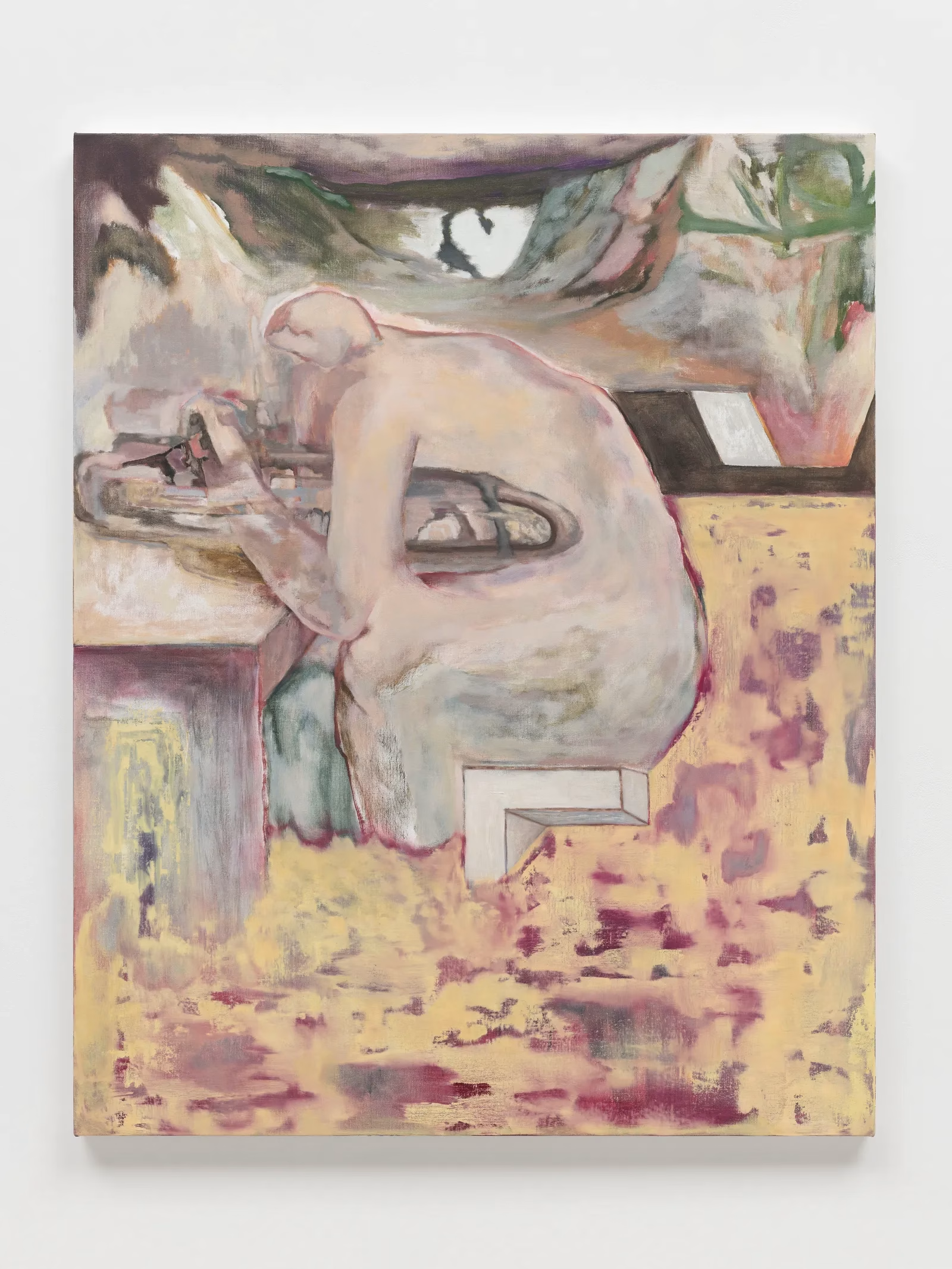
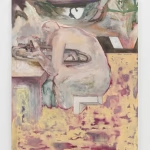
It is here that the demarcation between the personal and the social thins and dissolves, colliding with the surface of the body. Across the frames on display, the body emerges not merely as an anatomical entity, but as an affective register—recording fears, concealments, retreats, and unseen external interventions. In the subtle slump of a shoulder or an uneasy posture suspended in space, one reads the quiet pressure the world exerts upon the individual.
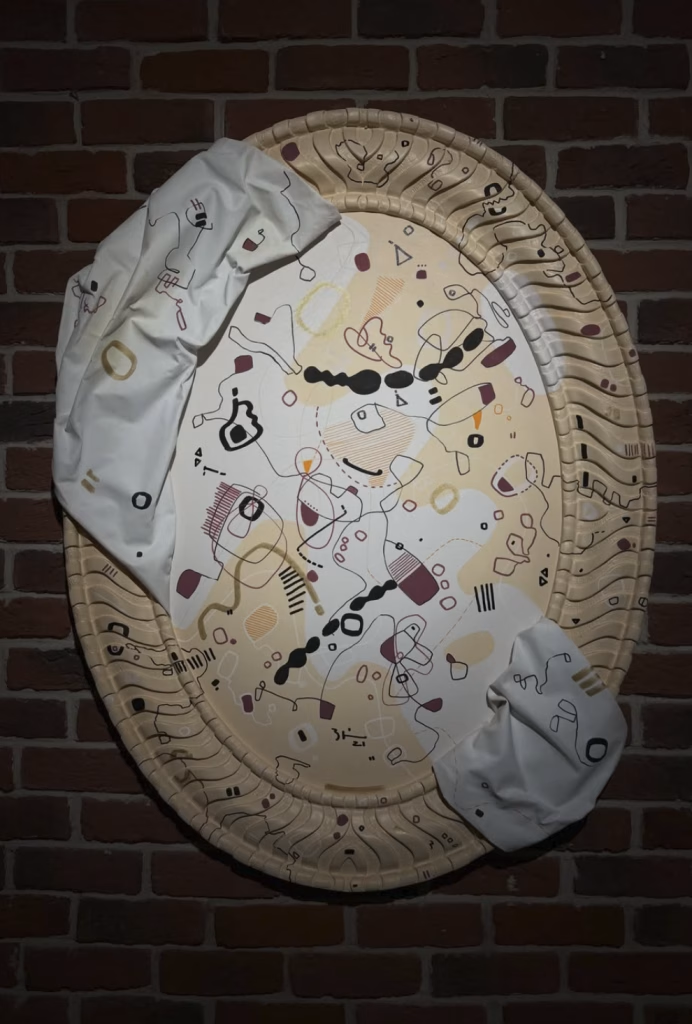
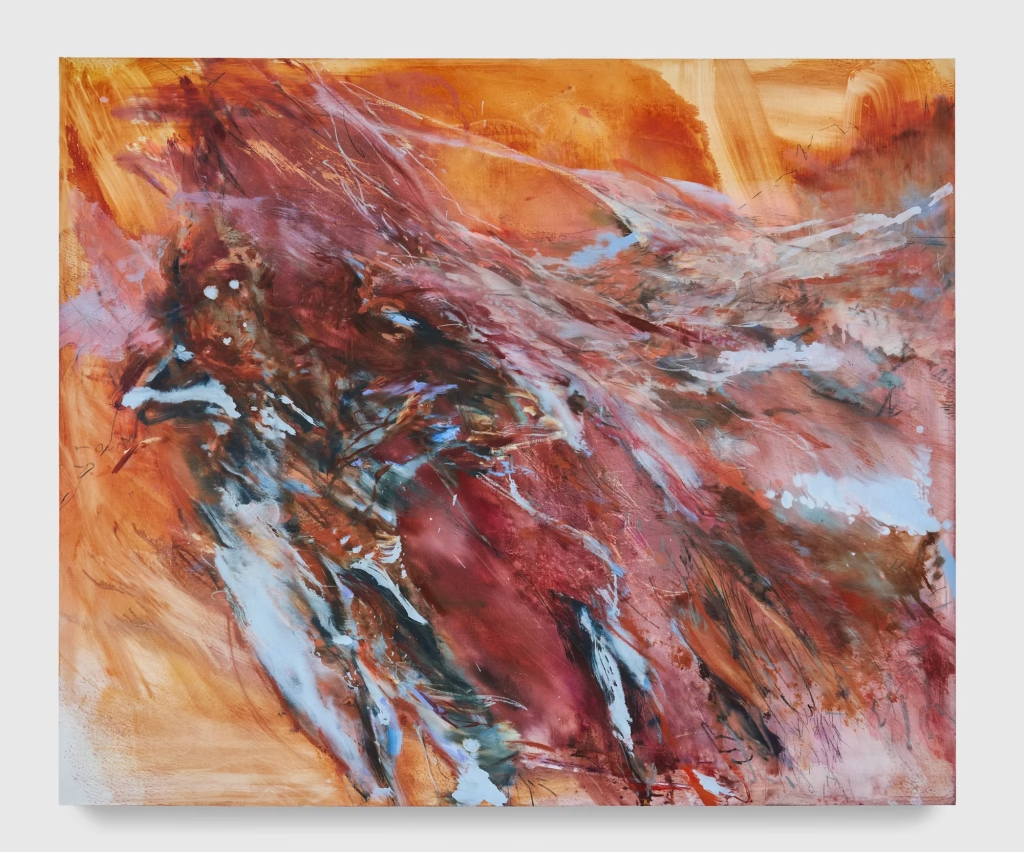
Karakütük resolutely avoids the expedient route of linear, didactic narration. In place of a conventional narrative arc complete with an exposition, development, and resolution, bodies, animals, uncanny architectural fragments, slivers of nature, and peripheral details of daily life coalesce in an intuitive rhythm. No single photograph compensates for the absence of another; rather, it amplifies the adjacent image’s silence, leaving a fresh question in the viewer’s mind.
Nor is the shadow here merely a dark patch marking the absence of light. It is the projection of relationships that preceded us, of expectations bearing down on our shoulders, and of an indelible sediment left by the past. The razor-thin line between casting one’s own shadow and vanishing into someone else’s flickers and dissolves across every frame.
There Is a Dog in the Corridor makes no pretense that an individual can divest themselves entirely of their surrounding conditions; indeed, the exhibition’s integrity lies precisely in this restraint. Instead, it probes whether it remains possible to carve out an authentic territory of one’s own within this enclosure. The parting whisper echoing in the mind lingers long after stepping out of the gallery: perhaps the question is not how much of our lives we are free to choose, but how much of ourselves we can preserve within the life we have been given.
İbrahim Karakütük’s introspective, intuitive, and quiet yet arresting visual universe is on view at Galeri Nev through 7 November 2026. It is well worth taking the time to confront the shadow waiting in the corridor.