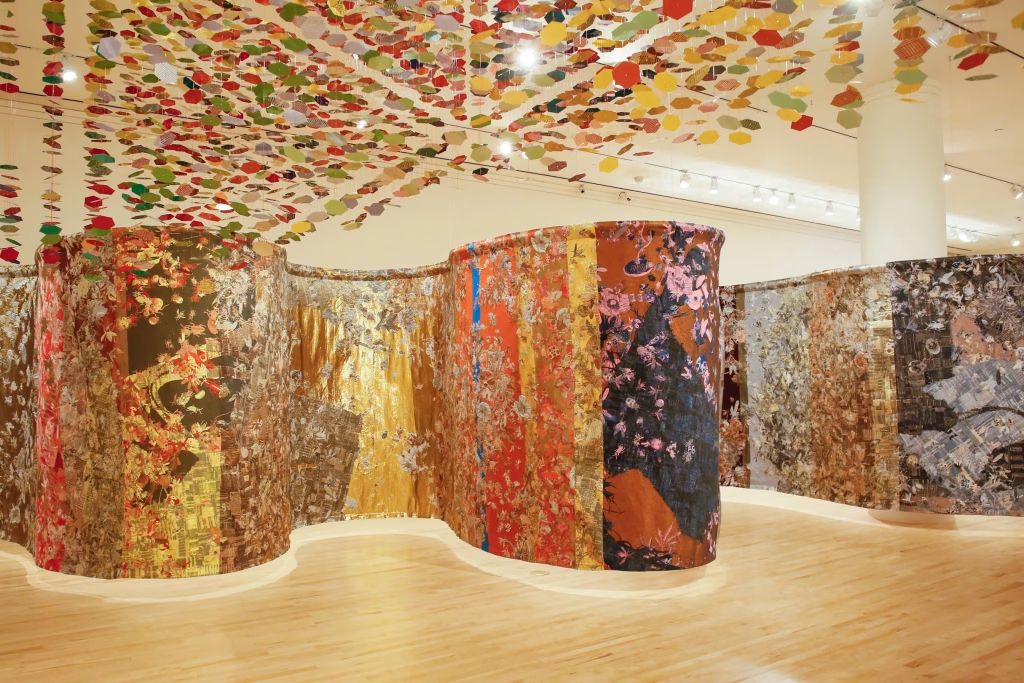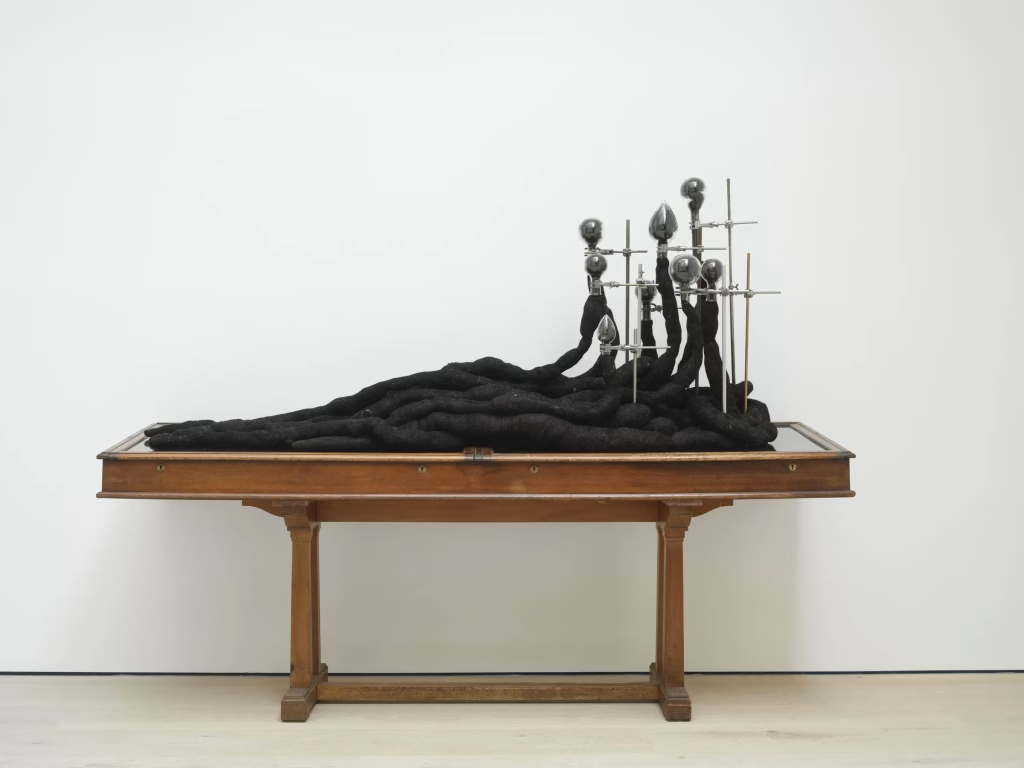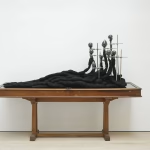


The brutalist heart of London, Barbican, invites us this spring to an unusual dialogue—an encounter that pushes the boundaries of form. In the third chapter of the Encounters: Giacometti series, the 20th-century sculpture genius Alberto Giacometti meets one of contemporary art’s most liberated spirits, Lynda Benglis, for the first time side by side. The atmosphere on this floor is charged with a fascinating tension that oscillates between Giacometti’s familiar, taut, elongated metallic silence and Benglis’s uncontainable, organic, visceral forms. The creative smoke rising from the boiler room this time filters the unique language that two different generations have built around “body” and “space,” bringing it to the surface. Opened on 12 February, this exhibition brings together Benglis’s previously unseen works—selected by the artist herself—with Giacometti sculptures she personally chose. On London’s hazy March days, as you walk through these rooms where history and the present intertwine, you’ll realise that sculpture is not merely a solid mass—it is a living, breathing, even fluid energy. On this new floor of our apartment, let’s peer together into that uncanny yet peaceful void where form is set free.
An Intergenerational Aesthetic Dialogue: Benglis × Giacometti
This major exhibition on the second floor of Barbican stands out as one of the most ambitious instalments in the Encounters: Giacometti series. The curatorial structure goes beyond simply placing works side by side; it collides Benglis’s ecstatic formal search—ongoing since the 1960s—with Giacometti’s mid-20th-century approach that atomised the human figure. While Benglis re-reads Giacometti through her own selection, she also offers viewers a bridge that transcends time.
This encounter holds strategic importance for understanding the evolution of sculpture. When Giacometti’s existenceally anguished, attenuated figures meet Benglis’s visceral forms, the resulting energy forms the foundation of a modern, urban narrative.
The Liberation of Form: Lynda Benglis’s Organic World
Lynda Benglis is known for shattering conventional moulds and almost dominating her materials. Her works carry both a playful lightness and a depth that physically affects the viewer. Her practice, continuing from the 1960s to the present, is filled with forms created by freezing materials such as latex, polyurethane, and metal as if they were flowing liquids.
The new, previously unexhibited works in the exhibition serve as proof of Benglis’s fascination with nature and the human body. These ecstatic forms she defines offer a fluid counterpoint to Giacometti’s vertical, rigid lines. This organic movement within the space compels viewers to circle the sculptures and explore every curve and fold.
Elongated Shadows: Giacometti and Experiments with the Human Form
Alberto Giacometti, one of the most important figures in modern sculpture, forever changed the way the figure occupies space and is perceived. His signature “elongated” figures are not merely sculptures; they are monuments symbolising the fragility and solitude of modern man.
The Giacometti works selected by Benglis balance the dynamism of the exhibition. The metallic, hard, almost melting textures of Giacometti contrast with Benglis’s soft transitions, reinforcing the exhibition’s profound tone. Presenting the human form through such different perspectives gains an entirely new layer of meaning beneath Barbican’s brutalist architecture.
Exhibition Details:
Venue: Barbican Centre, Level 2, Silk Street, London
Dates: Until 31 May 2026