

The Merciful Limits of the Mind: József Csató and the “the most mercyful thing” Exhibition

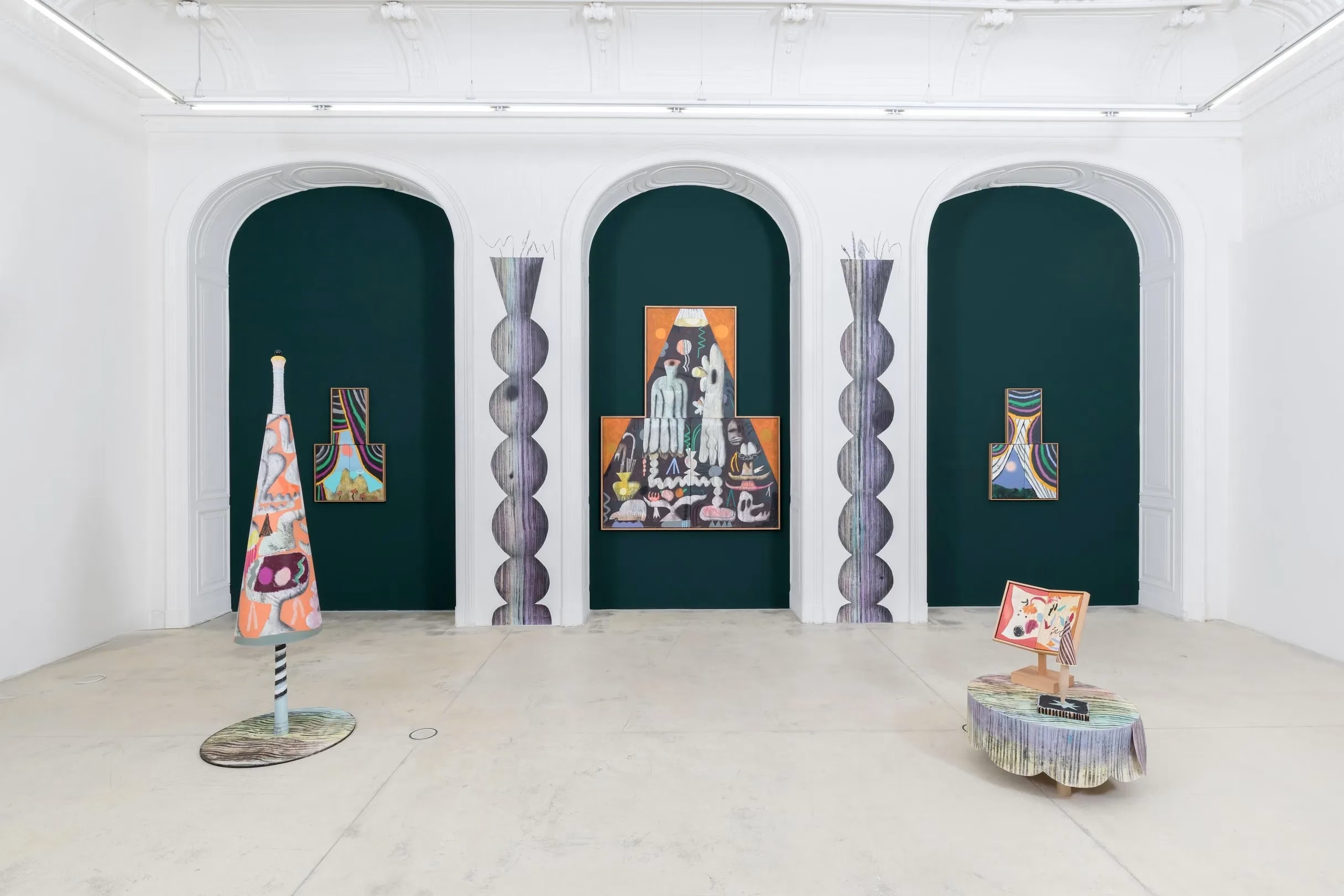
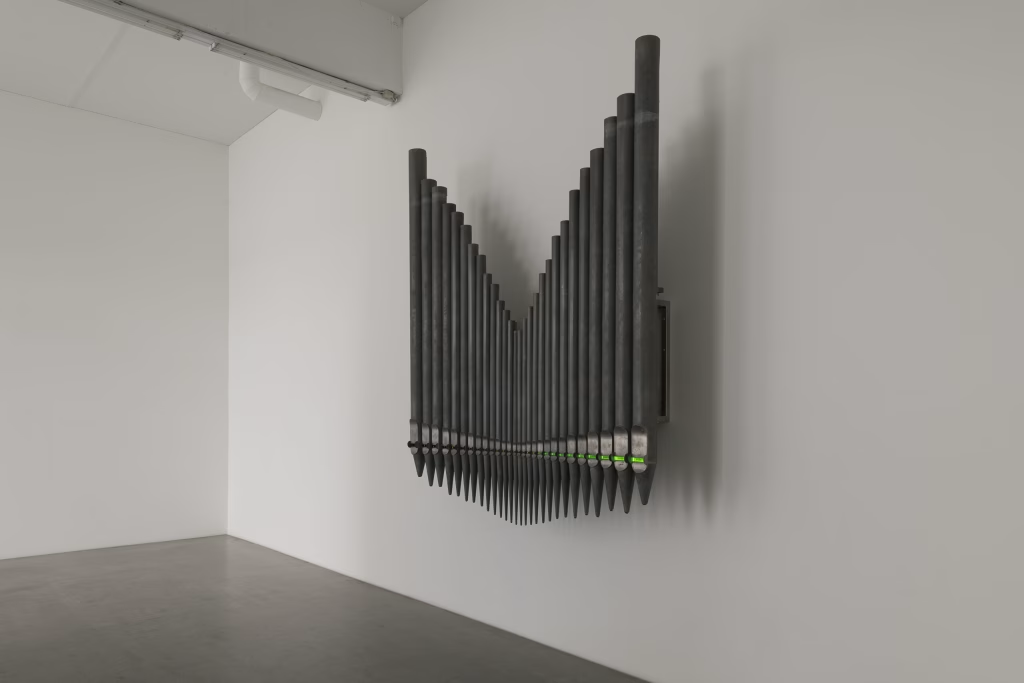
We are in Vienna’s art-filled streets, at Galerie Krinzinger. While the echoes of Nevin Aladağ’s sound sculptures drift through the gallery space, a brand-new universe that pushes the boundaries of our minds awaits us. Contemporary artist József Csató, with his exhibition titled “the most mercyful thing” running until 25 April 2026, pours onto canvas that eerie tension between what we can understand and what lies beyond our comprehension.
Lovecraft’s Prophecy and a Hybrid Universe
“The most merciful thing in the world… is the inability of the human mind to correlate all its contents.” — H.P. Lovecraft
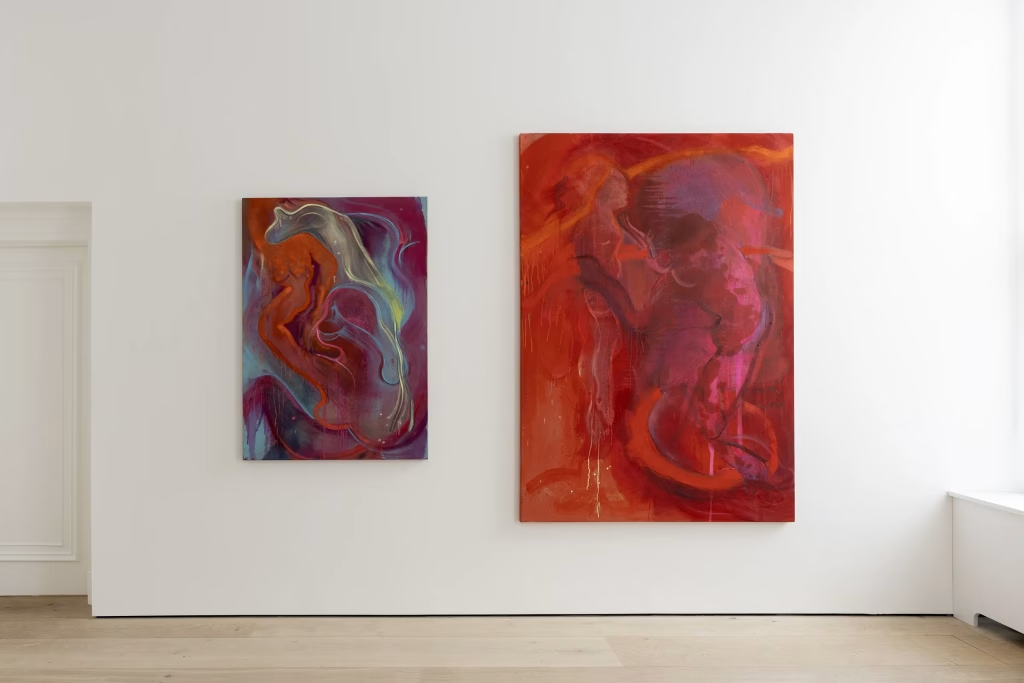
This famous quote from the master of horror and cosmic terror, Lovecraft, resonates at the very heart of Csató’s works. On a single surface, anthropomorphic figures, plants, bones, mushrooms, fruits, and lamps interact in a way that is both highly playful and deeply cryptic. These vegetal and amorphous beings — neither fully abstract nor strictly figurative — draw the viewer into a strange world that feels at once deeply familiar and completely alien.
A Procession Outside of Time
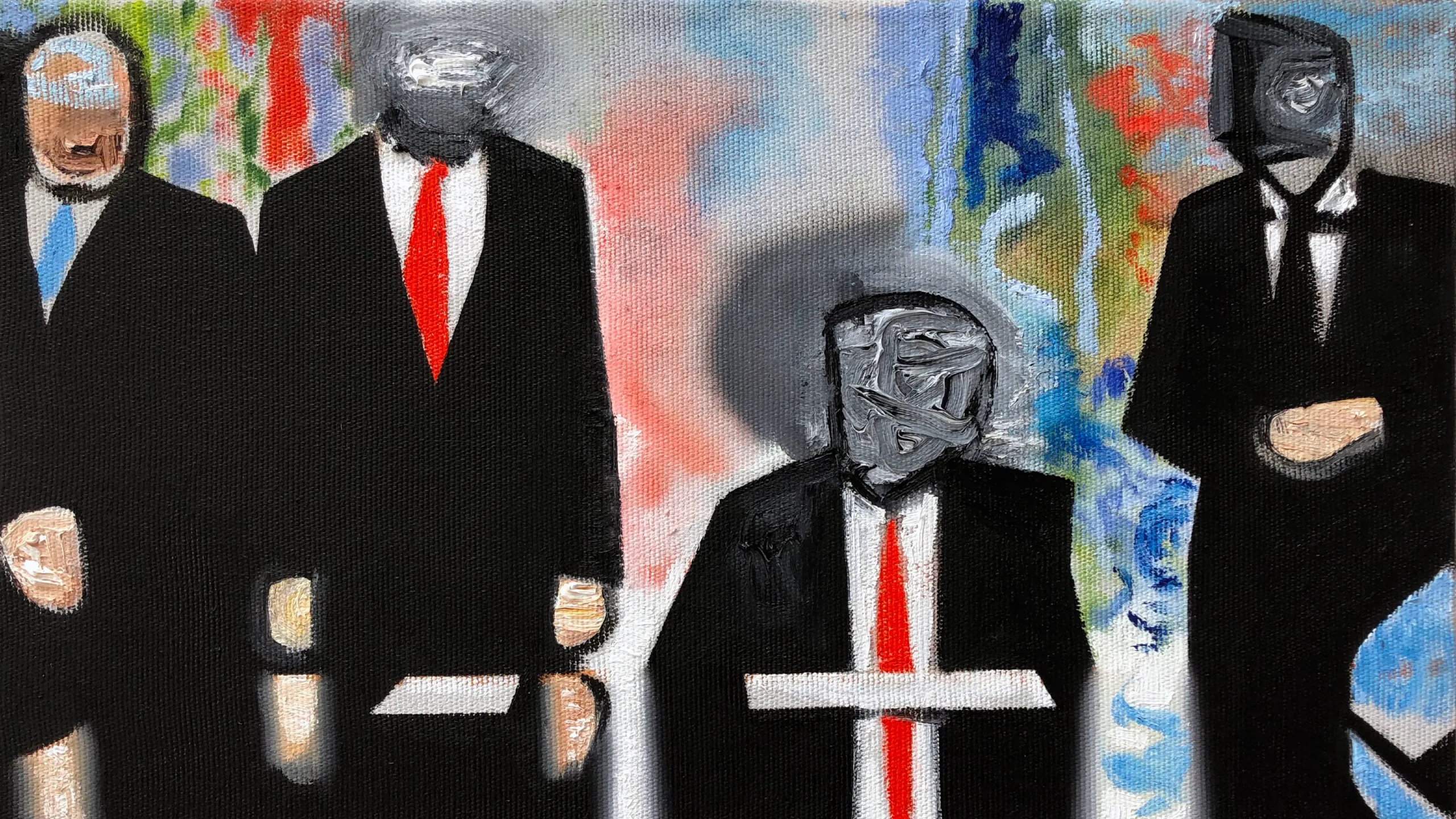
The organic and fluid beings that Csató constructs seem to form a legion within themselves. They line up side by side across frieze-like canvases as if participating in a procession, a rebellion, or a collective ritual.
When you look closely at the paintings, you notice their absurd yet captivating anatomies: limbs that turn into high-heeled boots, heads resembling palm trees swaying above bodies with vase-shaped noses, a hybrid genealogy where satyr legs and dangling arms intertwine… These figures stand before us like a “gallery of ancestors” that could belong to a distant past or a completely fictional, speculative future.
From Ancient Greek Friezes to Contemporary Canvas
This sense of collective movement pays a powerful tribute to much older pages of art history. Just like the frieze from the Temple of Ilissos in Athens (dating back to around 420 BC) exhibited at Vienna’s Kunsthistorisches Museum, the figures in Csató’s paintings are in constant progression and motion across the surface.
The dynamism of those ancient figures carved in stone, caught between narrative and decoration, finds new life in works such as Csató’s Even better times. The figures unfold in an uninterrupted rhythm along the plane; although suspended in time, they are charged with tremendous energy. Within this visual procession lies a vast narrative or countless mini-stories; yet these stories never deign to be fully or clearly readable.