

Reality, Illusion, and Paper Worlds: Thomas Demand’s New Exhibition at Sprüth Magers

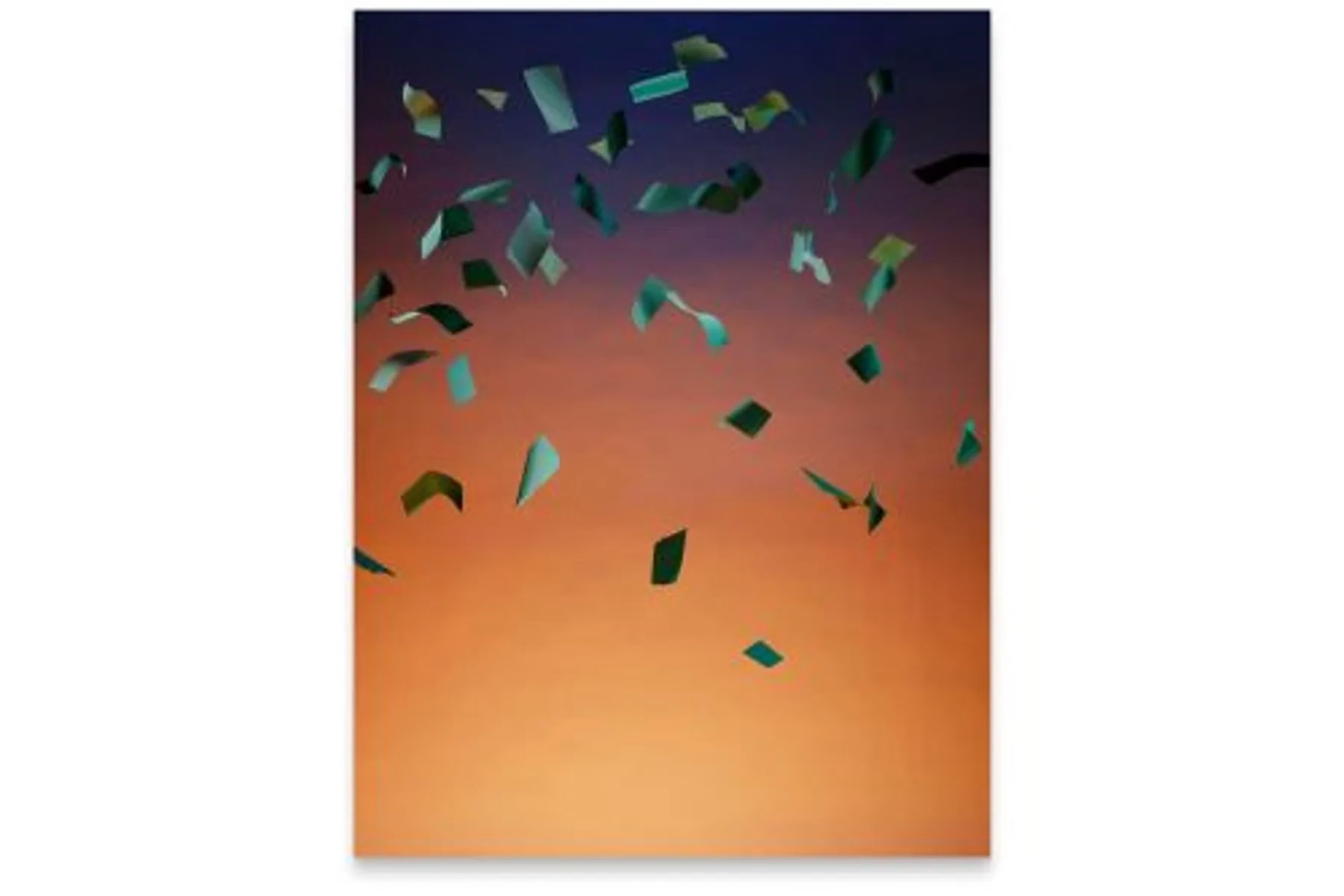
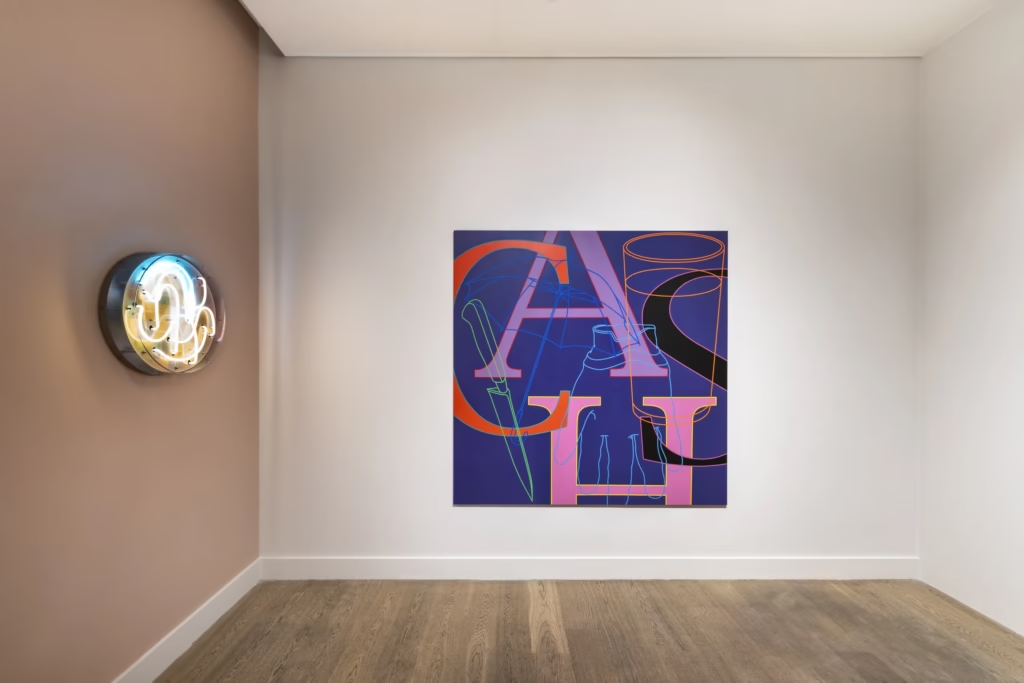
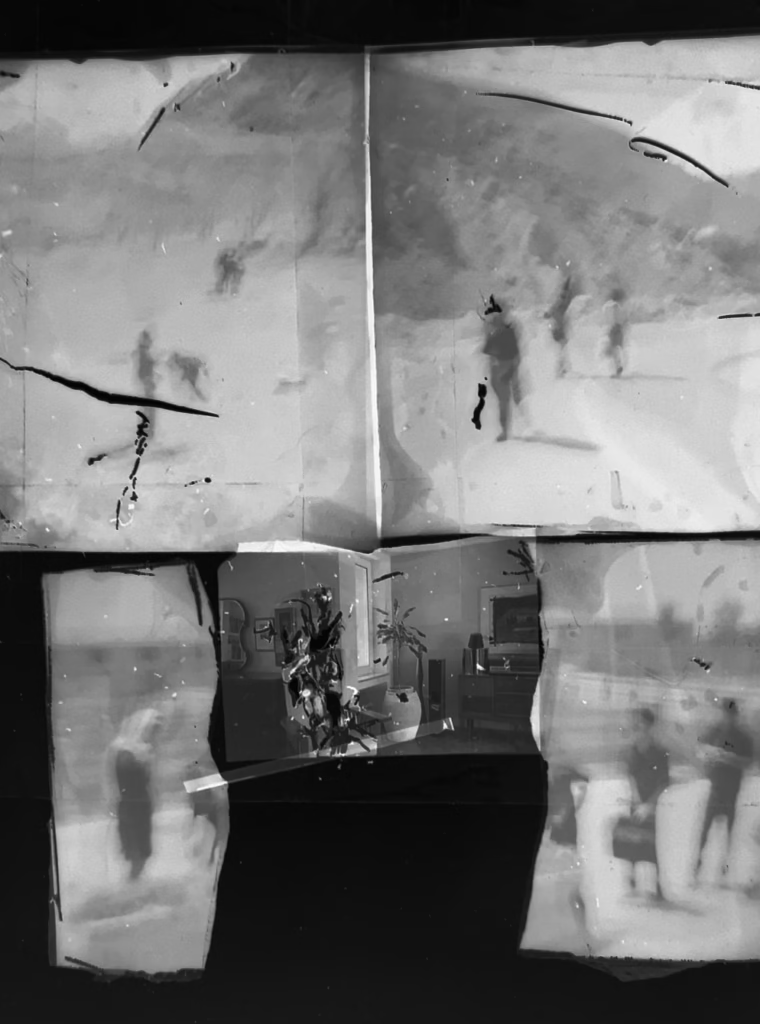
Known for his meticulous reconstruction of historically, politically, and culturally charged scenes—or ordinary everyday moments—using paper and cardboard models, Thomas Demand presents his latest works to the Berlin audience. Held at Sprüth Magers from May 2 to August 1, 2026, as part of Gallery Weekend Berlin, this solo exhibition adds a new layer to the artist’s practice in that uncanny space where sculpture and photography intersect.
Memory on Copper
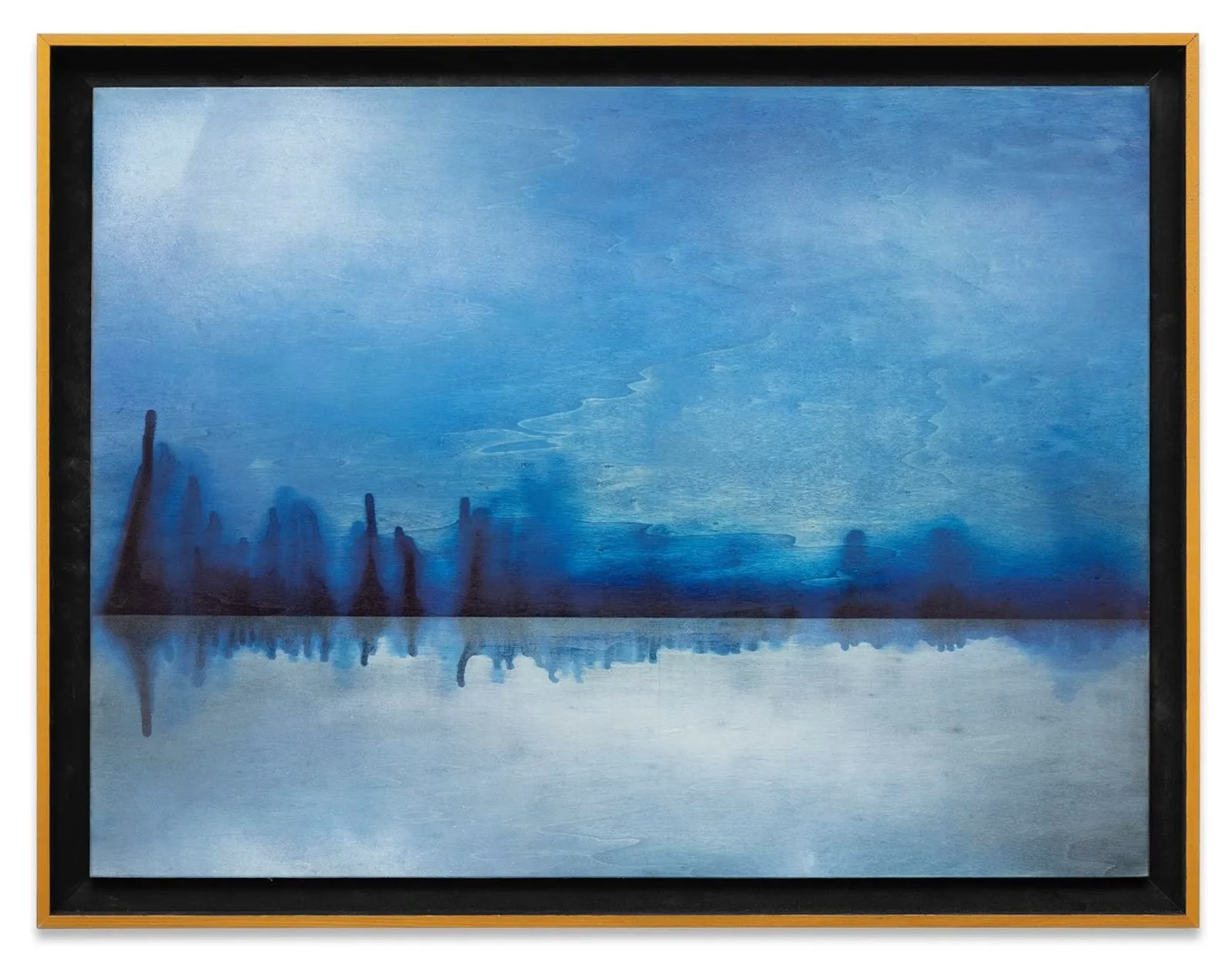
The most striking aspect of the exhibition is a new technique Demand began utilizing in 2025: printing on copper. The choice of this material, which reaches deep into art history, is no coincidence. Used as a durable canvas for painters during the Renaissance, copper plates were later coated in silver to become the ground upon which the first photographs were printed, playing a revolutionary role in the history of photography. By using copper for these newer, smaller-scale works, Demand integrates his conceptual play with the very history of the medium.
Artificial Intelligence, Nature, and Paradoxes of Perception
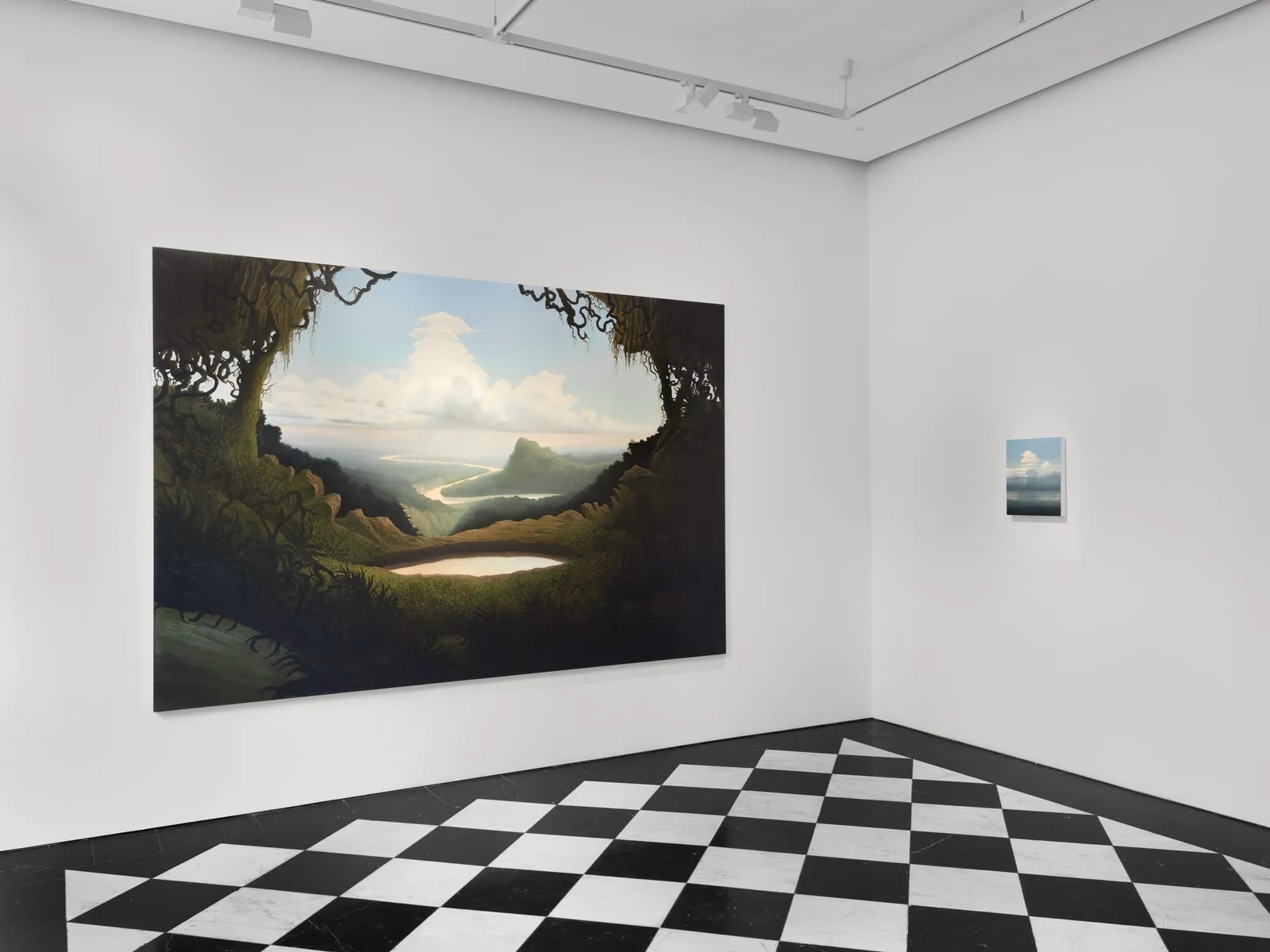
The new works span a wide range, from tightly framed moments of nature to dystopian abstractions of images generated by Artificial Intelligence (AI). Through these paper worlds constructed entirely from scratch, the artist questions the paradoxes of perception: How do we read our surroundings? How do we reconstruct what we see in our memory? And most importantly, how are we manipulated through images? Moving from the seemingly accidental arrangements of nature to the fictional visions of AI, this selection masterfully navigates the fine line between sculpture and photography, illusion and image, reality and interpretation.
The Collapse of the Claim to Truth
The backbone of Demand’s artistic practice is to unsettle the deep-seated belief that photography reflects reality exactly as it is. While the artist’s life-sized paper and cardboard models appear flawless and highly realistic at first glance, they contain subtle errors and anachronisms (mismatches of time/space) deliberately left to disrupt the viewer’s comfortable relationship with the scene. The paper folds or artificial textures noticed upon closer inspection blur the traditional distinctions between authenticity and artificiality.
Featuring works that reflect the artist’s recent directions, such as Eis (2025), alongside past works like Refuge I (2021) and Ruine (2017), this multi-layered exhibition invites the viewer to distrust everything they see at first sight.
Exhibition Information:
- Artist: Thomas Demand
- Dates: May 2 – August 1, 2026
- Venue: Sprüth Magers, Berlin
- Context: Gallery Weekend Berlin 2026