

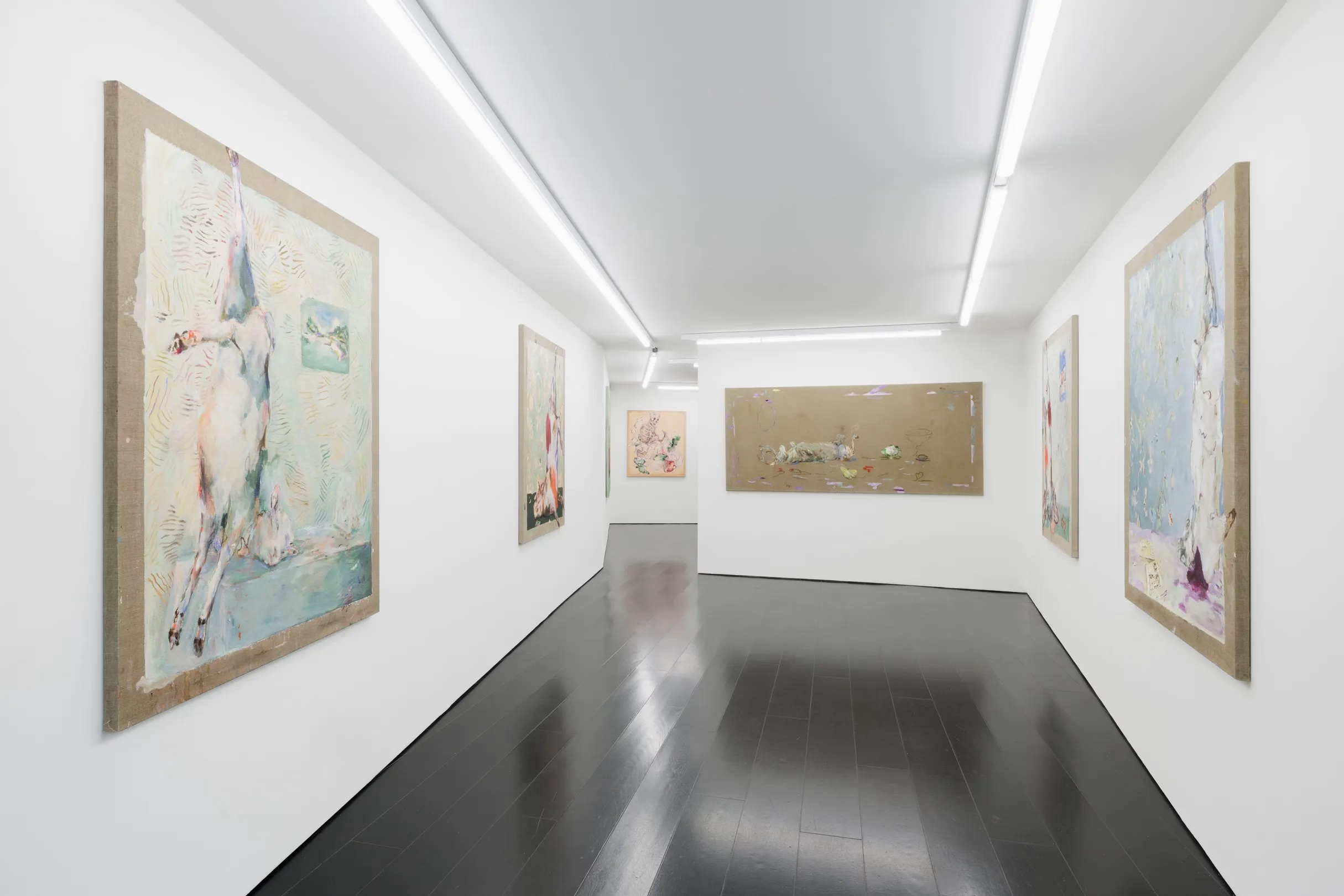
Stepping through the doors of Contemporary Fine Arts (CFA) in Basel, you are greeted by a melody that feels both familiar and uncanny. This first solo exhibition by Finnish artist Anna Tuori at the gallery takes its name from the famous 1968 song by Tommy James and the Shondells: Crimson and Clover. The sensation of sweetness entwined with tension—a feeling ingrained in the soul of the song—finds its perfect visual counterpart in Tuori’s brushstrokes. In this space, warmth never exists independently of unease, and beauty never exists apart from the unsettling.
Walking through the exhibition with the eye of an art critic, you witness firsthand how the “absurd enough to feel like fiction” structure of today’s world is materialized on Tuori’s canvases. The artist does not simply take news and chaos and vomit them onto the canvas; she waits for that pressure to settle and steep within her mind. The result? A mature visual language that is in no hurry to resolve conflict, leaving violence and compassion suspended within the same frame.
From Abstract to Figure: The Rhythm of Paint
Approaching the works, you immediately notice that Tuori’s creative process begins with color and composition rather than a statement. Rhythm dictates the canvas before figures even appear on the horizon. There is a silent negotiation between thin layers of paint that soak into the fabric to create an immaterial depth and thick, tactile piles of oil paint that protrude outward. As one movement retreats, another insistently asserts its presence. This aesthetic choice leaves the viewer with a residue of restlessness—one they cannot quite name but feel deeply.
The Weight of Classical Still Life and the Everyday Face of Death
The backbone of the exhibition rests on one of the ancient legacies of art history: memento mori. However, Tuori does not resort to direct vanitas citations; she captures the tradition from a much more organic, atmospheric place.
Standing before the works, you sense that animal figures—cows, deer, and cats—have taken the place of the human body, yet they do so in an entirely depersonalized way. These lifeless animal bodies, hanging upside down with the full weight of gravity, echo the classical still life tradition while suddenly heightening the emotional stakes. Through these animals, Tuori opens a vast field of projection for the universal fragility and vulnerability we all share, without directing the viewer toward a specific identity.
A Walk Among the Works
As you move through the gallery, three specific paintings stand out as the conceptual manifesto of the exhibition:
- Noble and Tragic (2025): The jarring contrast felt when standing before this work forms the very heart of Tuori’s vision. The motif is entirely wild and brutal; a hanging carcass stands before you. Yet, the color palette used and the feel of the frame are so intimate, so domestic… horror is nestled within a decor of compassion. The exposed raw edges of the canvas whisper something clear: what we are seeing is merely a single perspective.
- When It Happened Again (2025): The deer, rendered with minimal brushstrokes that look like whispers on raw linen, is one of the most poetic moments of the exhibition. The title is a graceful yet painful reference to that closed, traumatic loop where the past returns incessantly because it has not been fully grasped.
- Simply Another Sunday Morning (2025): This time, we look at the world through a window. Nature almost seeps into the room. A floating hand engaged in painting and a ‘Lady Justice’ figure suspended between witnessing and hope… this is a painting of longing following brutality, a picture of a new possibility.
In Conclusion: Unanswered Questions
Crimson and Clover does not offer the viewer a comforting resolution. Indeed, Tuori’s intent is not to provide definitive answers. The exhibition explores the place where that which can be named with words comes into contact with the vast void that transcends language. Asking how we cope with the reality of mortality in the midst of our comfortable and ordinary lives, this selection never loses its compassion, even when handling the harshest subjects.
An exhibition where elegance collides with violence and absurdity with tranquility, this is undoubtedly one of the most emotionally resonant and thought-provoking selections of the season.
Save the Date:
- Venue: Contemporary Fine Arts (CFA), Basel
- Exhibition Dates: Running until June 6, 2026