

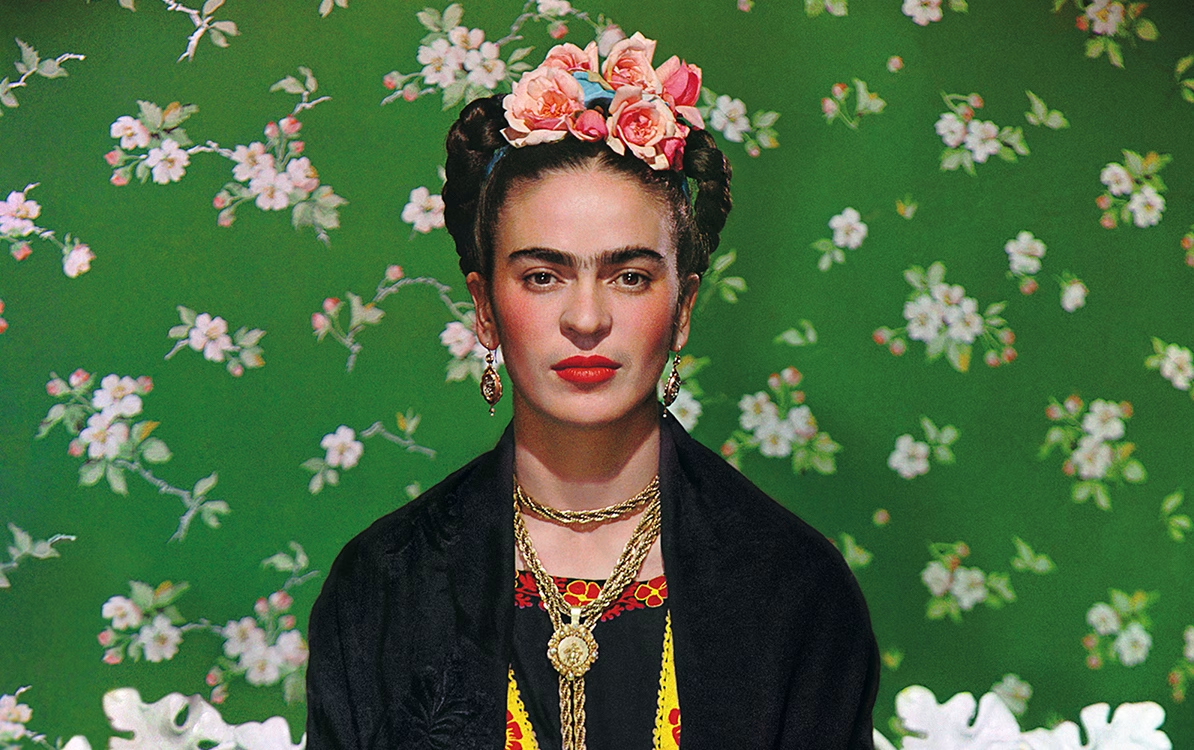
Frida Kahlo, the iconic Mexican artist, is more than a painter—she’s a cultural force whose vibrant self-portraits and unapologetic life story have shaped modern feminism. Her raw depictions of pain, identity, and resilience resonate deeply with art enthusiasts and feminist scholars alike, making her a global symbol of empowerment. In 2025, as exhibitions like Frida: Beyond the Myth at London’s V&A Museum and Mexico City’s Frida Kahlo Museum draw record crowds, her influence on feminist art and cultural identity remains undeniable. This guide, crafted with a cultural arts perspective, explores how Kahlo’s work and life have fueled contemporary feminism, Mexican art culture, and feminist art history. Here’s an in-depth look at her enduring artistic legacy.
Frida Kahlo’s Life: A Feminist Blueprint
Born in 1907 in Coyoacán, Mexico, Frida Kahlo transformed personal adversity into artistic expression. A bus accident at 18 left her with lifelong injuries, fueling her introspective self-portraits that defy societal norms. Married to muralist Diego Rivera, Kahlo navigated love, infidelity, and independence, rejecting traditional gender roles. Her bisexuality, political activism (she was a vocal communist), and embrace of Mexican identity challenged patriarchal and colonial structures, laying the groundwork for modern feminism.
How Kahlo Shaped Modern Feminism
Kahlo’s influence on contemporary feminism spans art, identity, and activism, resonating in 2025’s cultural landscape. Here are the key ways her work inspires feminist movements:
- Redefining Female Identity Through Self-Portraits
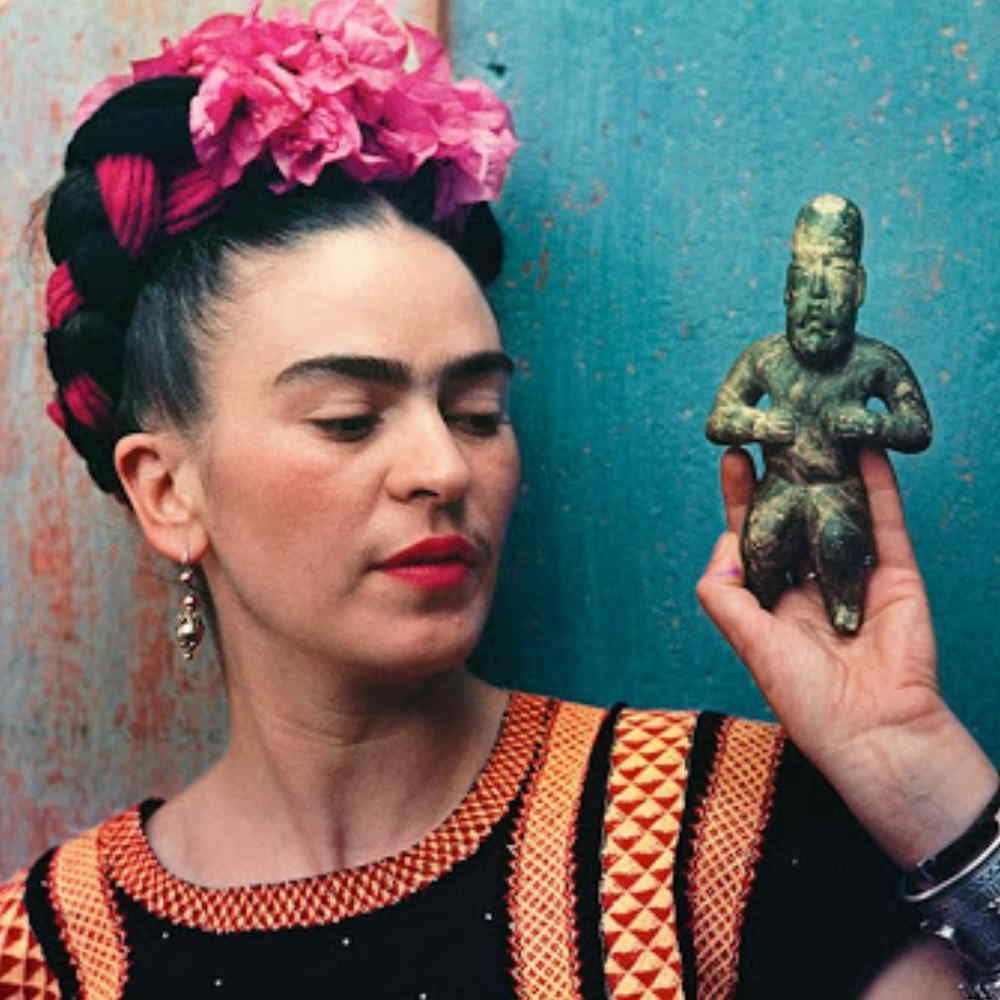
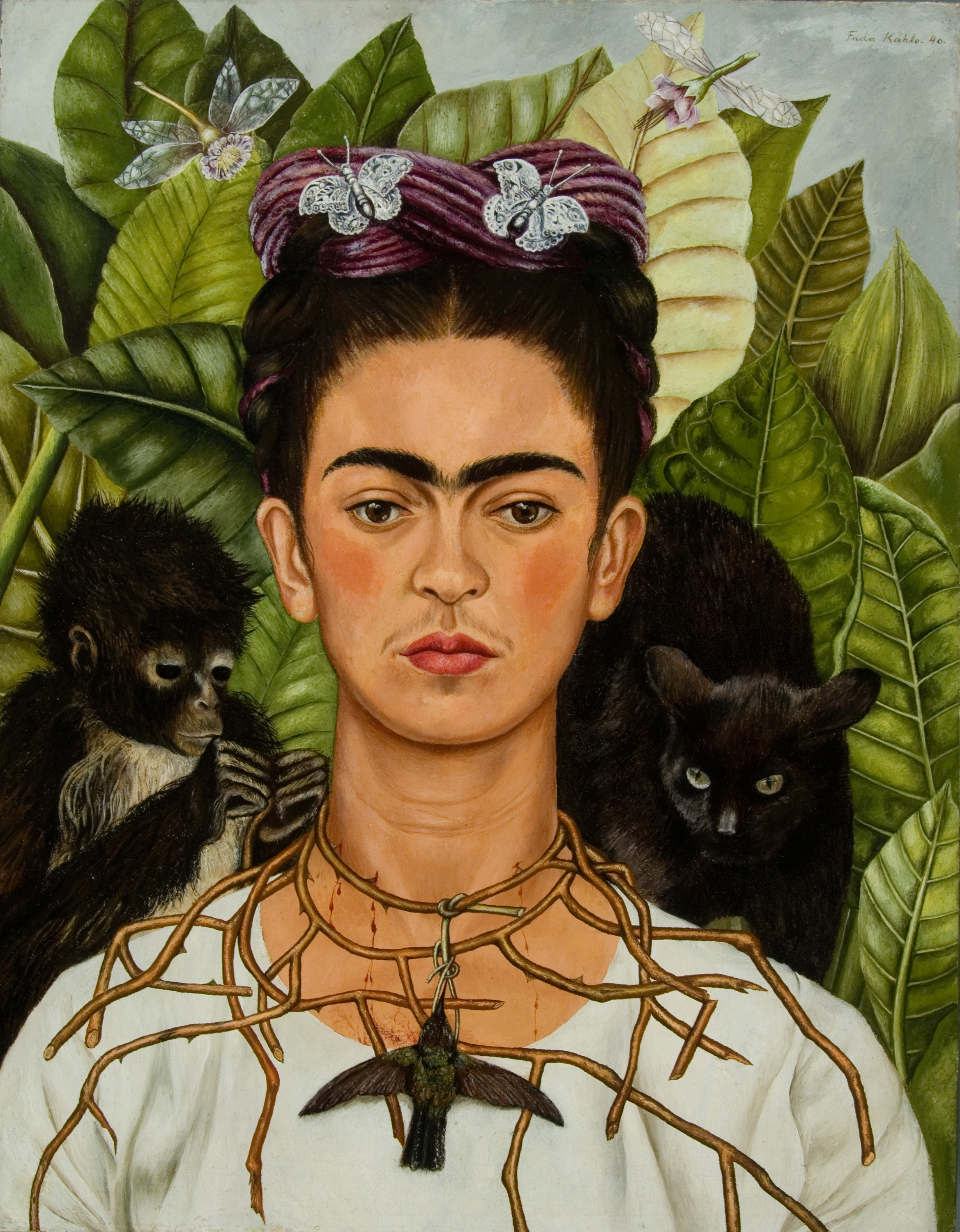
Kahlo’s 55 self-portraits, like Self-Portrait with Thorn Necklace and Hummingbird (1940), reject idealized beauty standards. Her unibrow, mustache, and traditional Tehuana dresses celebrate Mexican cultural heritage while asserting her unfiltered identity. By painting her pain—miscarriages, surgeries, heartbreak—she normalized women’s lived experiences, inspiring feminist art to prioritize authenticity over male gaze.
- Cultural Impact: Her raw imagery influenced artists like Tracey Emin and Cindy Sherman, who explore female subjectivity. In 2025, exhibitions at the V&A highlight her as a pioneer of self-representation in art.
- Feminist Connection: Kahlo’s refusal to conform empowers modern feminists to embrace their flaws, fueling body positivity movements like #UnfilteredFeminism on social media.
- Challenging Gender Norms
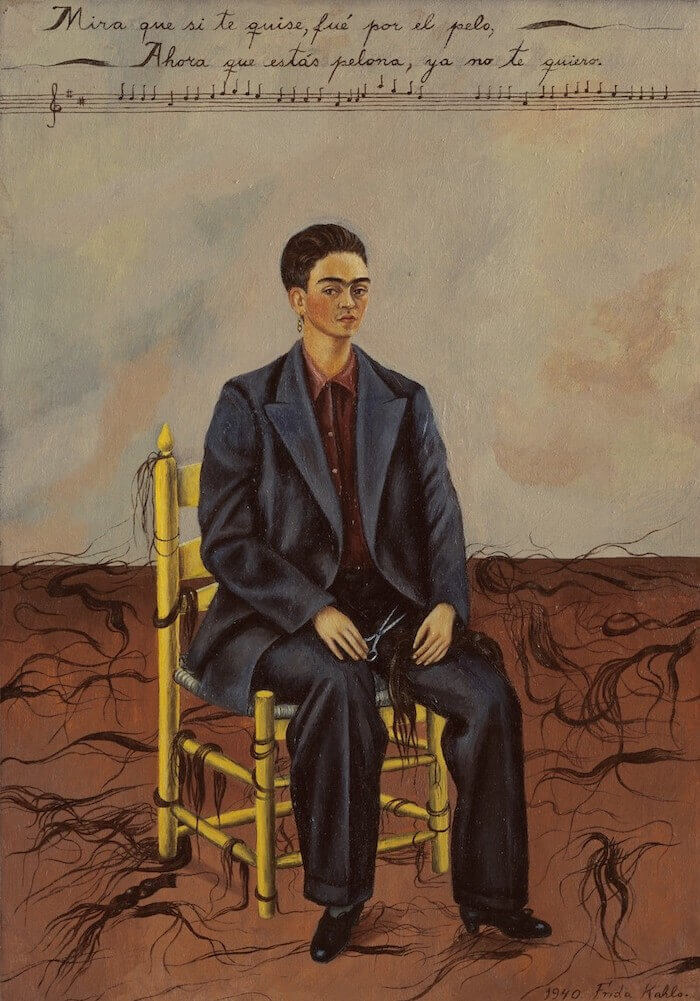
Kahlo’s defiance of traditional femininity—seen in her cross-dressing in Self-Portrait with Cropped Hair (1940)—challenged binary gender roles. Her bisexuality and open relationships with women, like singer Chavela Vargas, prefigured queer feminism, resonating with 2025’s inclusive gender narratives at events like Berlin’s Kunst im Untergrund.
- Cultural Impact: Her androgynous style and bold sexuality inspire queer artists and feminist fashion, seen in brands like Gucci reimagining her Tehuana aesthetic.
- Feminist Connection: Kahlo’s fluidity encourages intersectional feminism, advocating for diverse gender identities in global cultural dialogues.
- Voicing Pain and Resilience
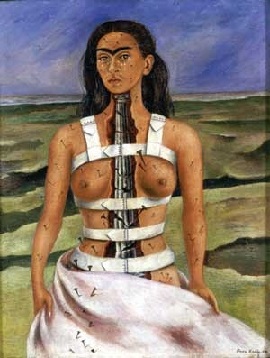
Works like The Broken Column (1944), depicting Kahlo’s spine as a shattered pillar, transform personal suffering into universal feminist narratives. By visualizing miscarriage (Henry Ford Hospital, 1932) and disability, she broke taboos, giving voice to women’s silenced experiences.
- Cultural Impact: Her raw depictions of bodily trauma influence contemporary feminist art, from Judy Chicago’s installations to 2025’s Frida Kahlo: Making Herself Up exhibit at San Francisco’s de Young Museum, showcasing her medical corsets as art.
- Feminist Connection: Kahlo’s honesty empowers women to share stories of trauma, fueling movements like #MeToo and women’s health advocacy.
- Embracing Cultural and Political Activism
Kahlo’s pride in her Mexican roots, seen in her use of indigenous motifs and vibrant colors, rejected colonial beauty standards, aligning with decolonial feminism. Her communist activism, depicted in Marxism Will Give Health to the Sick (1954), linked women’s liberation to broader social justice.
- Cultural Impact: Her Mexican art culture inspires Latinx artists like Yreina Cervantez, while her political art resonates in 2025’s Berlinale films addressing global inequities.
- Feminist Connection: Kahlo’s activism inspires feminist activists to connect personal struggles with systemic change, seen in 2025’s climate and gender justice protests.

- Inspiring Pop Culture and Global Feminism
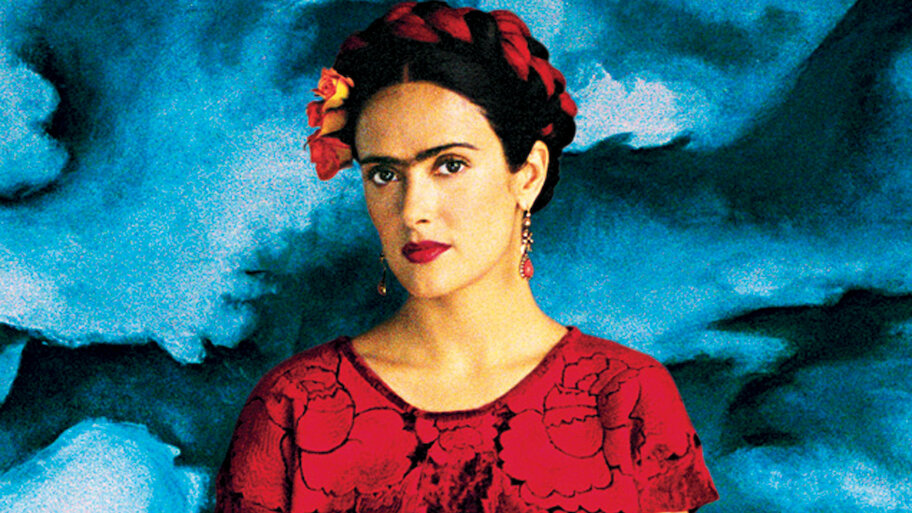
Kahlo’s image—unibrow, floral crowns—has become a cultural icon, adorning everything from murals to T-shirts. Her 2002 biopic, Frida (starring Salma Hayek), and 2025’s animated series Frida’s World on Netflix amplify her feminist legacy. Her influence extends to global feminism, with artists in Istanbul’s SALT Galata and Berlin’s KW Institute citing her in 2025 exhibitions.
- Cultural Impact: Kahlo’s commodification, while controversial, democratizes her artistic legacy, making feminist art accessible to new generations.
- Feminist Connection: Her iconic status fuels pop culture feminism, inspiring women worldwide to embrace their unique identities.
Cultural Context in 2025
In 2025, Kahlo’s feminist influence thrives. The V&A’s Frida: Beyond the Myth (until November 2025) showcases rare sketches and letters, while Mexico City’s Frida Kahlo Museum hosts Frida y las Mujeres, celebrating women artists inspired by her. Her work also informs feminist dialogues at London Art Week and Istanbul Biennial, connecting Mexican art culture to global artistic movements. Social media platforms like X amplify her quotes, like “I paint my own reality,” sparking feminist empowerment discussions.
How to Engage with Kahlo’s Feminist Legacy
- Visit Exhibitions: Explore Frida: Beyond the Myth at London’s V&A or Frida y las Mujeres at Casa Azul, Mexico City. Check vam.ac.uk or museofridakahlo.org.mx for tickets.
- Read Up: Dive into Frida: A Biography by Hayden Herrera or The Diary of Frida Kahlo for insights into her feminist art history. Available on Bookshop.org.
- Watch Adaptations: Stream Frida (2002) on Netflix or the 2025 series Frida’s World for a cinematic feminist perspective.
- Cultural Events: Attend London Art Week (December 2025) or Frieze London (October 2025) for Kahlo-inspired contemporary feminist art discussions.
Cultural Perspective: A Feminist Icon
Frida Kahlo’s feminist art transcends time, transforming pain into power and identity into rebellion. Her self-portraits, rooted in Mexican art culture, challenge patriarchal norms, while her activism inspires modern feminism to embrace intersectionality and resilience. In 2025, as feminist art history gains traction through global exhibitions and social media, Kahlo remains a cultural lodestar, inviting art enthusiasts to explore women’s empowerment through artistic expression. Her influence, from Berlin’s Kunst im Untergrund to Istanbul’s SALT Galata, underscores her role as a global feminist icon.
Final Note
Frida Kahlo’s artistic legacy is a vibrant thread in the fabric of modern feminism, inspiring cultural enthusiasts to embrace authenticity, challenge norms, and amplify marginalized voices. From her raw self-portraits to her defiant spirit, Kahlo’s influence burns bright in 2025’s feminist art landscape. Dive into her world, explore her hidden masterpieces, and let her story fuel your cultural journey.
Stay tuned to our site for more feminist art guides and share your Frida-inspired discoveries at editor@no-26.com!