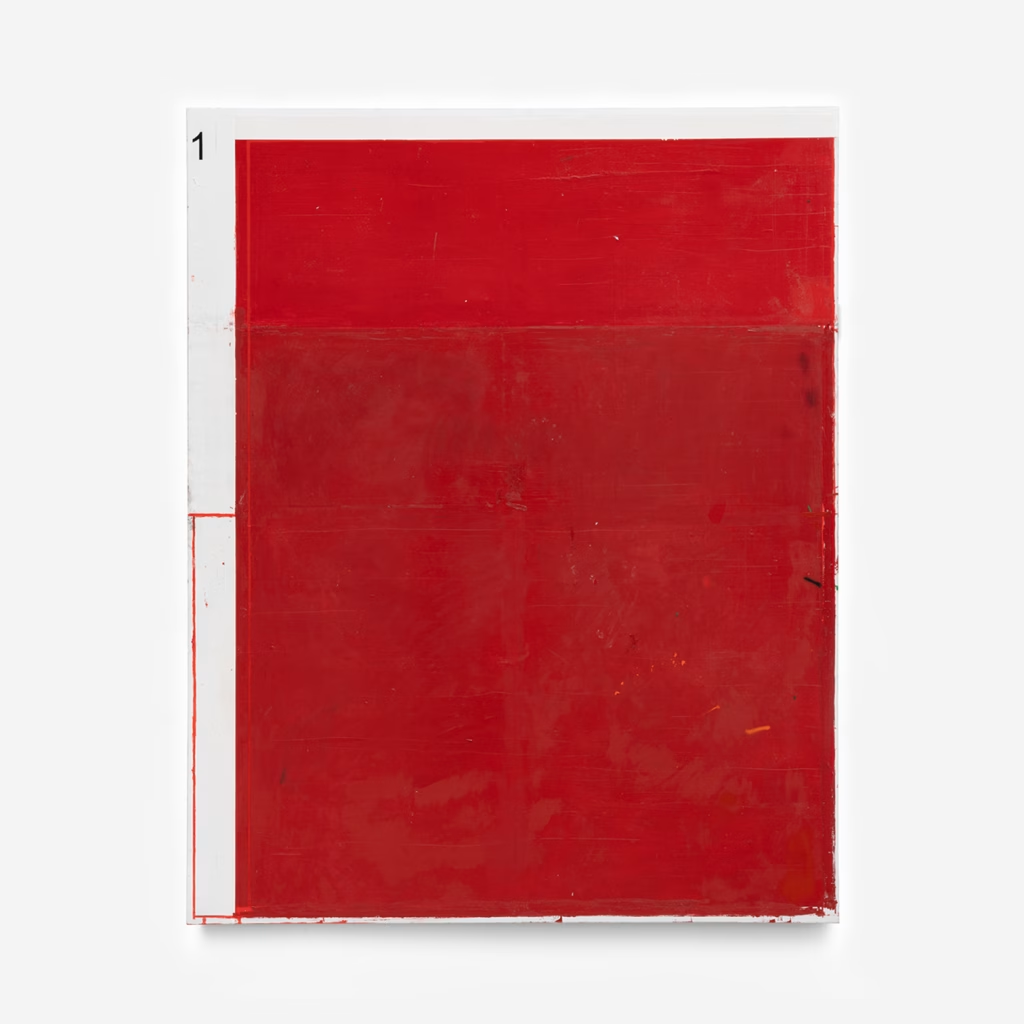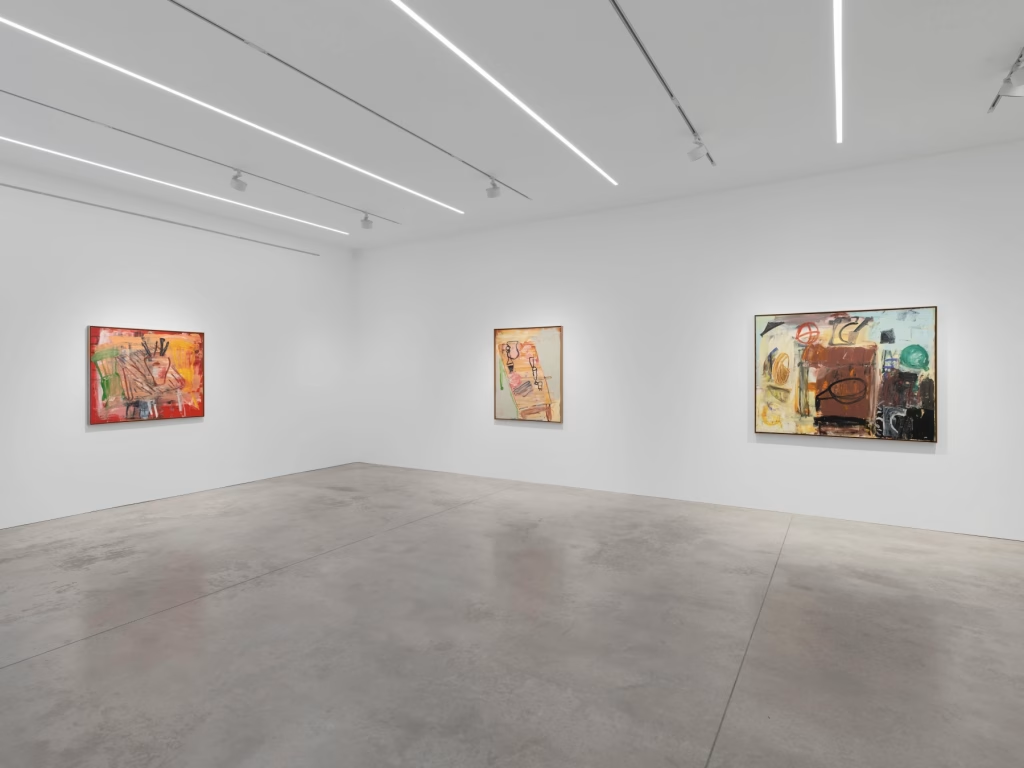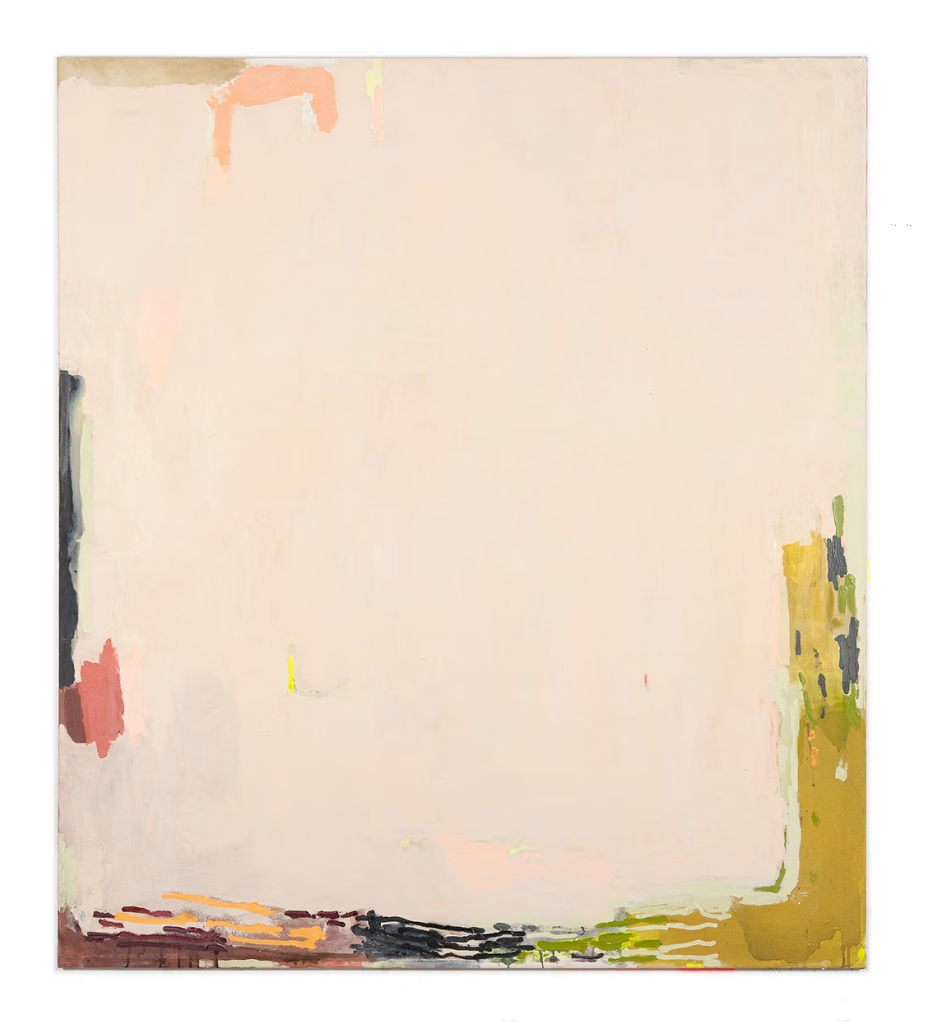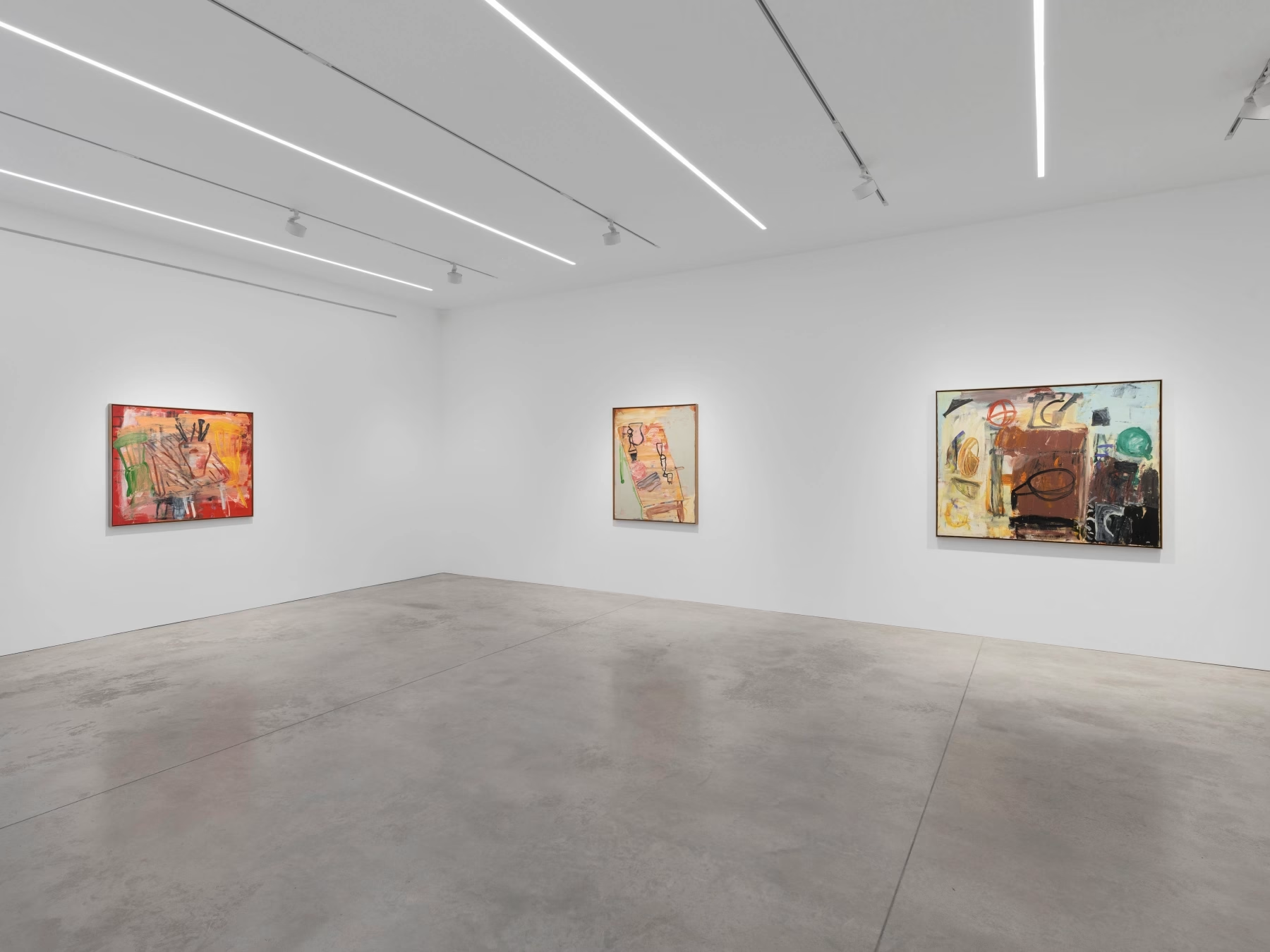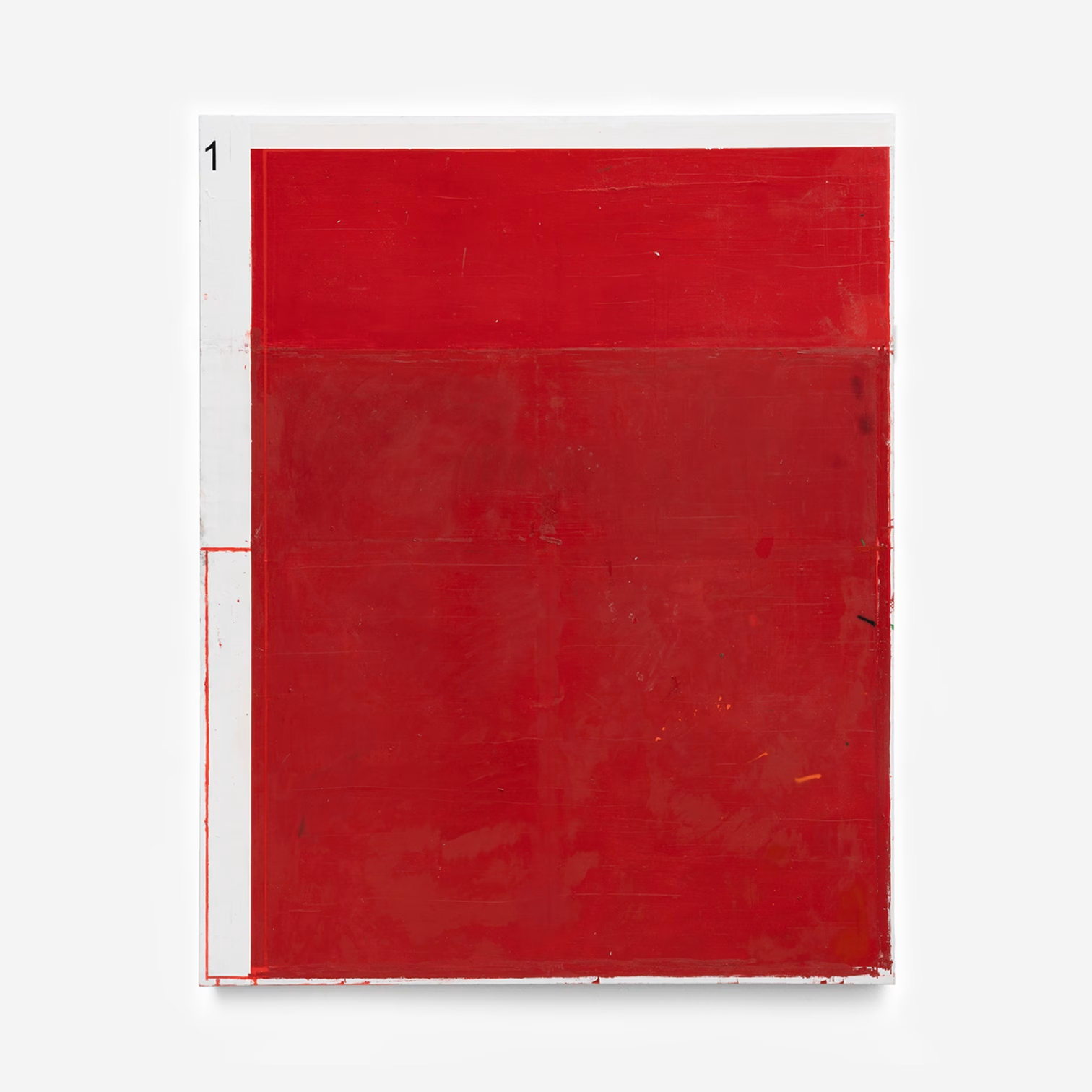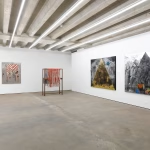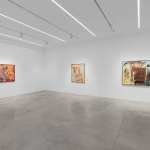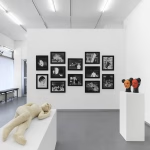


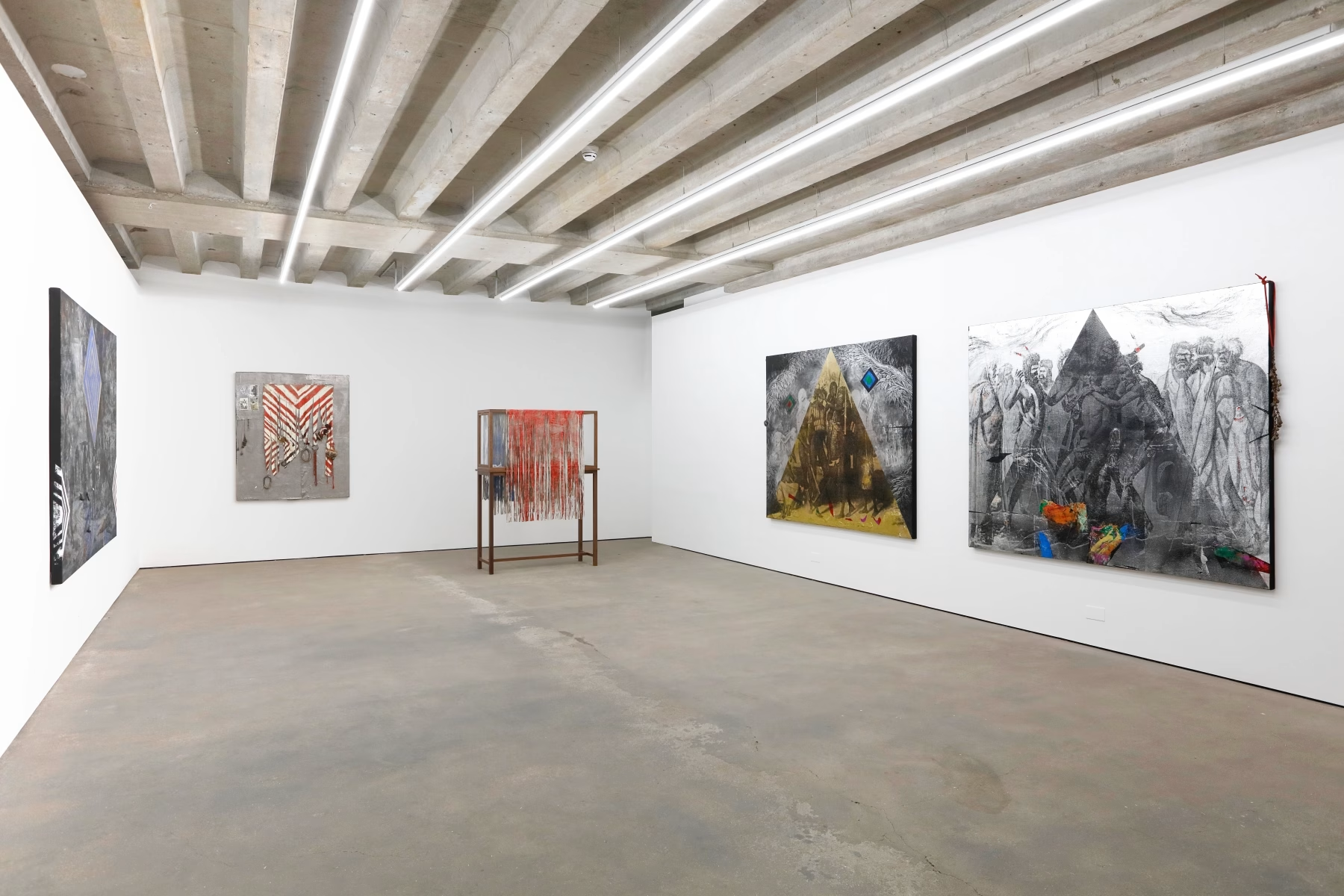
Stepping away from the elegant streets of London’s Grosvenor Hill and through the doors of Ames Yavuz, you are met with one of the most vibrant and staggering voices of Australian contemporary art: Brook Andrew. The exhibition, titled Symbolic Nature, is not only the artist’s debut presentation with the gallery in London but also functions as a solemn memory room where the dusty, diseased visual archives of Western colonialism are ruthlessly deconstructed.
It is impossible to confine Andrew’s practice within the boundaries of a single discipline; using a hybrid language of collage, sculpture, and assemblage, he investigates how images and cultural signs accumulate meaning over time—and how those meanings are dissolved and reactivated today. He specifically takes the Western, romanticized historical representations of his own Wiradjuri Nation and neighboring Indigenous peoples, shattering them and hiding them between layers to question their assumed permanence. The “nature” in the exhibition’s title is not an innocent or aesthetic backdrop; on the contrary, it is a vast arena where historical oppression, assimilation, and cultural dominance have been staged.
Frankly, what struck and cornered me most in the exhibition was how the works ceased to be mere images hanging on a wall, instead constructing a ritualistic, ceremonial space within the gallery. Andrew subtly embeds organic materials that carry cultural memory in their very marrow—from feathers of the Australian magpie (his Wiradjuri totem), the wedge-tailed eagle, and the rosella, to echidna quills and ochre—into the compositions. Through these materials, which he sometimes makes clearly visible and other times intentionally hides behind layers, he imposes an ethics of visibility upon the viewer. In Andrew’s world, nothing is offered to you all at once or easily; meaning reveals itself slowly, only when you grant these objects the respect, attention, and time they deserve.
The strange, floating eyes, listening ears, and celestial forms drifting across the surfaces of the assemblages are far more than surrealist illustrations. They emerge as spiritual metaphors that bear witness to historical destruction, watching the viewer and returning the arrogant gaze of colonialism. By utilizing the symbols and visual language of that era, Andrew turns the weapons of the old masters back upon them.
As we reach the middle of May, I highly recommend visiting Ames Yavuz—not just for aesthetic pleasure, but to confront the disturbing representations of history and to personally experience how the unilateral memory of the West is being overturned.
Brook Andrew’s exhibition, Symbolic Nature, is on view at Ames Yavuz on Grosvenor Hill, London, until May 30, 2026.