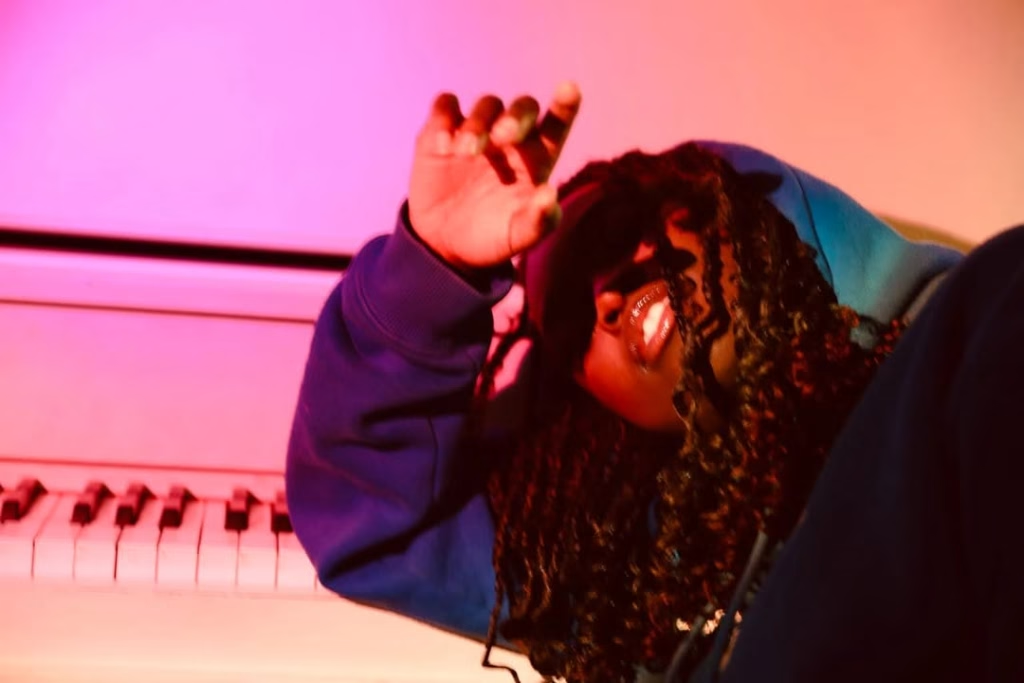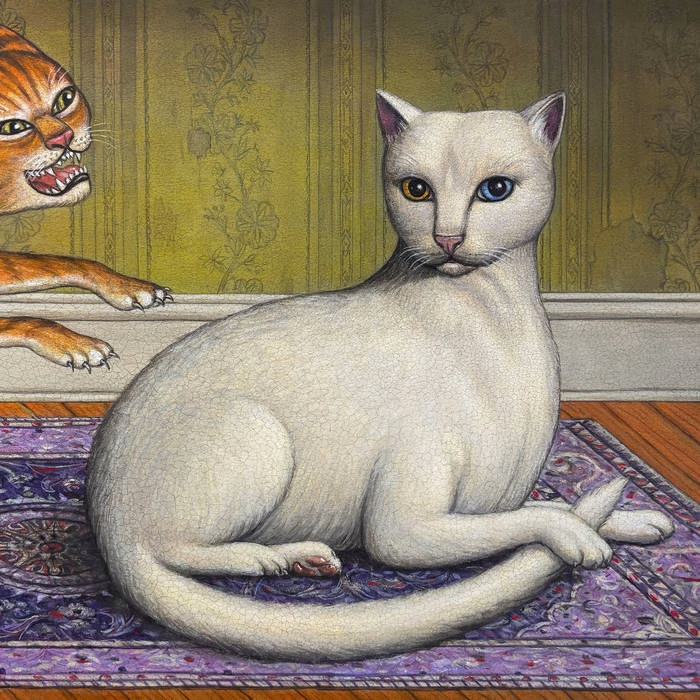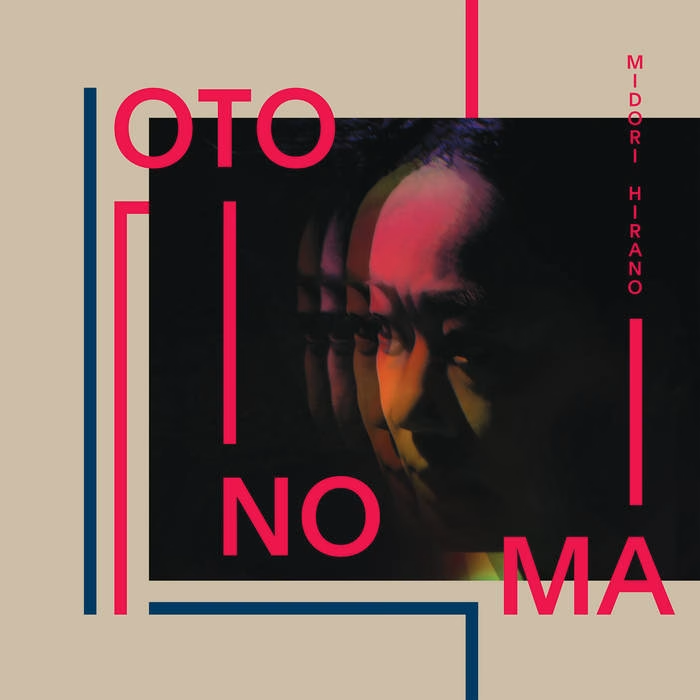


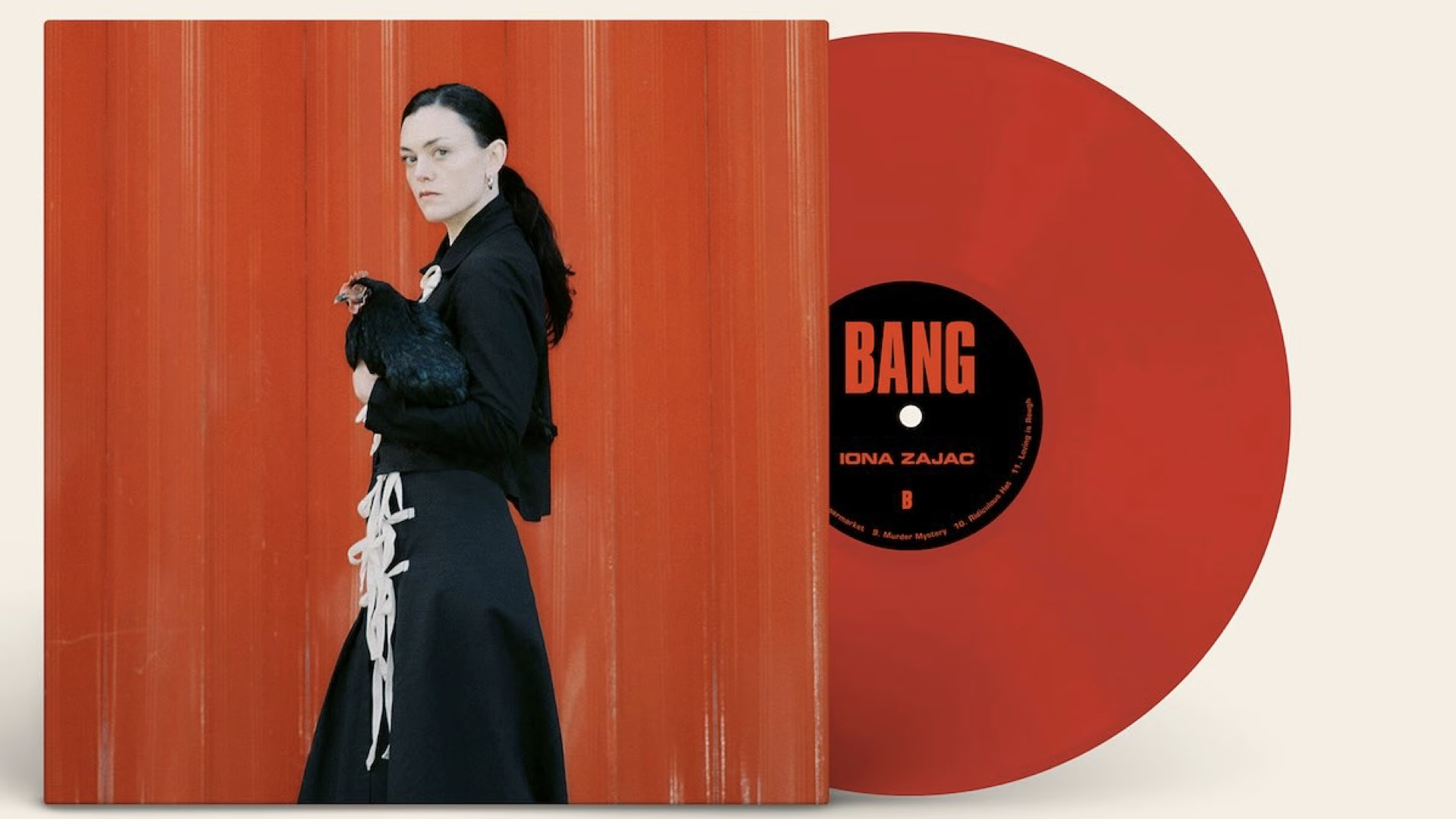
Scottish singer-songwriter Iona Zajac proves with her first album BANG that she is one of those rare artists who can make you stop and replay from the very first second. Certain lines on the record recall artists like Leonard Cohen or Joni Mitchell, musicians whose command of language is so complete they could publish books of poetry.
Until now, Zajac was perhaps best known for her interpretations of other people’s songs, especially her haunting rendition of “I’m A Man You Don’t Meet Every Day” performed on tour with The Pogues. BANG changes that perception in an instant.
The Album’s Narrative Engine: Time, Body, Womanhood
The songs cut across both years and emotions.
“End of the Year” weaves together fragments of memory, summer grass, stolen packets of crisps, a girl made sick by beer, a bird having a heart attack, creating an almost physical nostalgia. You can feel time’s inexorable march pulsing through the track, and Zajac’s fragile acceptance in the final line is one of the album’s most devastating moments:
“I’m not past, but I’m going.”
“Chicken Supermarket” is a magical collage of half-remembered dreams and everyday strangeness; “Murder Mystery” turns that same surrealism into dark suspense.
The title track “Bang” is a playful yet fearless defiance of slut-shaming.
On the other side, the trilogy of “Bowls”, “Dilute” and “Anton” forms a mini-narrative carrying the collective voice of absent consent and trauma. The outburst “Ask her, ask us all” in “Bowls” rises like a ritualistic chant that raises the hairs on your arms.
Sonic World: Contemporary Cracks in Folk
BANG may look like folk on the surface, but every song mutates into something else.
“Bang” and “Murder Mystery” lean into mid-tempo indie-rock shadows.
“Bowls” and “Anton” emerge from ice-cold minimalism and evolve into almost formless, cathartic noise.
“Loving Is Rough” closes the album with a grand, fearless gesture.
At the centre of all these transformations stands Zajac’s voice:
the razor sharpness of a PJ Harvey,
the fragility of a Sibylle Baier,
and a steel-calm detachment that feels like watching from the outside.
BANG proves that Iona Zajac is not merely a promising newcomer; she has arrived, fully formed.
**Apartment No:26 Note:
Zajac makes the distance between language and emotion almost invisible, elevating BANG far beyond a mere debut. The album is one of those rare works that carries the experience of womanhood from the individual to the collective. Especially the sonic weave of the “Bowls” trilogy feels like a harbinger of a darker, more honest era we’ll hear in sound design in 2026.