

Berlin’s iconic modern architectural landmark, the Neue Nationalgalerie, is hosting the captivating world of Constantin Brancusi (1876–1957), the genius who fundamentally transformed 20th-century sculpture. The exhibition, which opened its doors on 20 March and will continue until 9 August 2026, is the first major comprehensive collaboration and retrospective of this exceptional artist to be organised in Germany in the last 50 years. The exhibition is being held under the joint patronage of German President Frank-Walter Steinmeier, French President Emmanuel Macron and Romanian President Nicușor Dan.
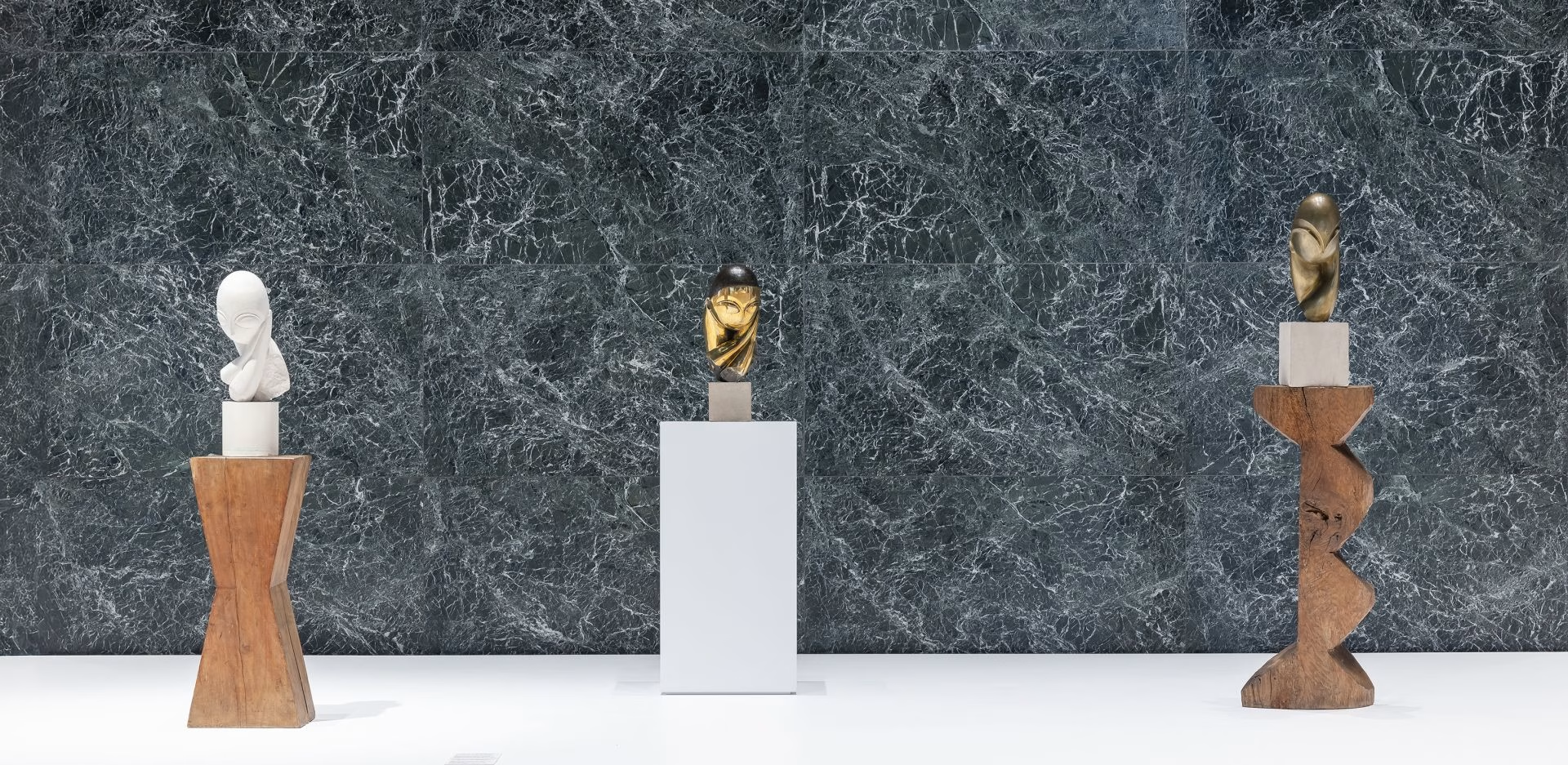
After receiving a traditional academic education in Romania, Brancusi moved to Paris in 1907, where he broke with traditional forms and developed a completely unique, organic and essential style. Recognised as one of the most important pioneers of sculptural abstraction in the early 20th century, the artist constantly experimented with variations of material and surface while pursuing a perfect ideal in his works. Brancusi did not merely carve his sculptures; he also used pedestals, light, movement, and even photography and film as strategic tools to stage his works.
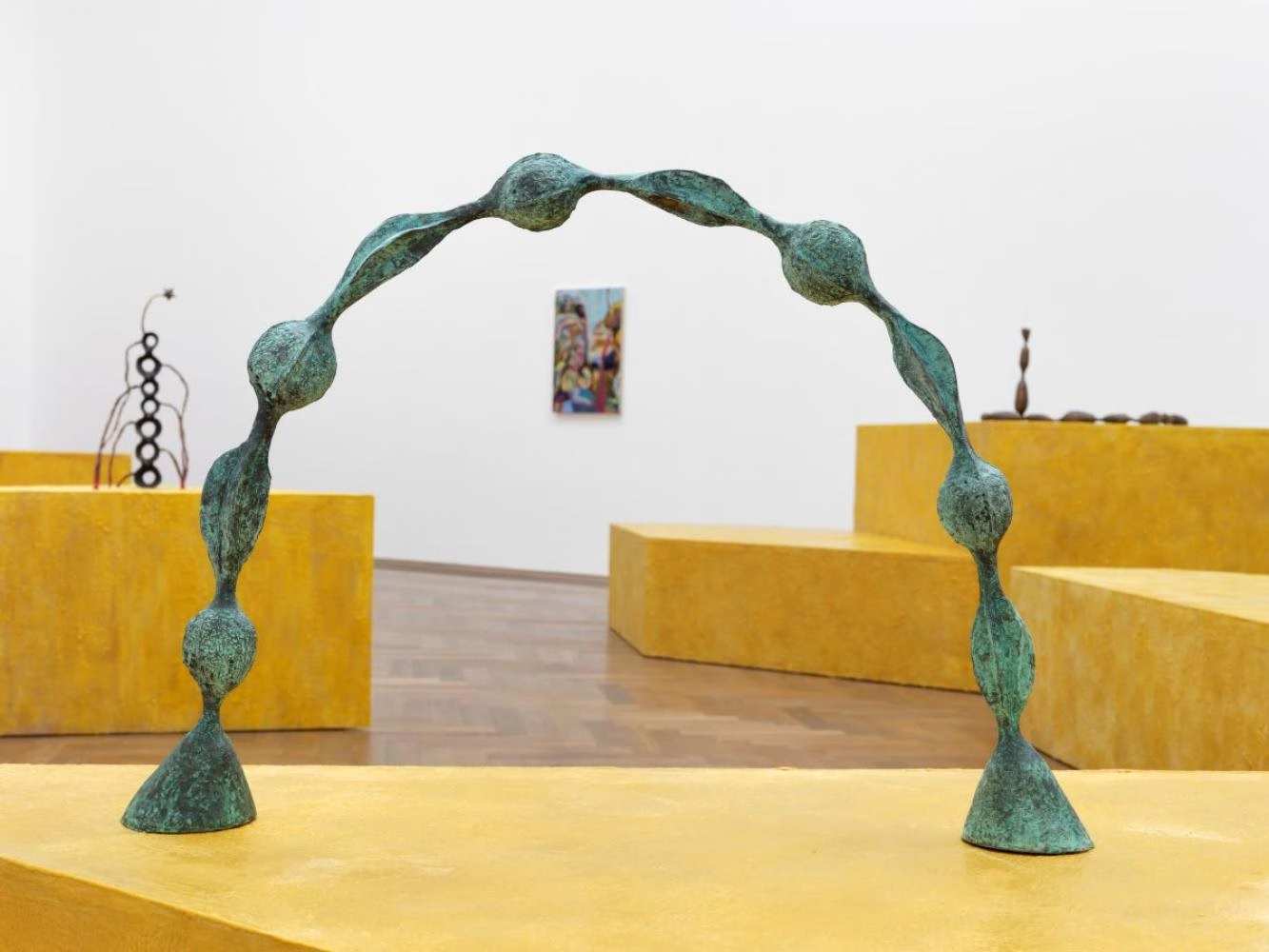
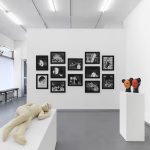
Prepared in collaboration with the Centre Pompidou in Paris, the exhibition brings Brancusi’s multifaceted creativity to Berlin with more than 150 sculptures, photographs, drawings and films. Visitors have the opportunity to see world-famous masterpieces such as The Kiss (Der Kuss), Bird in Space (Vogel im Raum), Sleeping Muse (Schlummernde Muse) and Endless Column (Unendliche Säule) together. This selection is accompanied by rarely seen documents from the Centre Pompidou archives and pieces from international private collections.
One of the biggest surprises of the exhibition is the partial reconstruction of Brancusi’s famous Paris studio, which is on display in the gallery. This sacred workspace, which was bequeathed to the French state in 1957, is being exhibited outside Paris for the first time since then. While Brancusi enjoys great popularity in France, he has been known in Germany mainly within limited circles. In this respect, the exhibition marks a historic turning point in establishing the artist’s well-deserved recognition among German audiences.
The curatorship of this major project is undertaken by Klaus Biesenbach and Maike Steinkamp together with Ariane Coulondre and Valérie Loth, while Nikola Richolt serves as curatorial assistant. With project management by Andre Odier and Sina Jentzsch, the exhibition can be visited until 9 August.