

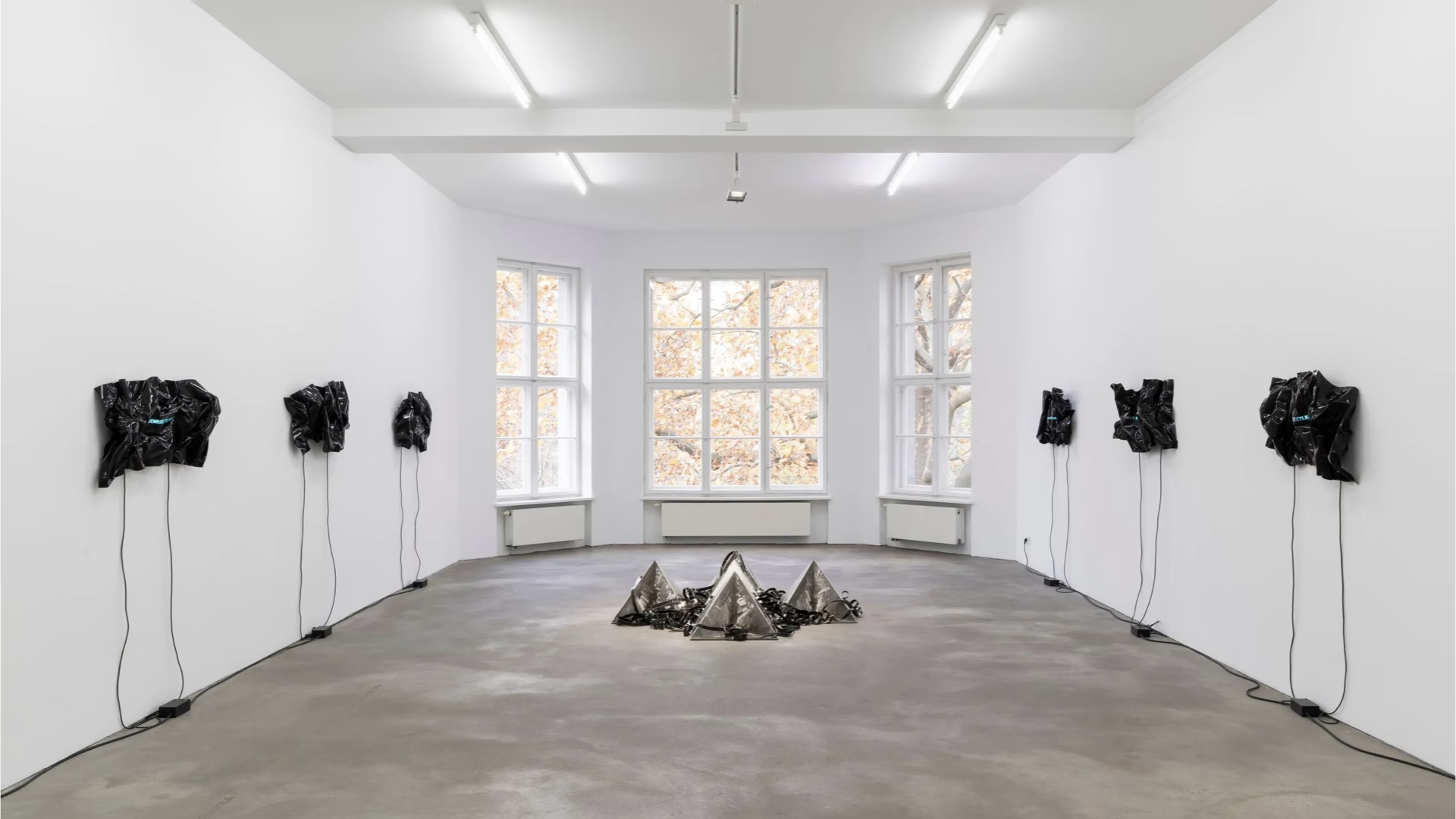
Some artists see beyond their time. Gretchen Bender (1951–2004) was one of them. Sprüth Magers is bringing the artist’s iconic series “Top Ten Grossing Films of 1988”—unseen since its debut in 1989—to Berlin.
The Reality Behind the Neon Lights
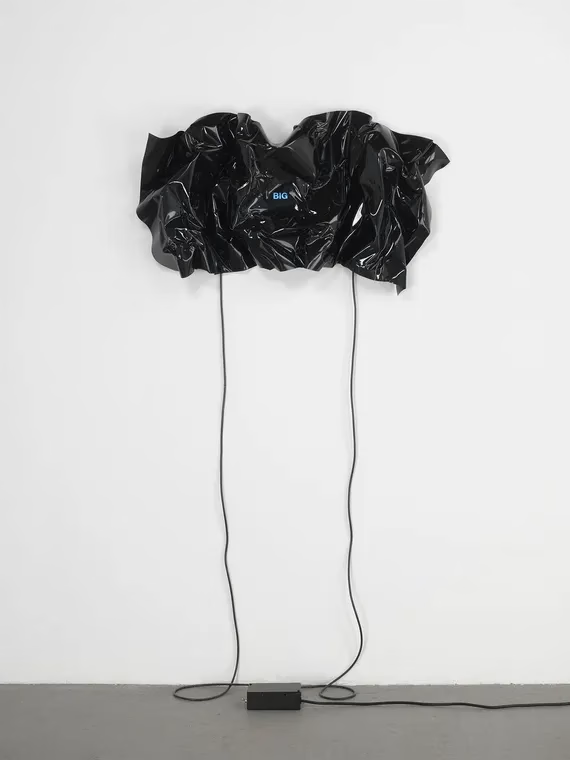
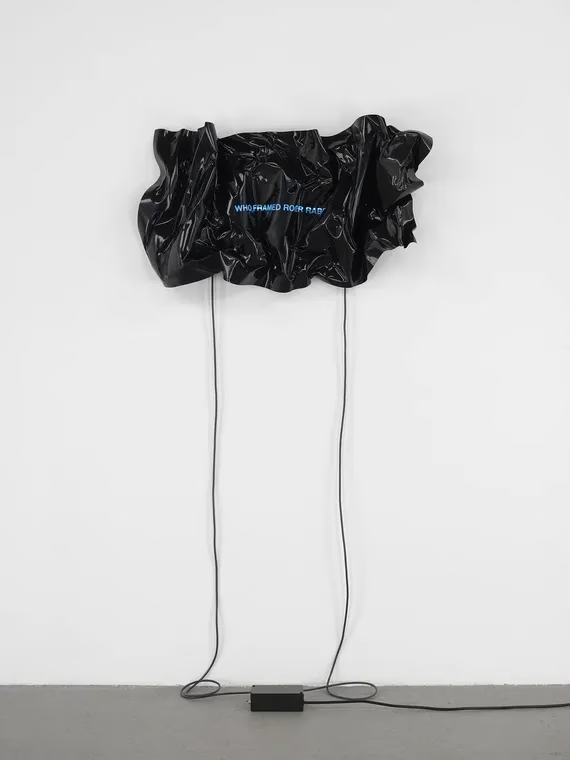
In the gallery’s darkened room, sculptures made of black crumpled vinyl material greet you, with neon lights seeping from behind them. These lights illuminate the titles of the top-grossing films of 1988: Rain Man, Who Framed Roger Rabbit, Coming to America…
But Bender’s aim is not nostalgia. She was a media detective who pored over Hollywood’s industry magazine Variety. She had seen how films were constructed as financial and political “products” long before they were even shot or entered production.
A Critique of Passive Consumption
According to Bender, what is presented as the “entertainment industry” is actually a mask for corporate and financial policies. These ten films were the most successful products of those policies—and monuments to our passive consumption.
Even after 35 years, Bender’s critique remains chillingly relevant today. When we think about how political influences and corporate interests “cut” (cancel culture or censorship) content and personalities, these neon signs appear less like movie posters and more like warning signs.
If you’re in Berlin, don’t miss encountering the political face of entertainment in this exhibition, which runs until April.
- Artist: Gretchen Bender
- Work Title: Political Entertainment (Top Ten Grossing Films of 1988)
- Venue: Sprüth Magers, Berlin
- Dates: Until April 4, 2026
- Themes: Media Criticism, Popular Culture, Hollywood, Neon Sculptures.