

The Nobel Prize in Literature, awarded annually since 1901 by the Swedish Academy, celebrates authors whose works transcend borders, offering profound insights into the human condition. For literature lovers and cultural enthusiasts, these books are not just stories but cultural artifacts that weave together history, emotion, and artistry. In 2025, as we reflect on the literary legacy of Nobel laureates, this guide highlights must-read books from past winners, selected for their accessibility, cultural impact, and timeless relevance.
Why Read Nobel Prize-Winning Books?
The Nobel Prize in Literature honors authors who produce “the most outstanding work in an idealistic direction,” as per Alfred Nobel’s will. These works span novels, poetry, and essays, reflecting diverse voices from South Korea to South Africa, often tackling universal themes like trauma, identity, and resilience. In 2025, with Han Kang’s 2024 win spotlighting Korean literature and ongoing global interest in literary translation, these books offer a gateway to world literature, blending cultural heritage with innovative storytelling. Each title is a cultural milestone, inviting readers to explore literary culture through the lens of humanity’s greatest storytellers.
Must-Read Nobel Prize-Winning Books
Here are five Nobel Prize-winning books that every reader should experience, chosen for their cultural significance, narrative depth, and accessibility, with insights into their literary legacy.
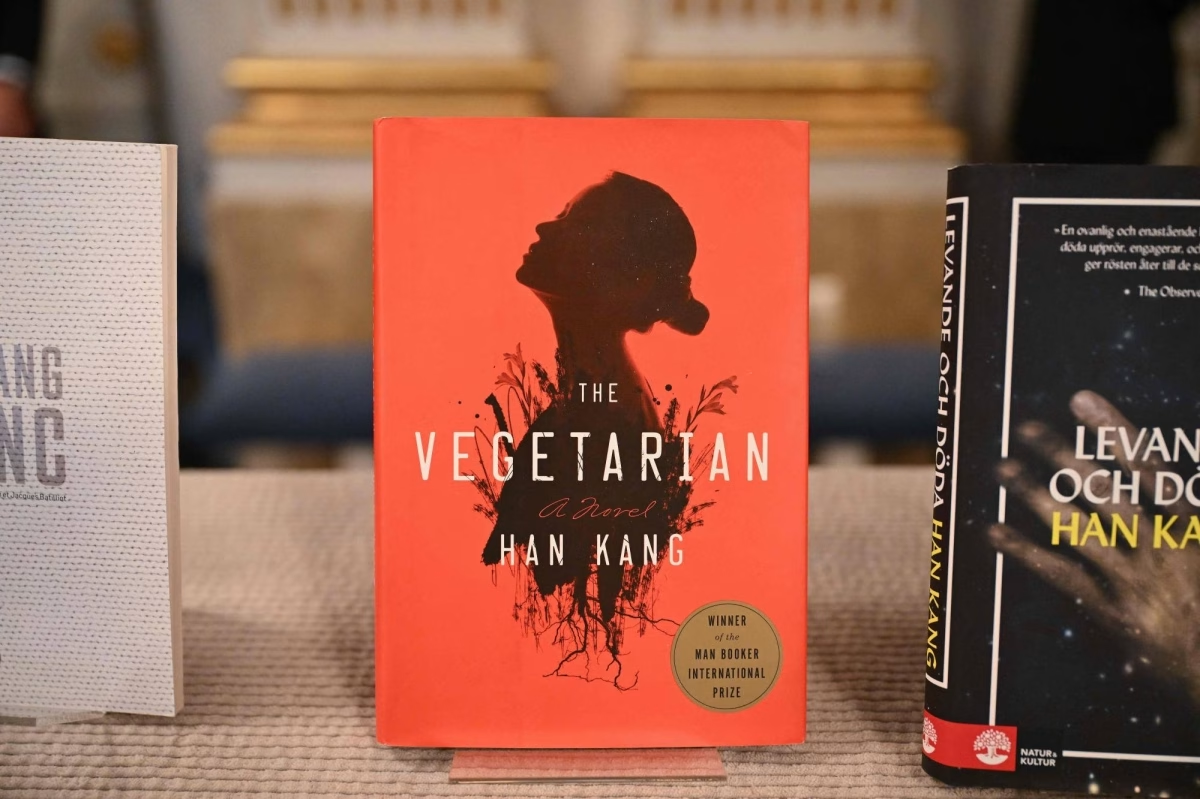
- The Vegetarian by Han Kang (2024 Laureate)
Why Read It? Han Kang, the first South Korean and 18th woman to win the Nobel Prize, was honored in 2024 for her “intense poetic prose that confronts historical traumas and exposes the fragility of human life.” The Vegetarian (2007, translated by Deborah Smith) is a haunting, accessible entry into her work, exploring bodily autonomy and rebellion through Yeong-hye, a woman who rejects meat in a patriarchal society. Its surreal narrative and compact length (188 pages) make it a perfect start for Korean literature fans. The novel’s exploration of vegetarianism, violence, and gender resonates with cultural narratives of resistance, earning it the 2016 International Booker Prize.
- Cultural Highlight: Rooted in South Korea’s cultural tensions, the novel blends Buddhist undertones with modern alienation, reflecting Japanese magical realism influences like Haruki Murakami. Its cinematic adaptation (2025 in development) amplifies its cultural impact.
- Reading Tip: Note the triptych structure, with three perspectives on Yeong-hye’s rebellion, to appreciate Kang’s innovative prose. Pair with her We Do Not Part (2025 English release) for deeper historical context on Korea’s Jeju uprising.
- Where to Find: Available in paperback (~€10), eBook, or audiobook via Penguin Random House or Bookshop.org. Libraries often stock it.

- One Hundred Years of Solitude by Gabriel García Márquez (1982 Laureate)
Why Read It? Awarded the Nobel for his “novels and short stories, in which the fantastic and the realistic are combined in a richly composed world of imagination,” García Márquez’s One Hundred Years of Solitude (1967, translated by Gregory Rabassa) is a cornerstone of Latin American literature. This multi-generational saga of the Buendía family in the fictional Macondo blends magical realism with themes of fate, love, and colonialism. Its lush prose and universal appeal make it a literary masterpiece for world literature enthusiasts.
- Cultural Highlight: The novel mirrors Latin America’s turbulent history, with Macondo as a microcosm of cultural and political upheaval, influencing global magical realism trends. Its iconic opening line is a cultural touchstone.
- Reading Tip: Keep a family tree handy to track the Buendías across generations. Savor the poetic imagery, like yellow butterflies, for a full cultural narrative experience.
- Where to Find: Widely available in paperback (~€12) or eBook via HarperCollins or Amazon. Check indie bookstores for annotated editions.

- The Remains of the Day by Kazuo Ishiguro (2017 Laureate)
Why Read It? Kazuo Ishiguro, honored for “novels of great emotional force” that uncover “the abyss beneath our illusory sense of connection,” delivers a subtle masterpiece in The Remains of the Day (1989). This introspective novel follows Stevens, a butler reflecting on his life and unrequited love in post-war England. Its restrained prose and exploration of duty versus desire make it a gem for modern literature fans seeking British literary tradition.
- Cultural Highlight: The novel captures England’s class system and post-war decline, with Stevens’ unreliable narration reflecting cultural repression. Its 1993 film adaptation (starring Anthony Hopkins) enhances its cultural legacy.
- Reading Tip: Pay attention to Stevens’ memories versus reality to unpack Ishiguro’s narrative subtlety. Pair with Never Let Me Go for a broader view of his emotional depth.
- Where to Find: Available in paperback (~€10) or eBook via Faber & Faber or Book Depository. Libraries often carry it.

- The Bluest Eye by Toni Morrison (1993 Laureate)
Why Read It? Toni Morrison, the first Black woman Nobel laureate, was celebrated for “novels characterized by visionary force and poetic import.” The Bluest Eye (1970) is her debut, a heartbreaking tale of Pecola Breedlove, a young Black girl yearning for blue eyes in 1940s America. Its lyrical prose and unflinching look at race, beauty, and trauma make it a must-read for African American literature enthusiasts.
- Cultural Highlight: The novel challenges Eurocentric beauty standards and exposes systemic racism, resonating with cultural narratives of identity and resilience. Its influence endures in 2025 discussions on diversity in literary culture.
- Reading Tip: Note Morrison’s use of multiple narrators to reflect fragmented perspectives. Pair with Beloved for a deeper dive into her literary legacy.
- Where to Find: Available in paperback (~€11) or eBook via Vintage Books or Amazon. Widely available in libraries.

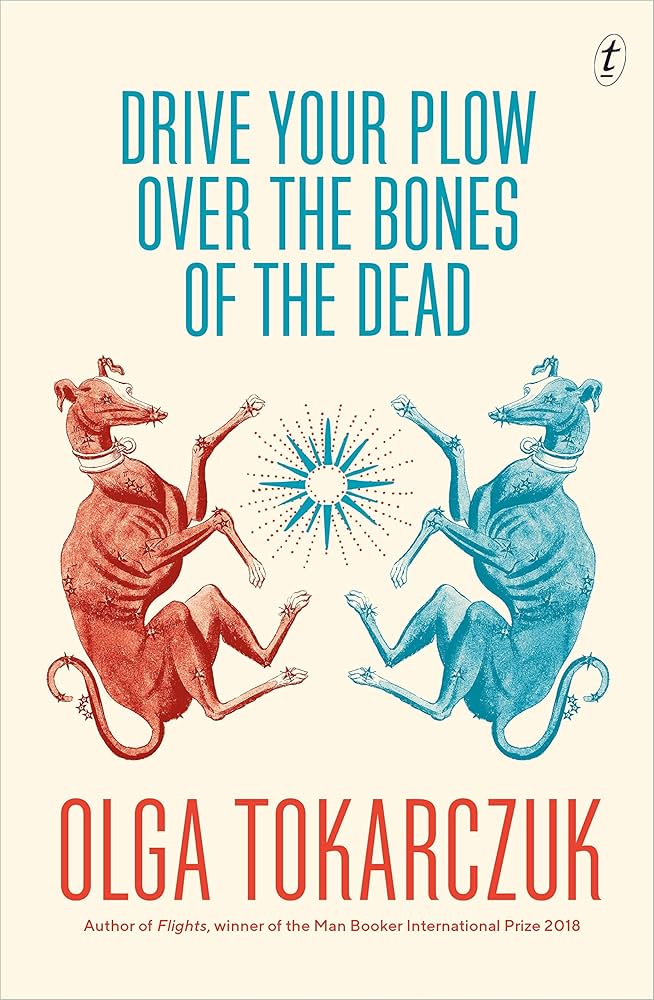
- Drive Your Plow Over the Bones of the Dead by Olga Tokarczuk (2018 Laureate)
Why Read It? Olga Tokarczuk, awarded for her “narrative imagination that with encyclopedic passion represents the crossing of boundaries,” offers an accessible yet profound read in Drive Your Plow Over the Bones of the Dead (2009, translated by Antonia Lloyd-Jones). This Polish eco-thriller follows Janina, an eccentric astrologer investigating murders in a remote village. Its blend of mystery, feminism, and environmentalism appeals to modern literature fans.
- Cultural Highlight: Rooted in Polish literary tradition, the novel critiques anthropocentrism and patriarchy, with William Blake’s poetry woven into its philosophical core, making it a cultural bridge in world literature.
- Reading Tip: Enjoy the quirky humor and ecological themes, and note Tokarczuk’s playful narrative structure. Pair with Flights for her experimental style.
- Where to Find: Available in paperback (~€12) or eBook via Fitzcarraldo Editions or Bookshop.org. Check libraries for translated copies.
Why These Books Matter
These Nobel Prize-winning books span continents and genres, from Korean literature’s poetic intensity to Latin American magical realism and African American narratives. They reflect the Nobel’s mission to honor works that benefit humanity, tackling universal themes—trauma, identity, love—through unique cultural lenses. In 2025, as Han Kang’s win highlights literary translation and global interest in world literature grows (evidenced by the International Booker Prize’s 442% sales boost for winners), these books remain vital cultural touchstones.
How to Approach Your Reading Journey
- Start with The Vegetarian: Its brevity and emotional depth make it an accessible entry into Korean literature and modern literary fiction.
- Explore One Hundred Years of Solitude: Dive into Latin American literature for a vibrant, magical journey that’s both universal and culturally rich.
- Savor The Remains of the Day: Perfect for British literary tradition fans, its understated elegance invites reflection on personal and cultural duty.
- Engage with The Bluest Eye: Confront its raw truths about race and beauty, ideal for readers of African American literature seeking social commentary.
- Conclude with Drive Your Plow: Its quirky mystery and ecological themes offer a fresh take on Polish literary tradition and world literature.
Where to Find These Books
- Bookstores: Indie shops like Kinokuniya or Queen’s Park Books stock these titles. Check Bookshop.org for local options.
- Online: Amazon, Book Depository, or Penguin Random House offer paperbacks, eBooks, and audiobooks (~€9–15). Kindle often has deals.
- Libraries: Most libraries carry these classics; use WorldCat.org to locate copies.
- Events in 2025: Look for literary festivals like the Istanbul Book Fair (March 2025) or Berlin’s Literaturfestival (September 2025) for discussions on Nobel Prize-winning books.
Practical Tips for Readers
- Budget: Paperbacks cost €9–15; eBooks are cheaper (~€6–10). Libraries and secondhand shops (e.g., Berlin’s St. George’s Bookshop) offer budget options.
- Reading Pace: Start with shorter works (The Vegetarian, 188 pages) before tackling longer ones (One Hundred Years of Solitude, 417 pages).
- Translations: English translations by Gregory Rabassa, Deborah Smith, and Antonia Lloyd-Jones ensure accessibility. Check translator notes for cultural nuances.
- Cultural Immersion: Visit exhibitions like those at Tokyo’s Literature Museum or Berlin’s KW Institute, which often feature world literature themes in 2025.
Final Note
Nobel Prize-winning books are more than literary achievements—they’re cultural beacons illuminating the human experience. From Han Kang’s poetic exploration of trauma to Toni Morrison’s searing critique of beauty standards, these works invite literature lovers to engage with cultural narratives that resonate across time and borders. Start your reading journey with these literary masterpieces and discover why they’re essential to modern literature and world literature.
Stay tuned to our site for more literary culture guides and share your Nobel Prize reading adventures at editor@no-26.com!