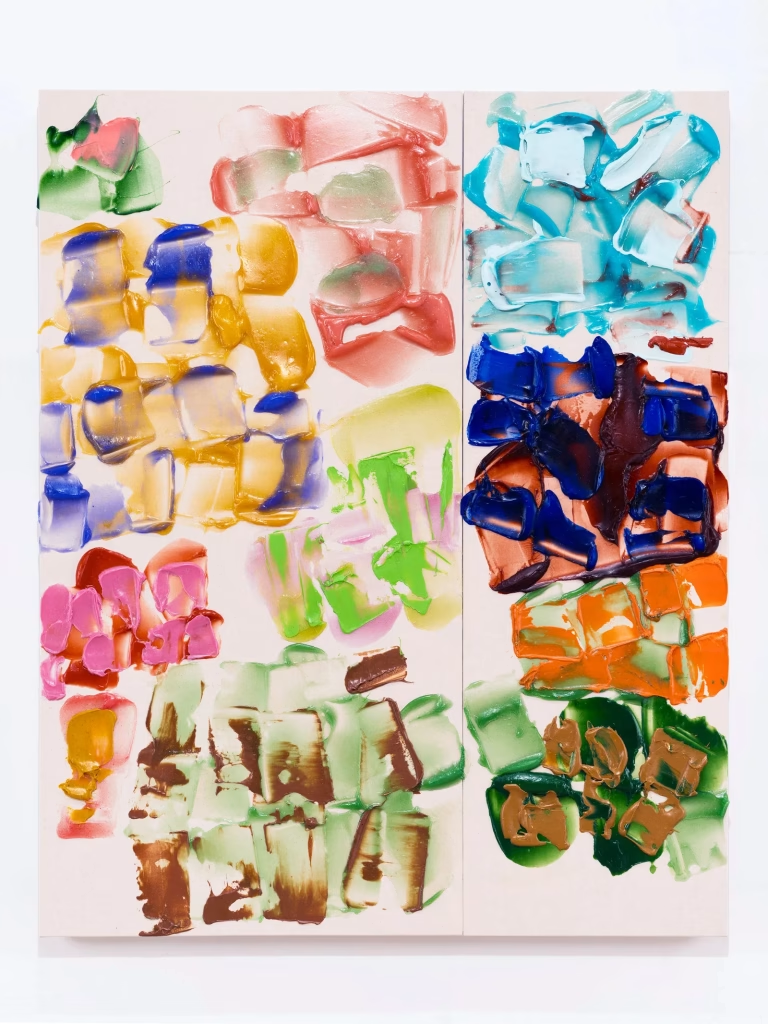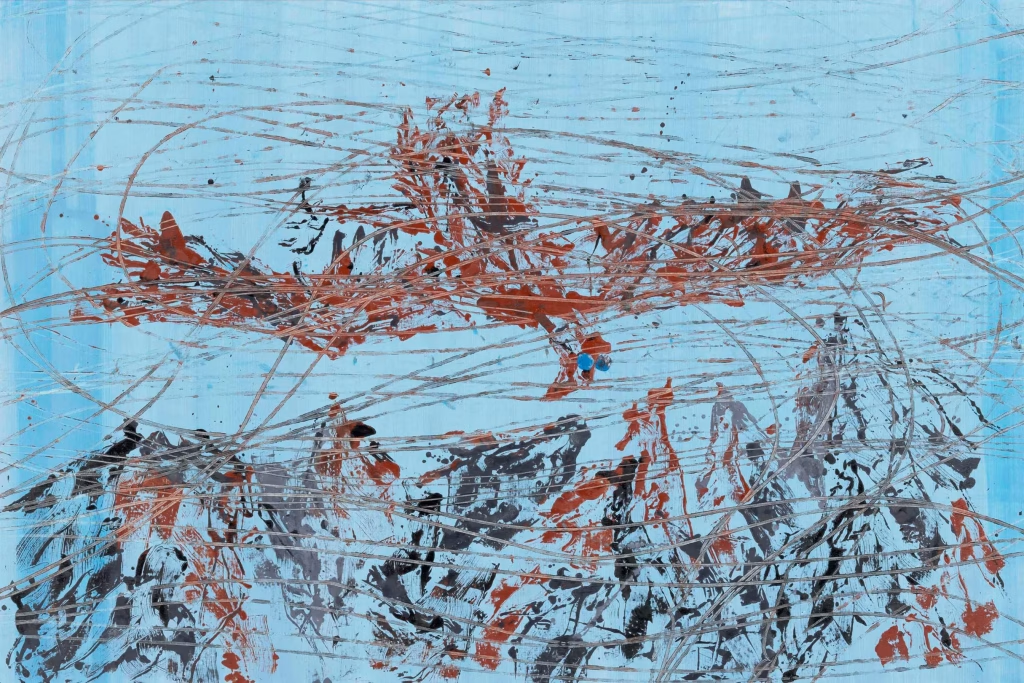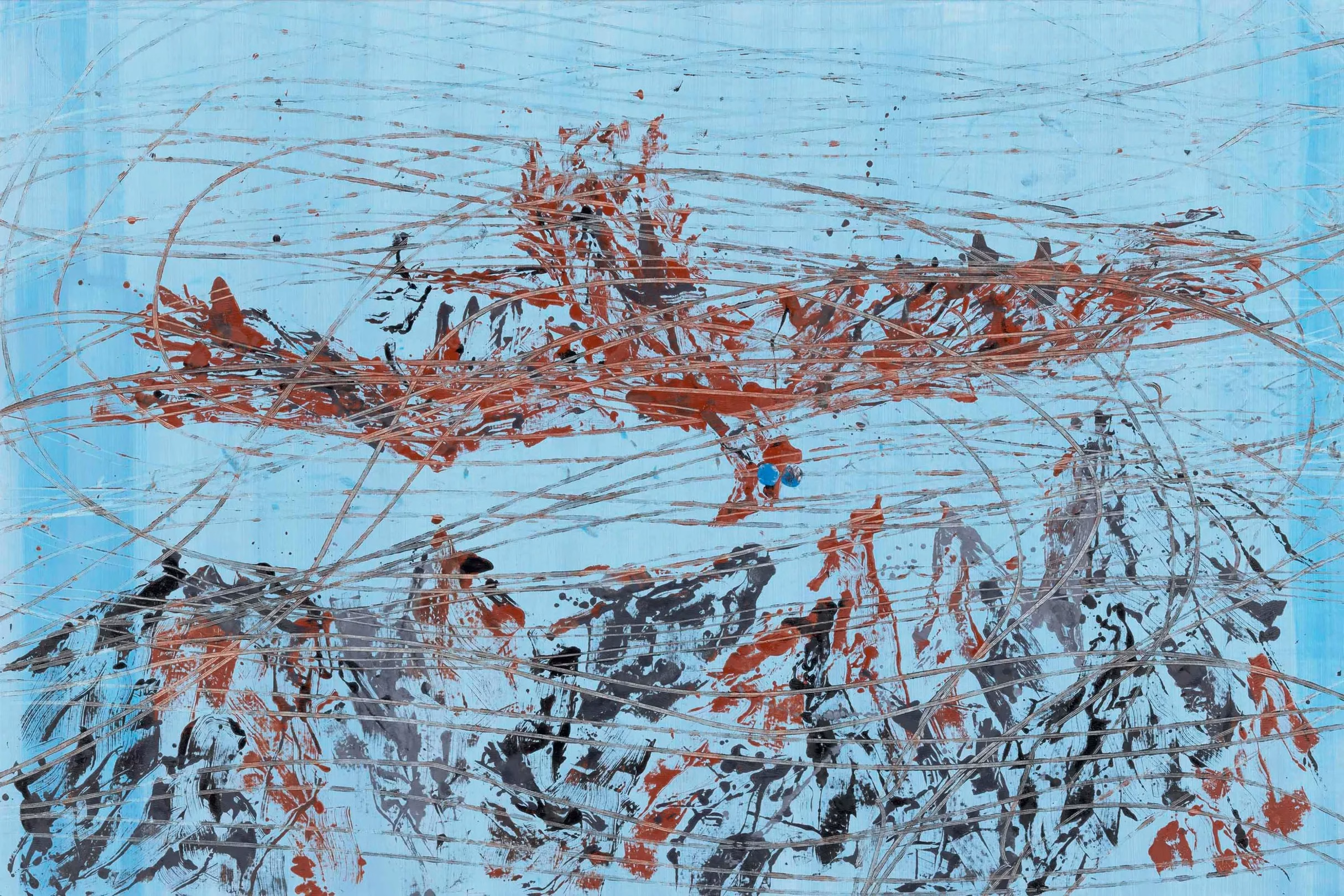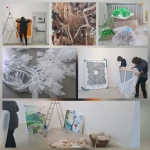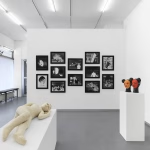


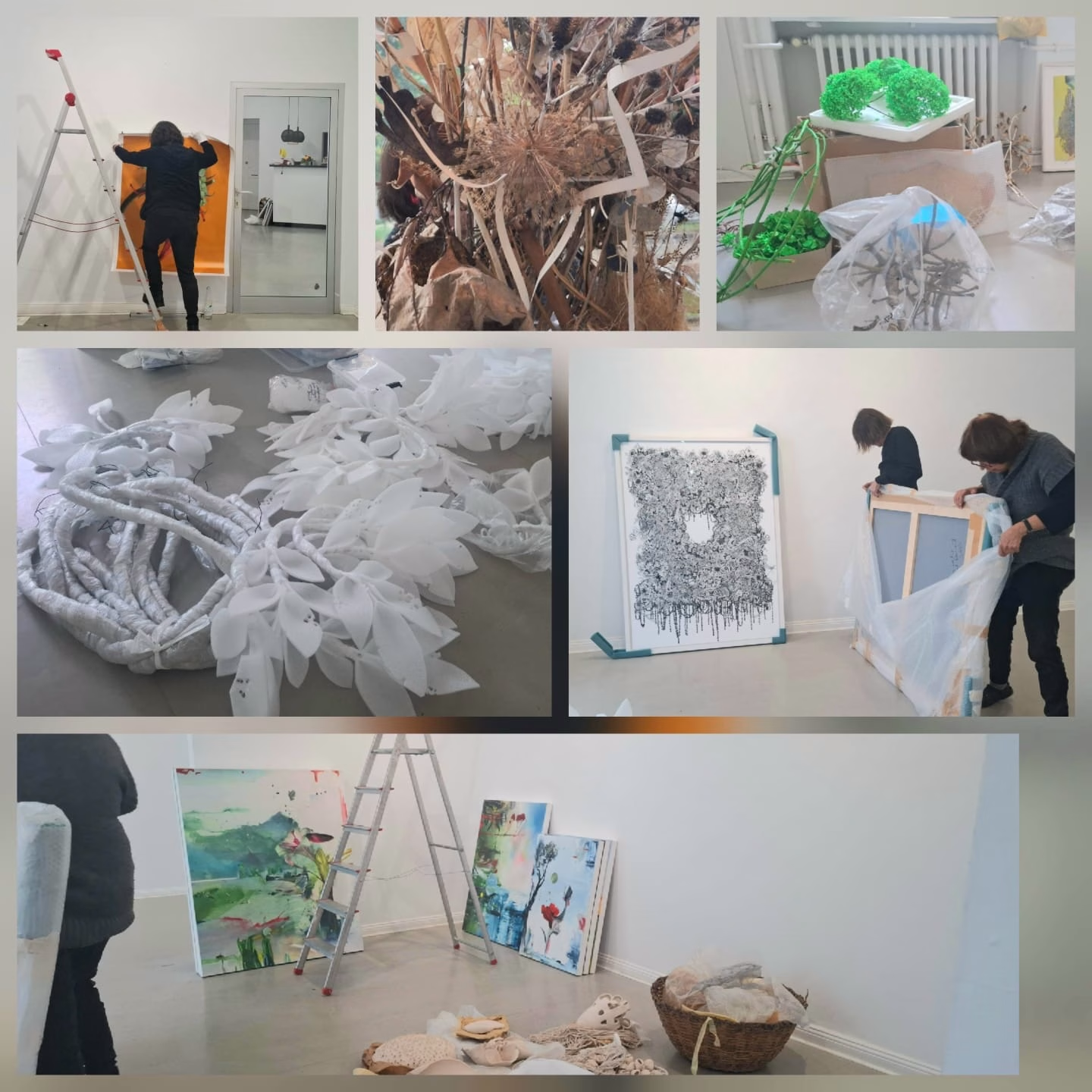
As the late afternoon sun hits Schöneberger Ufer in Berlin, city residents are in for an unusual, uncanny experience of nature. Opening its doors this evening at 7:00 PM, the Galerie Verein Berliner Künstler (VBK) is preparing to demolish all the romantic, pastoral, and tame illusions deeply etched into our minds regarding nature with its group exhibition titled BLÜHEND UN_GEZÄHMT (Blooming Untamed).
Forget entirely about that flawless, balanced, and peaceful image of nature found on postcards or Instagram feeds. In this exhibition, nature confronts us as a wild organism that invades without boundaries, decays, shatters rules, and completely evades human control. In the eyes of these artists, beauty is merely a transient moment; immediately after, that familiar aesthetic surrenders its place to the uncanny—and to that which is as attractive as it is uncanny (Das Unheimliche). Composed of ten artists, this dynamic group takes organic growth literally to its extreme limits.
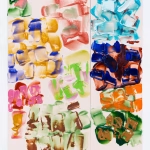
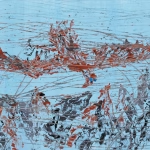
Brought together under the curatorship of Jutta Barth and Birgit Borggrebe, the ten artists do not merely imitate and depict nature from a distance. On the contrary, they dissect its anatomy, exaggerate it, deform its shapes, and reassemble it according to its own rules:
- Fremdartige Wesen (Foreign Beings): The delicate flowers and leaves we are accustomed to transform into unimaginable foreign creatures across the canvases and installations.
- Ecological Pressure and Chaos: In today’s world besieged by global crises and ecological pressures, the exhibition places nature before us exactly as it is—namely unpredictable, contradictory, and threatening. This is a radical artistic rejection handed to the notion of alignment and harmony.
A Cryptic Detail: The “Underscore”
If you caught yourself wondering about that mysterious underscore in the exhibition’s title (UN_GEZÄHMT), you have likely sensed that the organizers also have a bone to pick with linguistics and conceptual boundaries. As part of the exhibition program, Joachim Kays will deliver a talk titled “Der kryptische Unterstrich” (The Cryptic Underscore) on Sunday, June 7, at 4:00 PM. This is a must-add stop on the calendar for anyone curious about what this hidden symbol between visual arts and conceptual language means, and how it reconciles with the untamable structure of nature.
Following the buzz of Berlin’s famous gallery weekend, witnessing nature’s wild and uncontrolled growth in this gallery overlooking the calm waters of Schöneberger Ufer offers a wonderful opportunity to view our human-centric world from the outside.
Exhibition Details:
- Venue: Verein Berliner Künstler (VBK), Schöneberger Ufer 57, 10785 Berlin
- Exhibition Dates: May 23 – June 14, 2026 (Opening: Friday, May 22, at 7:00 PM)
- Curators: Jutta Barth, Birgit Borggrebe
- Special Event: Talk by Joachim Kays on Sunday, June 7, 2026, at 4:00 PM.
- Participating Artists: Tina Tahir, Catrin Wechler, Frank Rödel, Bernadette Schroeger, Jutta Barth, Sandra Schmidt, Claudia Hartwig, Birgit Borggrebe, Lupe Godoy, Marion Angulanza.