

- Location: Bomontiada
- Dates: Running until October 11, 2026
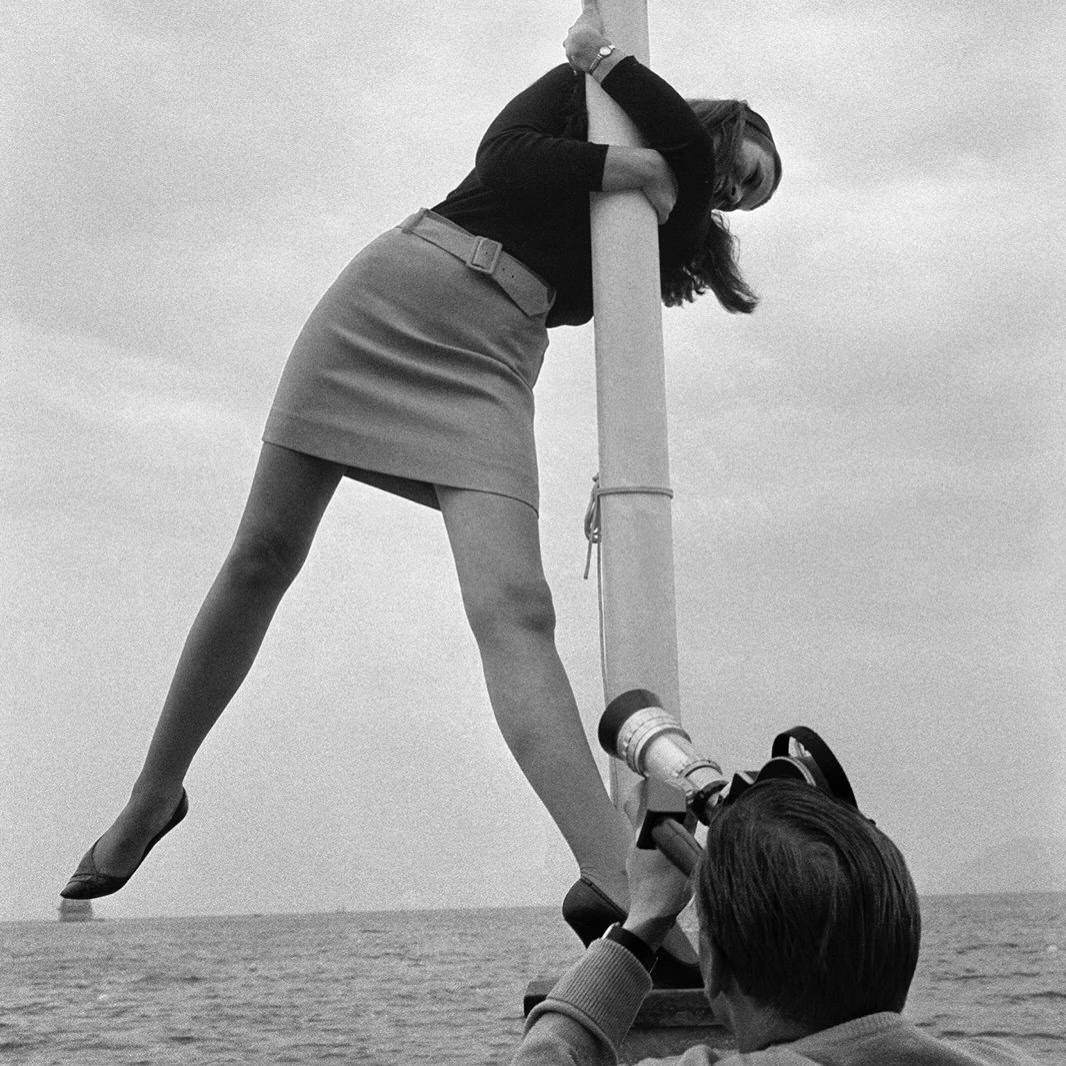
Ara Güler first stepped into Cannes on an assignment in 1957; the photographs he was to take were to be published in the Yeni İstanbul newspaper and Hayat Magazine. However, this initial contact eventually turned into a passion, and the master photographer returned to Cannes regularly during festival seasons in the years that followed. He was no longer just a reporter doing his job; he was someone who deeply loved cinema, formed rooted friendships with filmmakers, and felt entirely at home in the glittering atmosphere of La Croisette.
Frames Emerging from the Archive for the First Time
The most significant detail that makes this exhibition special is that all the photographs featured are emerging from the Ara Güler archive for the very first time. These frames, which remained in the dark for decades and have never been seen before, are now meeting the audience at bomontiada. The selection before us is far from the standard, cold documentary service of a news agency; it is a deeply personal reflection of how Ara Güler perceived Cannes, what exactly he looked at within that massive festival crowd, and who he chose to “be” when he pressed the shutter.
A Composition in Three Acts: Stage, Festival, and Celebration
The exhibition greets the visitor with three distinct conceptual sections:
- Stage: Moments where the beaches of La Croisette, luxury hotels, and the never-ending crowds transform the festival into what feels like a massive film set.
- Festival: Film screenings, press conferences, award ceremonies, and the tense waits where the fine line between the “viewer” and the “viewed” becomes blurred.
- Celebration: The nightlife flowing in the background of the festival, glittering parties, and private invitations.
A Gaze Focused on Faces Before Names
The exhibition includes frames of some of the most iconic figures in cinema history, such as Brigitte Bardot, Sophia Loren, Princess Grace Kelly of Monaco, Federico Fellini, Orson Welles, Jean Cocteau, Michelangelo Antonioni, and François Truffaut. However, the real matter here is not the magnitude of the names or the glamour of the stars. Güler does not photograph these legends under the artificial spotlights of the red carpet; he captures them in moments of waiting backstage, hurriedly lighting a cigarette, or calmly sipping their coffee. The gaze reflected through his lens is not that of a passionate fan or an overly intimate friend. It is the gaze of a curious stranger—a master interested more in the real stories those faces tell than in their titles.
The Intersection of Photography and Journalism History
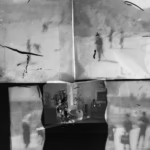
The captivating photographs in the exhibition are accompanied by original clippings from newspapers of the period, contact sheets, and historical press cards belonging to Ara Güler. These valuable archival materials allow the exhibition to be experienced not only as a reading of art and photography history but also as a living history of journalism.
- Venue: Ara Güler Museum · bomontiada, Silahşör Cad. No:1, Şişli
- Visiting Hours: Tuesday–Saturday 10:00–18:00 · Sunday 12:00–18:00 · Closed Mondays
- Admission: Free