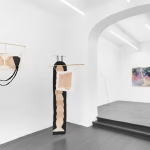


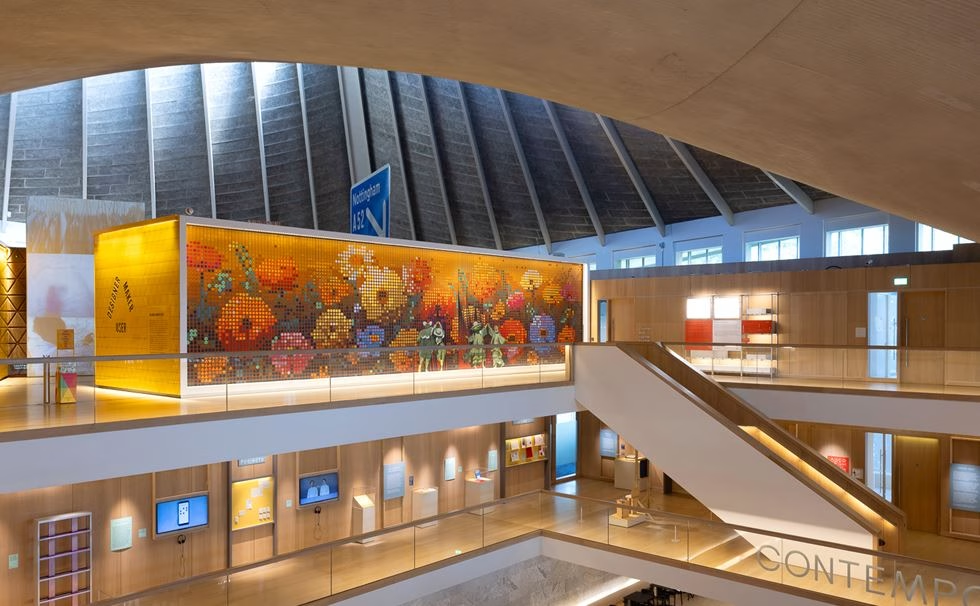
We are standing in front of a mesmerizing installation on the second floor of the London Design Museum, where the cold pixels of technology intertwine with the warm intimacy of ancient folk tales. Created in collaboration between Space Popular (Lara Lesmes and Fredrik Hellberg) and architectural historian Shumi Bose, “Fables for our Time” reimagines three ecosystems critical to the survival of our planet—bees, corals, and fungi—as modern “fables.”
This triptych work is not merely a visual feast; it is also a profound visual research project commissioned by the Future Observatory as part of its green transition research efforts.
Rotating Prisms and Layered Narratives
The most striking feature of the work is the display of 176 rotating prisms (tri-wall elements). As visitors walk past the prisms, they journey between three distinct stories, each composed of three different layers:
- Foreground: The storytelling layer, where narrators speak on behalf of natural systems.
- Midground: Panoramic friezes presenting broad views of the ecosystems.
- Background: An “otherworldly” view visualizing natural phenomena and scientific data (electromagnetic waves, sound frequencies).
Emoji Mosaic: A Digital Tapestry
When you look closely at the pieces, you realize that what appears from a distance as flower fields or coral reefs is actually composed of thousands of tiny emoji icons. This pixelated appearance evokes traditional cross-stitch embroidery, while the icons used reflect the contradictions of our modern world.
Among the specially designed emojis are not only cells and species, but also batteries, cigarette butts, and Wi-Fi symbols. This quietly yet powerfully illustrates how human intervention and technological pollution have become entangled with natural systems.
The Three Vital Systems Explored
The exhibition brings together the complex intelligence of biological networks under three main headings:
- Bee Colonies: The pinnacle of cooperation and resource sharing. Behind the prisms, sound wave patterns represent the electromagnetic connection between bees and flowers. Bees “listen” to the faint electrical hum emitted by flowers to sense whether they are ready for pollination.
- Coral Reefs: A healthy reef produces a “bubbly and crackling” sound that attracts tiny larvae. The work visualizes these sound patterns to emphasize the biological diversity of corals and the urgent need for their sustainable protection.
- Mycelial Networks: Known as the “Wood Wide Web,” these underground communication channels manage nutrient cycles and information flow between trees and plants. The patterns behind the fungi frieze represent these vast chemical highways.
“Fables for our Time are modern tales that advocate for the priority of nature in the human story.”