

The Radical Manifestation of the Subject: Tracey Emin Retrospective at Tate Modern

The art world is focused on a massive retrospective that will shed light on the forty-year career of Dame Tracey Emin, one of the most unsettling figures of late 20th- and early 21st-century British art. The Eyal Ofer Galleries at Tate Modern are preparing to examine Emin’s methodological evolution—from autobiographical radicalism to pictorial sublimation—starting 27 February 2026. This exhibition is not merely a retrospective; it serves as a comprehensive inventory of the aesthetic presence of the intimate in the public sphere.
Autobiographical Radicalism and the Aesthetics of Confession
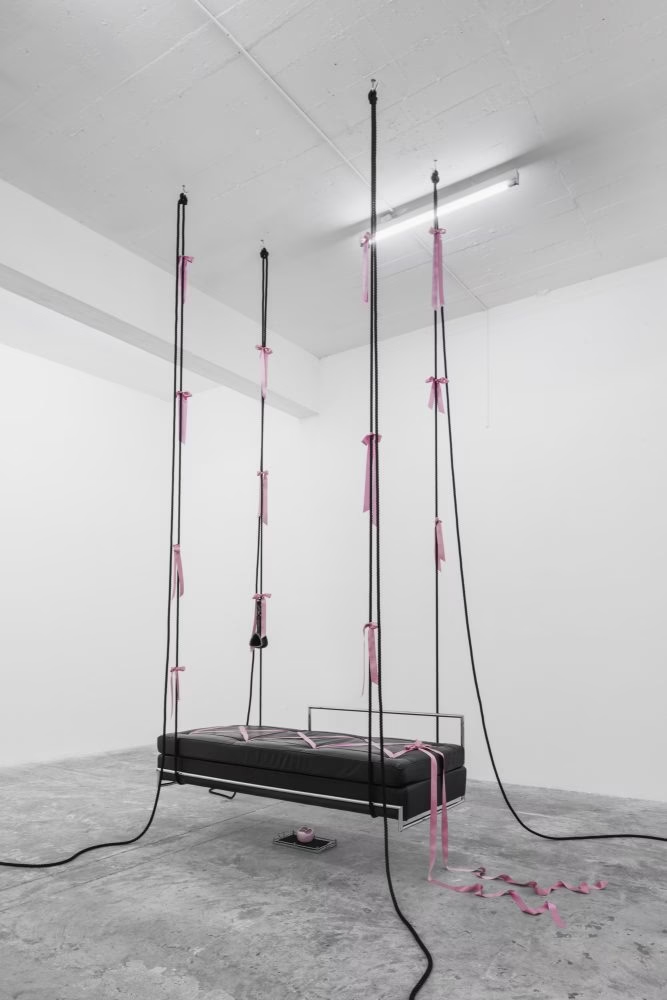
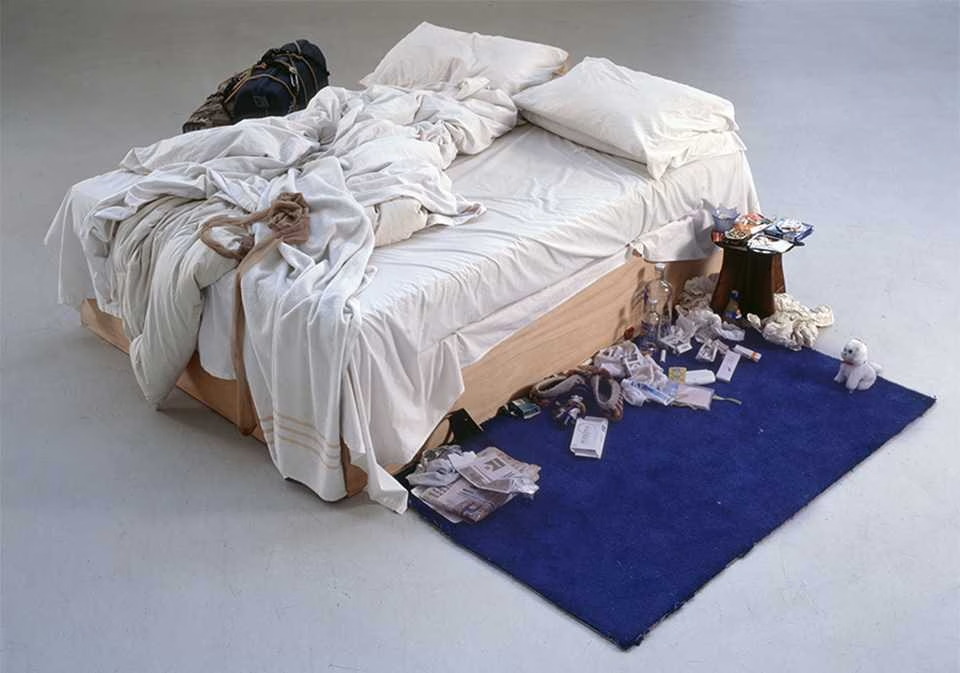
Emin’s practice is recognised as a breaking point in the 1990s, alongside the Young British Artists (YBA) movement, that reduced the distance between art and life to zero. At the heart of the exhibition is My Bed (1998), which sparked deep debates in British cultural history with its Turner Prize nomination, transporting the artist’s personal traumas and physical presence into the gallery space with empirical honesty. However, this exhibition repositions Emin not only as the sensational figure of the 90s but as a master painter and sculptor who converts trauma into a process of healing.
Material Representation and Emotional Resonance
The diversity of media Emin has used throughout her forty-year production documents how feelings are transformed into material forms. The following elements stand out in the exhibition’s curation:
Textiles and Writing: Emin’s characteristic appliqué works etch her personal history into the texture of fabric, creating a space of collective memory.
Neons and Typography: The neon installations constructed in the artist’s own handwriting integrate the emotional violence of language and the fragility of desire with the space.
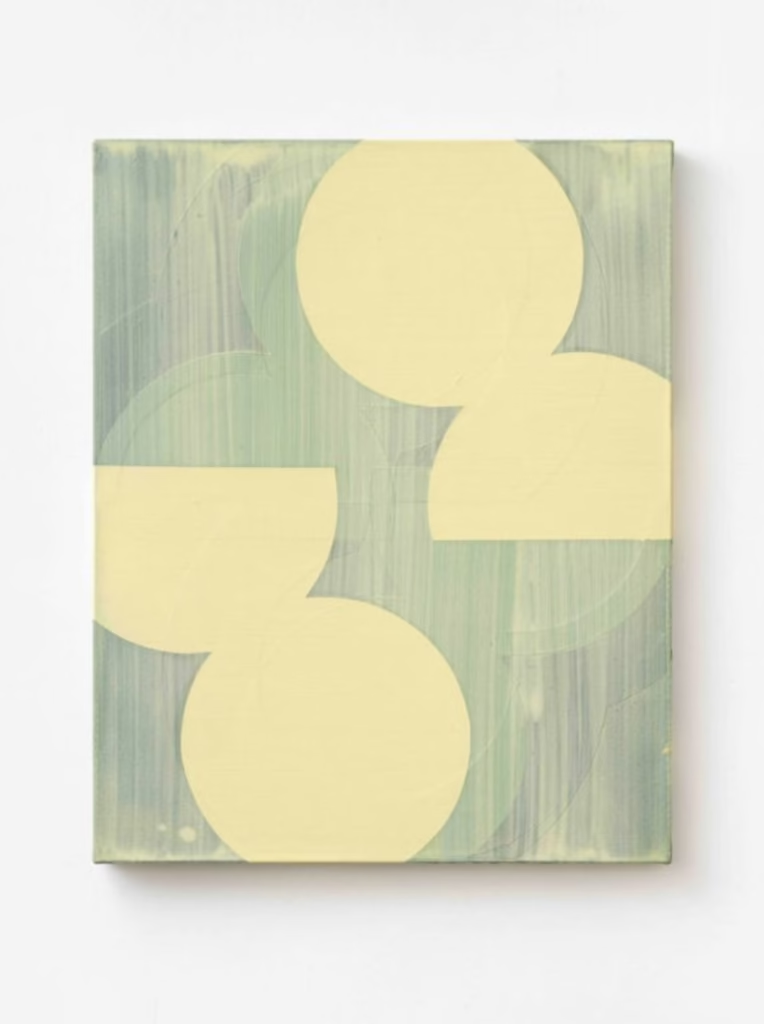
Pictorial Continuity: Her recent paintings are presented as the pinnacle of Emin’s effort to channel life into art. The gestural brushstrokes in these works express the dialectic of the body with pain and passion through lyrical abstraction.
The Politics of the Body and Traumatic Sublimation
Emin uses the female body not merely as an object of representation but as a tool of healing and resistance. The exhibition content addresses heavy themes such as sexual violence, miscarriages, and life-threatening illnesses within the framework of art’s curative power. In this context, the first public presentation of previously unexhibited works offers a methodological examination of the intimate layers in the artist’s creative process.
“Tracey Emin’s art is a document of that risky and honest transition in which subjective experience transforms into a universal human condition.”
Exhibition and Visitor Information
This landmark exhibition, realised in collaboration with Gucci, is planned as one of Tate Modern’s most important annual events.
Dates: 27 February 2026 – 31 August 2026
Venue: Eyal Ofer Galleries, Tate Modern, Bankside, London
Note: As the exhibition content includes references to sensitive topics such as sexual assault, illness, and abortion, visitors are advised to heed the content warning.